Iran's naval commander killed in Israeli strike
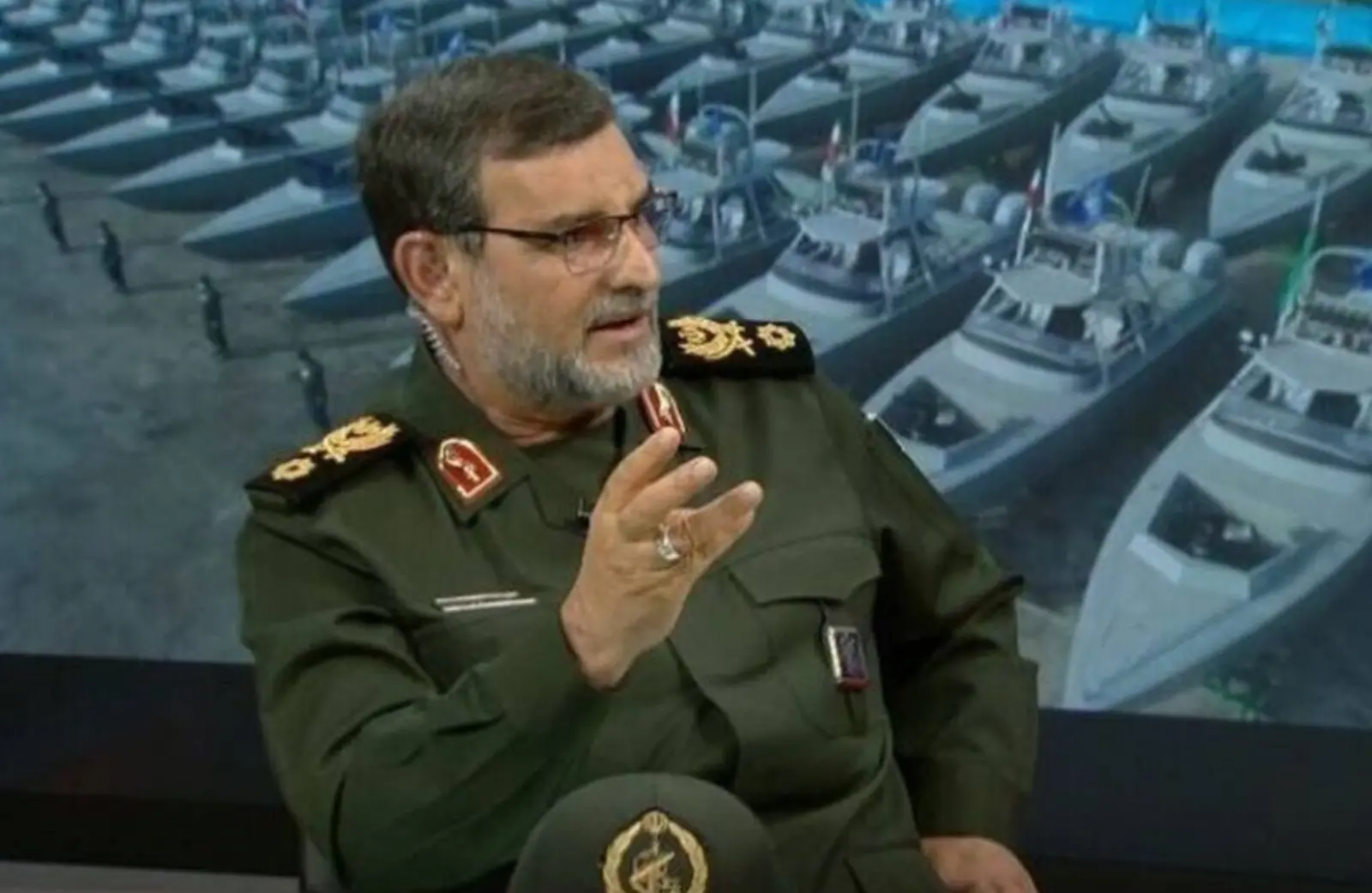
The political and military situation in the Middle East has intensified significantly in recent days. Zamin.uz reports on this matter.
As a result of a precise military strike carried out by Israel, Admiral Alireza Tangrisi, commander of the naval forces of the Islamic Revolutionary Guard Corps (IRGC) of Iran, has passed away. Israeli Defense Minister Israel Katz announced this incident in his official statement.
According to the minister, the deceased admiral was the person who directly commanded operations aimed at mining the Strait of Hormuz and imposing restrictions on international shipping. Therefore, Israel considers this strike not merely as an attack but as a significant operation with strategic objectives.
Israeli military sources report that the high-ranking commander was targeted during a secret meeting held in Bandar Abbas. As a result of a precise and pre-planned attack, he along with several other senior military officials were eliminated.
Israel Katz described this operation as a sharp signal sent to the Islamic Revolutionary Guard Corps, emphasizing that Israeli defense forces are ready to eliminate any threat and consistently destroy enemy forces. It is known that since the end of February, as military pressure from the United States and Israel against Iran intensified, the situation in the region became even more complicated.
The conflict escalated after the strategically important Strait of Hormuz was closed and attacks on ships passing through it began. So far, at least twenty-two ships have been reported to have come under attack.
Currently, nearly 3,200 ships are gathered in the Persian Gulf waiting to cross the strait. This situation could deal a serious blow to global logistics and energy supplies.
The administration of US President Donald Trump is exerting pressure on Iran by issuing an ultimatum demanding the full reopening of the strait. In response, Tehran officials announced on March 25 that the route remains open for ships belonging to non-enemy states.
Experts emphasize that the Strait of Hormuz is of decisive importance for global energy security. This is because nearly 25% of the world's oil reserves and 10% of liquefied gas are transported precisely through this route.
The current situation could have a serious impact not only on the region but also on the stability of the global economy. If tensions escalate further, it is not unlikely to trigger a new wave of crisis in markets worldwide.



![Fransiya Usmonova proposed removing [the name] from the sanctions list](/uploads/mini/web-300/04/e8d7de74763e0760c29bdbfd3d91b77a.webp)