Details of the secret agreement that saved the US and Iran from war
At a time when the world's eyes are focused on the Middle East, the details of a secret agreement that pulled humanity back from the brink of a terrible war have come to light. This was reported by Zamin.uz.
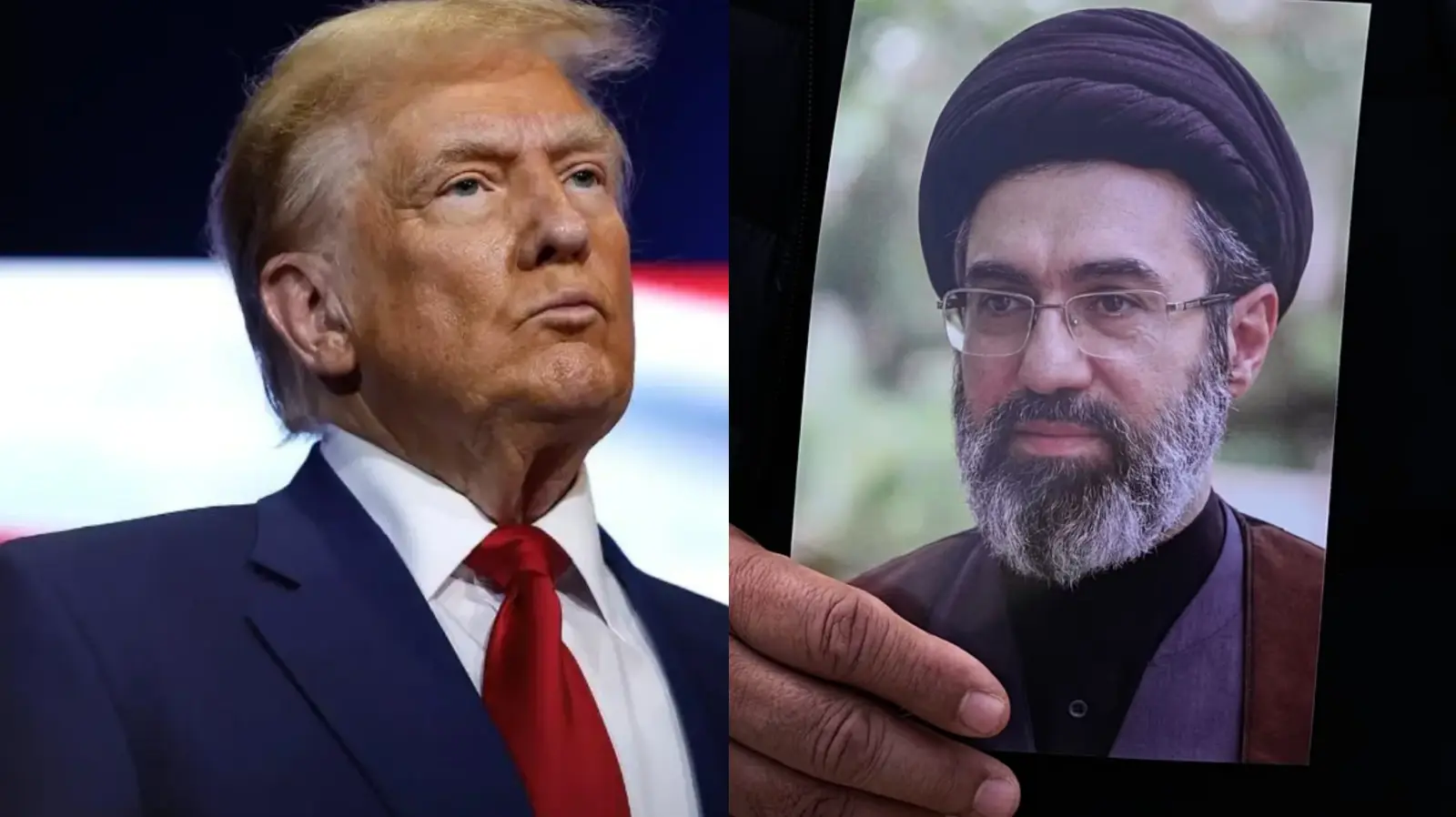
Exclusive information regarding the conditions under which the fragile truce between the US and Iran was signed and who participated in it testifies to how complex the situation was. While Donald Trump was posing a serious threat to the Iranian state, the Pentagon had already been put on standby to carry out airstrikes on Iranian infrastructure.
However, behind the scenes of public statements, an intense diplomatic struggle was underway. Just hours before the deadline set by Trump, an unexpected order was given to the American troops to cancel the attack.
As reported in the international press, a representative of the Iranian leadership, Mojtaba Khamenei, took on a central role in this process for the first time. For security reasons, he conducted the dialogue only in writing through special couriers.
At a time when Western intelligence was claiming that his health was critical, it was Khamenei's consent that proved decisive in achieving the truce. In early April, US special envoy Steve Witkoff had rejected the initial proposals from Iran, bringing negotiations to the point of collapse.
Following that, the foreign ministers of Pakistan, Egypt, and other regional states stepped in to attempt to resolve the disagreements between the two sides. As a result, an updated version of a two-week ceasefire was approved by Washington.
Before Trump's final decision was made, real panic reigned in the White House. Pro-war factions were urging the president to reject the deal.
However, Trump reached out to the Pakistani leadership and agreed to postpone his ultimatum in exchange for the opening of the Strait of Hormuz. Now, the two nations are preparing to begin official dialogue.
In the comprehensive negotiations expected to start in the coming days, the US delegation will be led by Vice President JD Vance. Vance has called this truce very fragile and warned that there are still forces within Iran opposed to the agreement.
Whether the armed conflict in the Middle East has stopped completely or if this is merely the calm before the storm, the results of the upcoming negotiations will show. These processes are of historical significance for regional security and will determine the future geopolitical situation.