



Trump Administration Divides NATO Countries into Three Groups
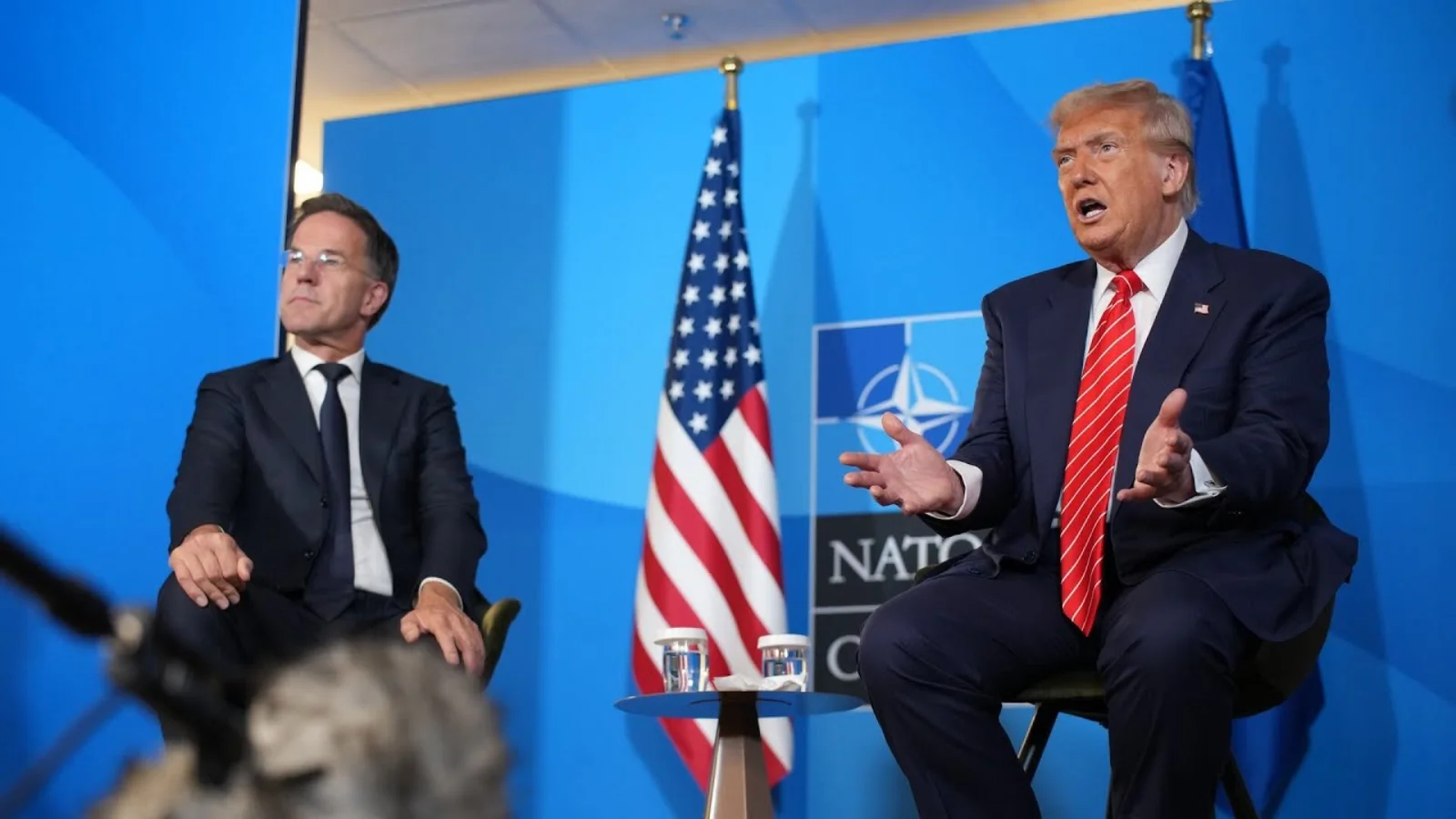
Sensational reports regarding another controversial document have surfaced in the United States. According to Zamin.uz, Donald Trump's administration has prepared a special analytical report categorizing NATO member states into several groups based on their stance toward potential military actions in Iran.
The document provides a detailed study of each ally's contribution to the organization, their military capabilities, and political views. Consequently, the countries have been conditionally divided into three groups, though the specific placement of each nation remains classified.
This information was published by the influential Politico outlet, citing several European diplomats and reliable sources within U.S. military circles.
It is noted that this analytical document was developed on the eve of Mark Rutte's official visit to Washington. Observers believe that the introduction of such a rating system indicates Trump's intent to further strengthen his policy of pressure within the alliance.
In particular, relations with states that do not fully support Washington's foreign policy position could cool significantly. At the same time, diplomatic sources note that no specific punitive measures have yet been outlined for countries with low ratings.
Some experts do not rule out the possibility of withdrawing U.S. troops from certain countries as the most extreme measure.
However, it is argued that such a decision could lead to negative geopolitical consequences for Washington itself. White House officials, while indirectly confirming the existence of the document, stated that the United States is always ready to assist its allies.
Simultaneously, it was openly stated that the passivity of some nations regarding the Iran issue is viewed as an unfair imbalance. NATO leadership has so far refrained from making an official statement on the matter.
Experts conclude that such a policy of segregation could undermine mutual trust within the organization and cast serious doubt on future cooperation. In an era of escalating global geopolitical tensions, such an approach is bound to be a major test for the alliance's unity.