Trump halted Islamabad diplomatic mission for talks with Iran
Political tension in the Middle East has entered a new and even more complex phase. This was reported by Zamin.uz.
US President Donald Trump ordered the suspension of an important diplomatic mission planned in the city of Islamabad due to Iranian officials' refusal to comply with strict demands. This decision is another sharp turn in world politics, behind which lie serious geopolitical reasons and a clash of interests.
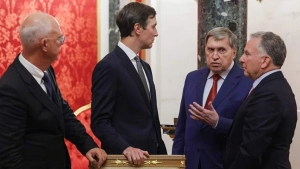
According to initial plans, the Washington administration was supposed to send special envoy Steve Witkoff and presidential adviser Jared Kushner to the capital of Pakistan to establish dialogue with Tehran and ease existing tensions. This meeting, expected to take place with the mediation of the Islamabad government, could have been an important step on the path to establishing peace in the region.
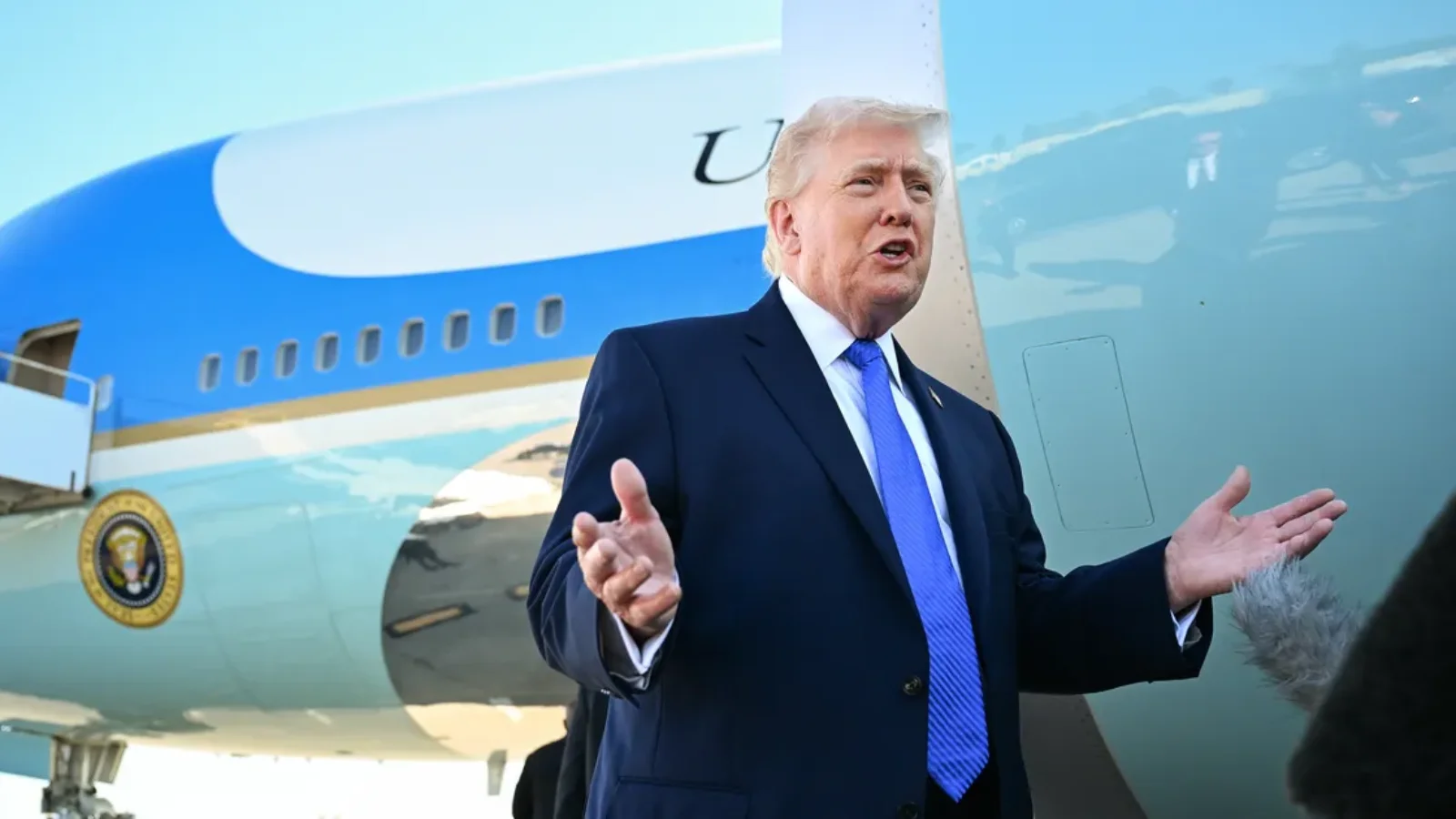
However, the Iranian delegation, after meeting with Pakistani leadership, sharply stated that they would by no means comply with the United States' excessive demands and left the negotiation venue. American leader Donald Trump expressed his attitude toward this situation through his page on social networks and sharply criticized the position of the Iranian leadership.
In his opinion, internal disorder currently reigns in Tehran's political circles, and it is unclear who makes final decisions in the state. Trump emphasized that too much time and effort were spent on the diplomatic trip, but the Iranian side turned out to be unprepared for dialogue.
The US President in his statement noted that all the advantages are on Washington's side, and if Iran really wants to come to an agreement, it is enough to simply contact by telephone. Currently, a short-term truce is in effect between the two states following clashes that began at the end of February.
Despite this, the situation is further complicated by ongoing clashes in the region. The Iranian side has set the condition that these attacks must completely stop before any serious negotiations.
According to US Department of Defense representatives, if Iran abandons its intentions regarding its nuclear programs, the possibility of reaching mutually beneficial agreements still exists. However, so far it is evident that neither side intends to back down from its position.
How these political confrontations will affect the world economy and the international security system in the future will largely depend on the diplomatic flexibility of the parties. The world community, in turn, continues to closely monitor these processes.