



The internet system was restored after 88 days of shutdown
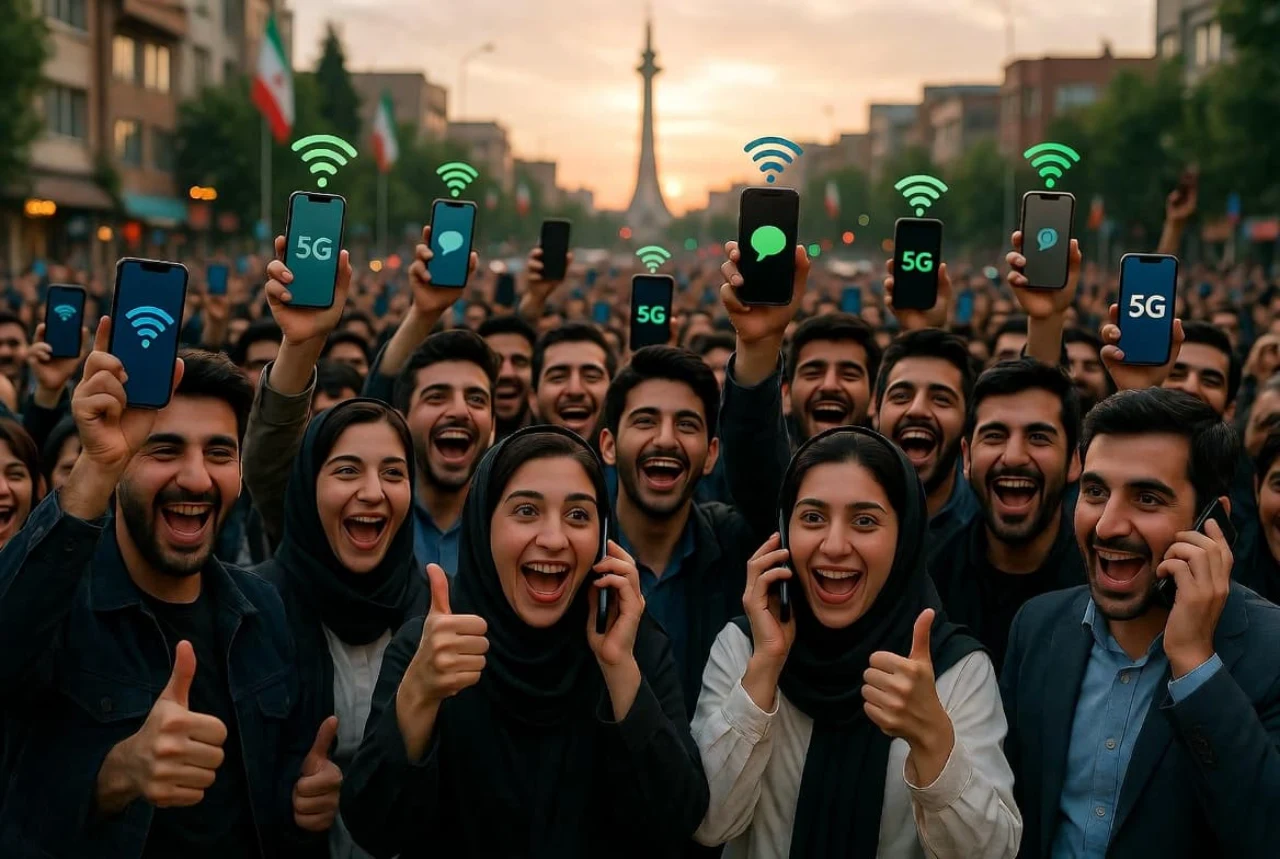
An unprecedented and, in every sense, ominous event in human history and the modern digital world has come to an end. Zamin.uz reported on this.
According to an official statement from NetBlocks, a prestigious international monitoring organization that tracks global network issues, social networks and the internet system were partially restored across Iran on May 26 of this year. For 88 days—exactly 2,093 hours—the people of Iran remained in digital darkness, completely cut off from the outside world.
According to analysts, this has been recorded as the longest and largest national network shutdown in the history of the modern world. The actual political factors behind these restrictions, the terrible economic losses under the shadow of war, and the painful expressions of the Iranian population, who were left in shock after the network returned, prompt deep reflection.
The disruption of digital communication in Iran began on January 8 of this year against the backdrop of large-scale mass protests against government policy. After a few weeks, communication seemed to improve slightly, but after the United States and Israel launched direct military attacks on Iranian territory on February 28, official Tehran completely locked down the internet again under the pretext of security.
The main factor that forced the government to retreat from this decision and partially restore communication is the economic crisis, which worsened due to the war. According to an April report by Afshin Kolahi, a representative of the Iran Chamber of Commerce and Industry, the country's economy lost approximately 70-80 million dollars per day due to the lack of internet.
Furthermore, since the daily income and profession of nearly 10 million of the country's 90 million inhabitants are directly linked to the internet, the risk of unemployment increased sharply. During the block, online commerce on social networks completely collapsed.
It was impossible to find satellite-based devices to access the network, and the prices of programs used to bypass restrictions became unimaginably expensive. Worst of all, using them carried the risk of imprisonment.
The partial return of the network was met with mixed emotions by the country's population. Some view it as an escape from long-term captivity.
According to opinions of people reflected in the international press, many feel this situation as a true liberation. However, feelings of grief and anger are also strong among many.
Some citizens are sharply condemning the government's actions, emphasizing that the internet is a basic human right and that they remained unemployed and without income for a long time. Currently, some popular messengers and websites remain closed, which indicates that the mood of discontent among the population has not fully subsided.



![Fransiya Usmonova proposed removing [the name] from the sanctions list](/uploads/mini/web-300/04/e8d7de74763e0760c29bdbfd3d91b77a.webp)