US military forces struck strategic targets in Iran
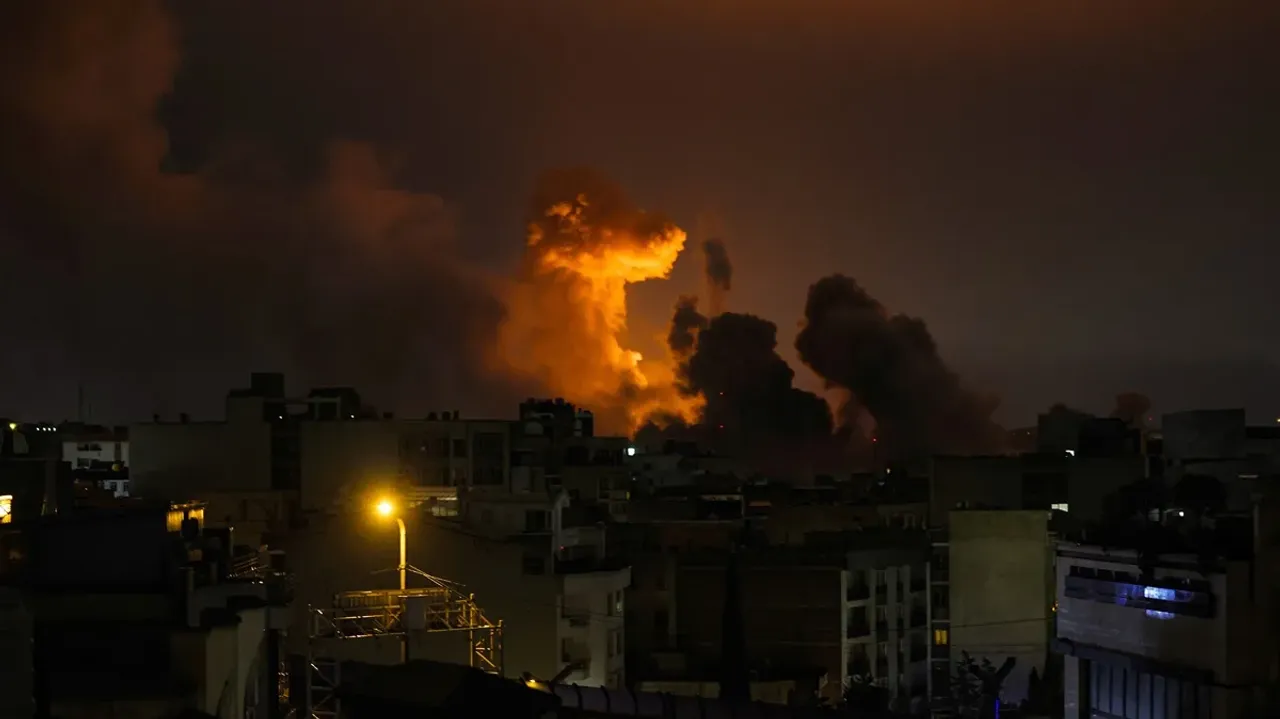
The United States Armed Forces delivered powerful strikes against more than 80 major military targets in Iran, according to Zamin.uz.
Official Washington described this sharp move as a decisive response to attacks by Iran on international trade vessels in the Strait of Hormuz. After analyzing the situation in the region, we present the most important details of this military operation.
According to official information from the U.S. Central Command, during the extensive military operation, serious blows were dealt to Iran's defense capabilities, significantly weakening them. Among the strategic objects successfully hit were air defense systems, missile complexes designed to target ships, and radar stations along the coast.
Additionally, more than 60 fast military boats belonging to the Islamic Revolutionary Guard Corps were destroyed. Alongside military actions, the White House also raised economic pressure on Tehran to the highest level.
Following incidents in the Strait of Hormuz, the U.S. administration revoked a special license that had permitted the sale of Iranian oil on the international market. This is expected to create additional difficulties for Iran's economy.
Official Tehran characterizes Washington's actions as a gross violation of the temporary agreements reached in June and the procedure for easing sanctions. The Islamic Revolutionary Guard Corps announced in its statement that retaliatory strikes had been carried out against several U.S. military bases in the Middle East.
Tehran emphasizes that it will respond very decisively to such aggressive actions by Washington. Influential international publications quote U.S. officials as saying that Iran's actions in the strait are absolutely unacceptable.
Nevertheless, the White House indicated that it does not intend to completely close the door to diplomatic talks with Tehran. However, the current situation could completely nullify the temporary peace agreement reached in June.
Economic analysts warn that military actions in the Strait of Hormuz could cause major disruptions to international maritime trade. In the energy sector, escalating tensions are expected to lead to a sharp rise in global oil prices.
Observers and international political experts emphasize that this confrontation poses a serious challenge not only to the Middle East region but also to the entire global security system and international trade relations. Further escalation of the situation in the region could have a negative impact on the world economy.