



Bosch signs long-term contract for Mercedes-Benz electric vehicles
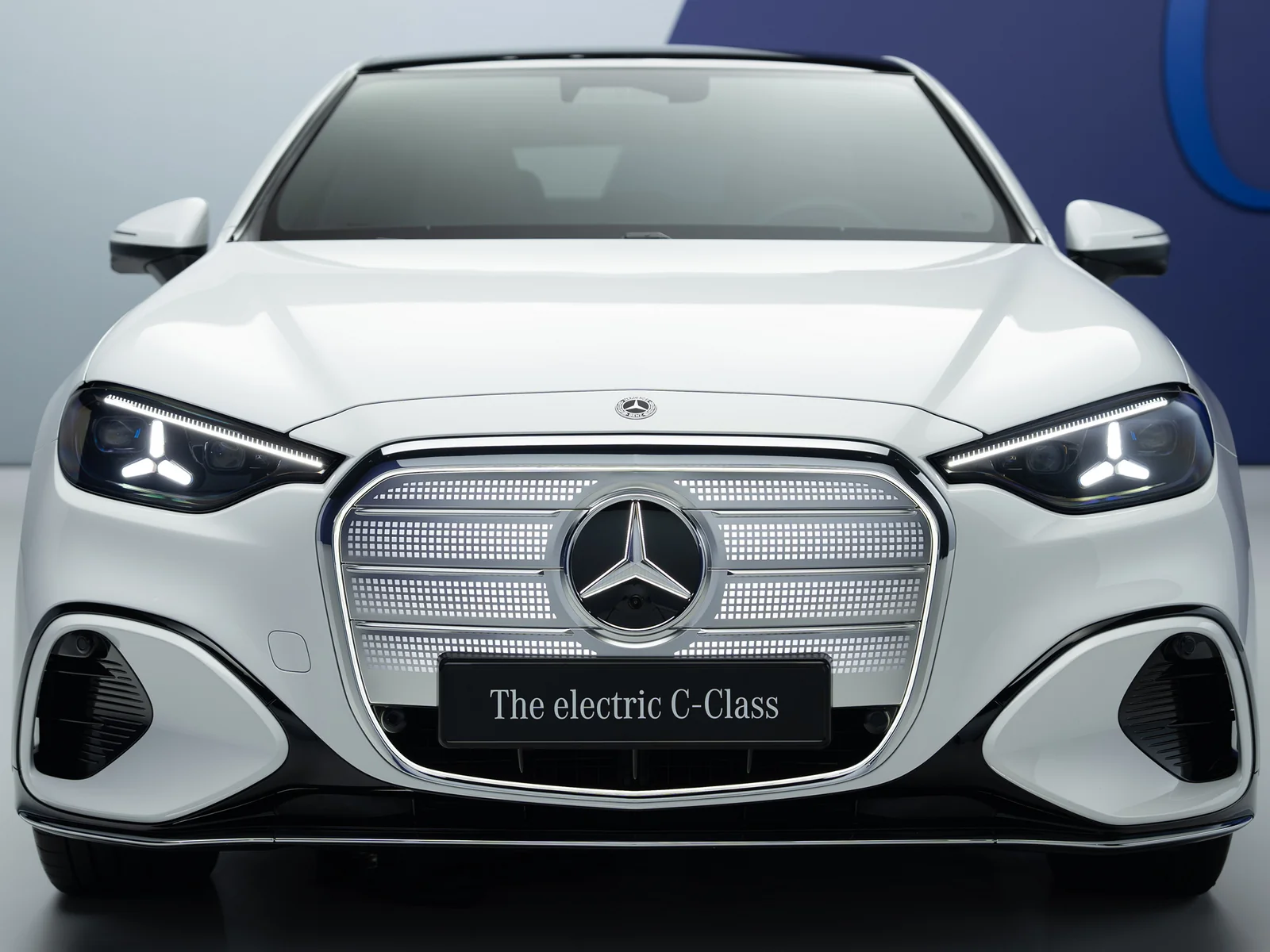
Bosch has signed a long-term agreement with Mercedes-Benz, one of Germany’s most renowned automobile manufacturers, to supply electric motors for a new generation of electric vehicles. This was reported by Zamin.uz.
The agreement is expected to remain in force at least until the mid-2030s. Under this partnership, the motors produced will be installed not only in mass-market models but also in premium electric vehicles of higher classes.
For Bosch, this deal holds significant strategic importance in ensuring the company’s financial stability, as recent periods have seen declining profits and workforce reductions at the plant.
The key technical advantage of the new generation of electric motors lies in their high efficiency. According to engineers, the useful work coefficient of these devices reaches 98 percent.
To achieve such a high performance indicator, the worm gear design was fundamentally revised, and a liquid cooling system was implemented for the rotor.
The liquid cooling method enables more effective heat dissipation compared to traditional approaches. As a result, engineers succeeded in reducing the motor’s size, increasing its power output, and sharply decreasing energy losses.
This, in turn, ensures that electric vehicles can travel longer distances on a single charge. Another important innovation within the project relates to modular architecture.
Bosch specialists have developed a universal platform that can be easily adapted to various types of vehicles, transmissions, and axle configurations. For Mercedes-Benz and other automakers, this technology greatly simplifies the process of assembling components.
It also helps significantly reduce the costs associated with designing and producing new models.
Currently, Bosch plants produce approximately seven electric motors every minute.
The company plans to increase the production capacity of components for electric vehicles at accelerated rates. According to the stated goals, by 2026, the annual output of parts intended for electric transmissions is expected to grow to seven million units.
This step aims to strengthen Bosch’s leading position in the market amid rising global demand for electric vehicles.