




Zoox unveils production-ready version of its robotaxi
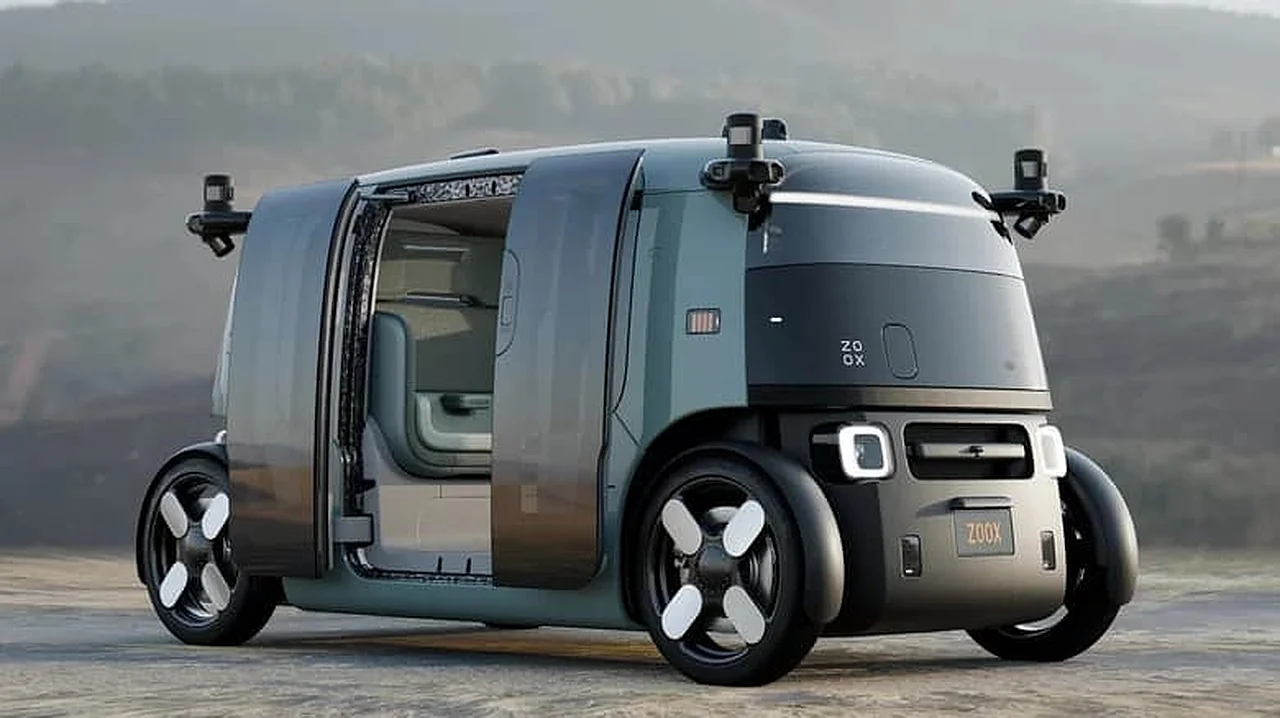
Zoox, a startup owned by Amazon, has unveiled the final version of its driverless robotaxi, designed for mass production. This was reported by Zamin.uz.
This updated model is not only technologically refined but also prepared for full integration into urban infrastructure. This step marks a crucial turning point in transitioning autonomous vehicles from the experimental phase to large-scale real-world service.
According to Ixbt.com, while the exterior of the new vehicle resembles the prototype shown in 2020, its internal systems and external signaling have been completely redesigned. Due to the vehicle’s symmetrical, box-like shape, distinguishing the front from the rear was previously difficult.
Now, a special lighting system uses colored indicators to clearly show other drivers and pedestrians which direction the vehicle is moving. For passenger comfort and safety, Zoox engineers significantly updated the cabin interior based on user feedback.
Inside, soft green-colored seats and light gray stone-textured flooring have been installed. Ergonomics have been improved, and handrails have been redesigned.
The touchscreen in the center of the cabin is now brighter and more contrasted, making it easier for passengers to monitor information during the ride. One of the vehicle’s distinctive features is its two-way communication system.
Thanks to dynamic speakers and microphones installed at the doors, passengers or people outside can directly communicate with Zoox support center operators or emergency services. This ensures transparency and safety of driverless transport in unexpected situations.
The company plans to launch production at its factory in Hayward, California. According to Zoox, the facility has the capacity to produce up to 100 robotaxis per week.
To sharply increase service availability this year, the company is building a reliable supply chain. Currently, these vehicles undergoing trials on the streets of Las Vegas are being gradually added to the general fleet.
This project could serve as an interesting experience for countries like Uzbekistan that are modernizing public transport. Zoox has created an entirely new urban mobility platform from scratch, without adapting traditional cars.
In it, four passengers sit face to face, turning the ride into a conversation in a small autonomous carriage. In summary, Zoox is no longer just a technological experiment—it is evolving into a real business model.
The main focus has shifted from driving algorithms to the mass production of this complex system and its safe integration into urban life.
