




Automobile manufacturers began to use cheap aluminum instead of steel
In the global automotive industry, the sharp rise in raw material prices is forcing manufacturers to seek serious alternatives. This was reported by Zamin.uz.
In recent years, the unprecedented increase in copper prices has led major companies such as Ferrari, BMW, and Tesla to begin shifting from traditional copper to aluminum for their electric conductors. This new trend is not only reducing costs but also playing an important role in lightening the weight of modern electric vehicles.
According to data from international information agencies, while one ton of copper has approached a record level of nearly $15,000 at the beginning of this year, the price of aluminum remains relatively stable at around $3,100 per ton. Such a significant difference has turned this shift into one of the most effective ways for automakers to reduce production costs.
According to analysts' forecasts, by 2026, this change is expected to reduce global demand for copper by 2 percent, and by 2030, by as much as 6 percent. Among premium brands and new technologies, Italy's Ferrari company began using aluminum power cables in its 296 GTB hybrid sports car as early as 2025.
Later, this technology was applied to other models in the brand's lineup, including its first fully electric vehicles. Company specialists emphasize that this change has made it possible to reduce the total weight of electrical wiring by nearly 20 percent.
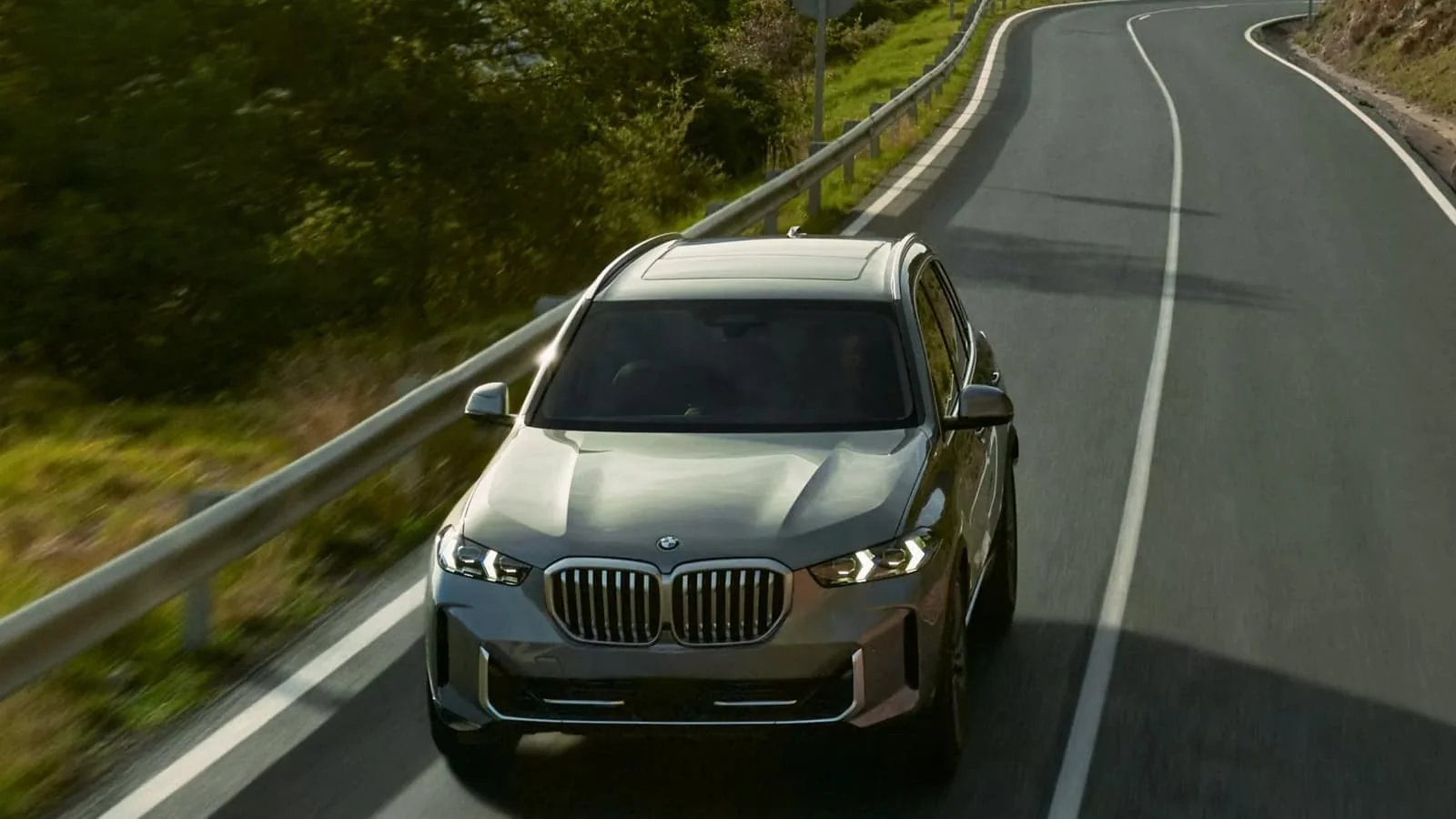
Germany's BMW Group is also among the pioneers in this shift. The company has been using aluminum conductors for over a decade, starting from its 2011 models.
Today, many hybrid and electric models are equipped precisely with aluminum cables. Furthermore, the new generation of Chinese electric vehicle brands is also widely adopting this solution in their products.
Although aluminum is economically advantageous, it does have its own technical characteristics. As specialists explain, aluminum conducts electricity less efficiently than copper.
Therefore, to transmit the same power, aluminum wires must have a larger cross-section. Additionally, the production process of aluminum requires more energy compared to copper.
Despite this, industry experts emphasize that the transition to aluminum is irreversible. Reports indicate that other major global conglomerates have already begun shifting to this material.
In the Uzbek market, where electric vehicles are becoming increasingly widespread, this technological shift aimed at reducing vehicle production costs worldwide could contribute to stabilizing car prices in the future. In conclusion, the transformation of copper into an expensive metal is stimulating new engineering solutions in the automotive industry.
