



Corporations are facing significant challenges in the process of charging electric vehicles.
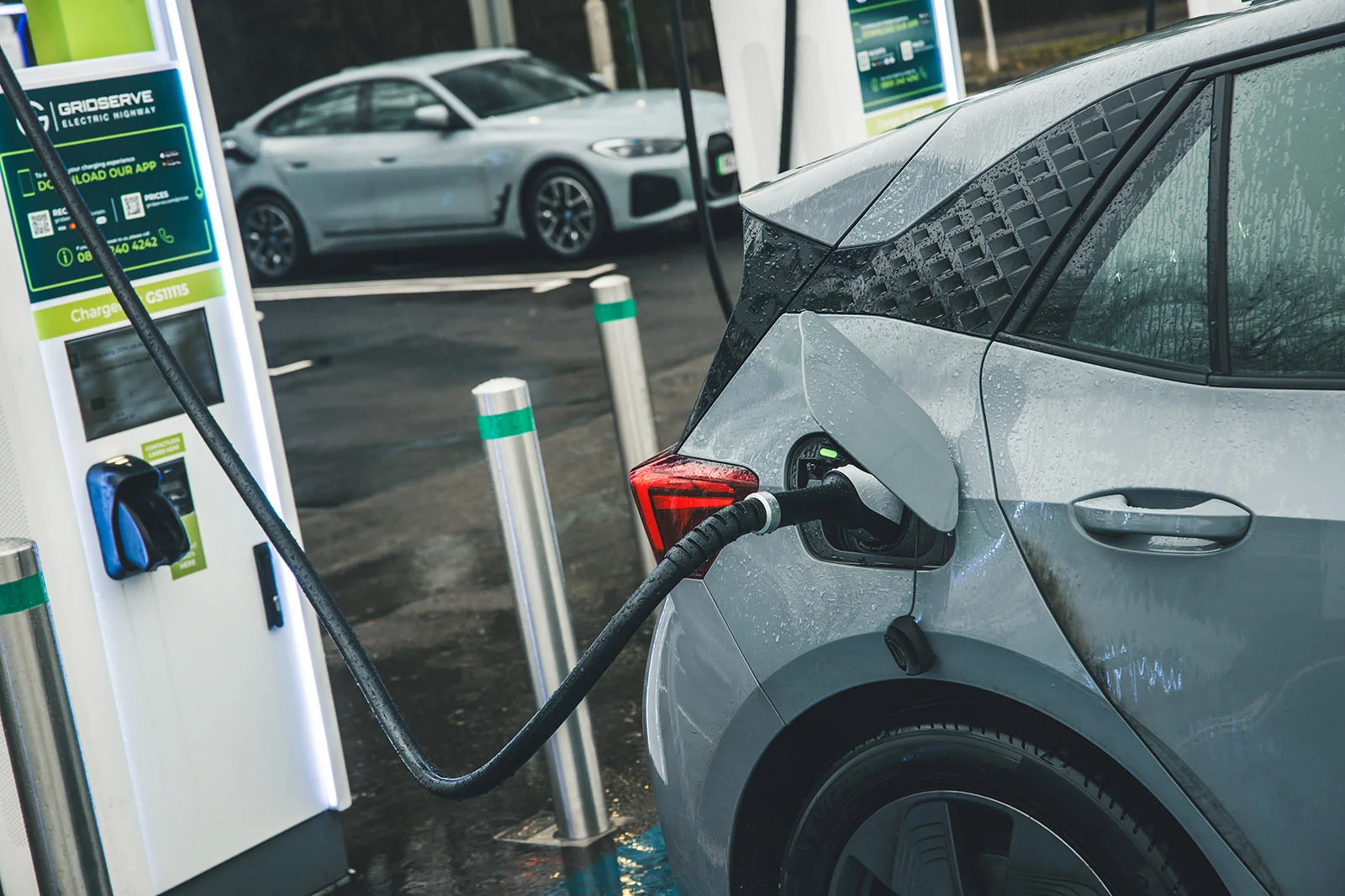
The use of electric vehicles is becoming a widespread trend in the global market, yet corporations are facing serious challenges in managing the electrification of their fleets. This was reported by Zamin.uz.
According to warnings from ChargePoint specialists, today's main issue is not the technical capabilities of electric vehicles, but rather the complexity and cost of managing the charging process. This information was highlighted in recent materials published by Autocar.
In an interview, ChargePoint representative Ore Oluwatudimu emphasized that tracking thousands of charging sessions for corporate clients—whether at home, at work, or in public networks—is becoming increasingly difficult. Determining who used how much energy and where, as well as harmonizing various tariffs and payment systems into a single format, has become a strategic challenge for companies.
The choice of charging location directly affects the overall cost of vehicle ownership. For example, in the UK, charging at home overnight can cost as little as 7 pence per kWh, while fast DC charging at public locations can reach up to 92 pence per kWh.
This represents nearly a 13-fold difference. Such price variation can shift the cost of driving one mile in an electric vehicle like the Volkswagen ID 3 Pro Match from 2 pence to 23 pence.
For comparison, when compared to the gasoline-powered Volkswagen Golf eTSI model, if a significant portion of energy is drawn from expensive DC stations, the conventional fuel vehicle may actually prove more economical. As a result, companies are now focusing not just on purchasing electric vehicles, but on identifying the most efficient charging points.
Currently, data-driven strategies are taking center stage for fleet operators. ChargePoint is shifting its focus toward delivering software solutions and hardware tailored for business clients.
Their new driver management system automatically calculates energy costs incurred by drivers at home or on the road and provides a unified report to company managers. Additionally, technological solutions such as digital platforms that manage dynamic load balancing, reduce energy loss, and automate cost consolidation are being deployed to cut expenses.
In the context of Uzbekistan, where electric vehicles are gradually becoming more widespread, such a systematic approach is crucial for corporate clients and logistics companies. Given the diversity of electricity tariffs and ongoing infrastructure development, proper planning of charging is becoming a key factor influencing business efficiency.