



Kia company has set an absolute record in U.S. market sales
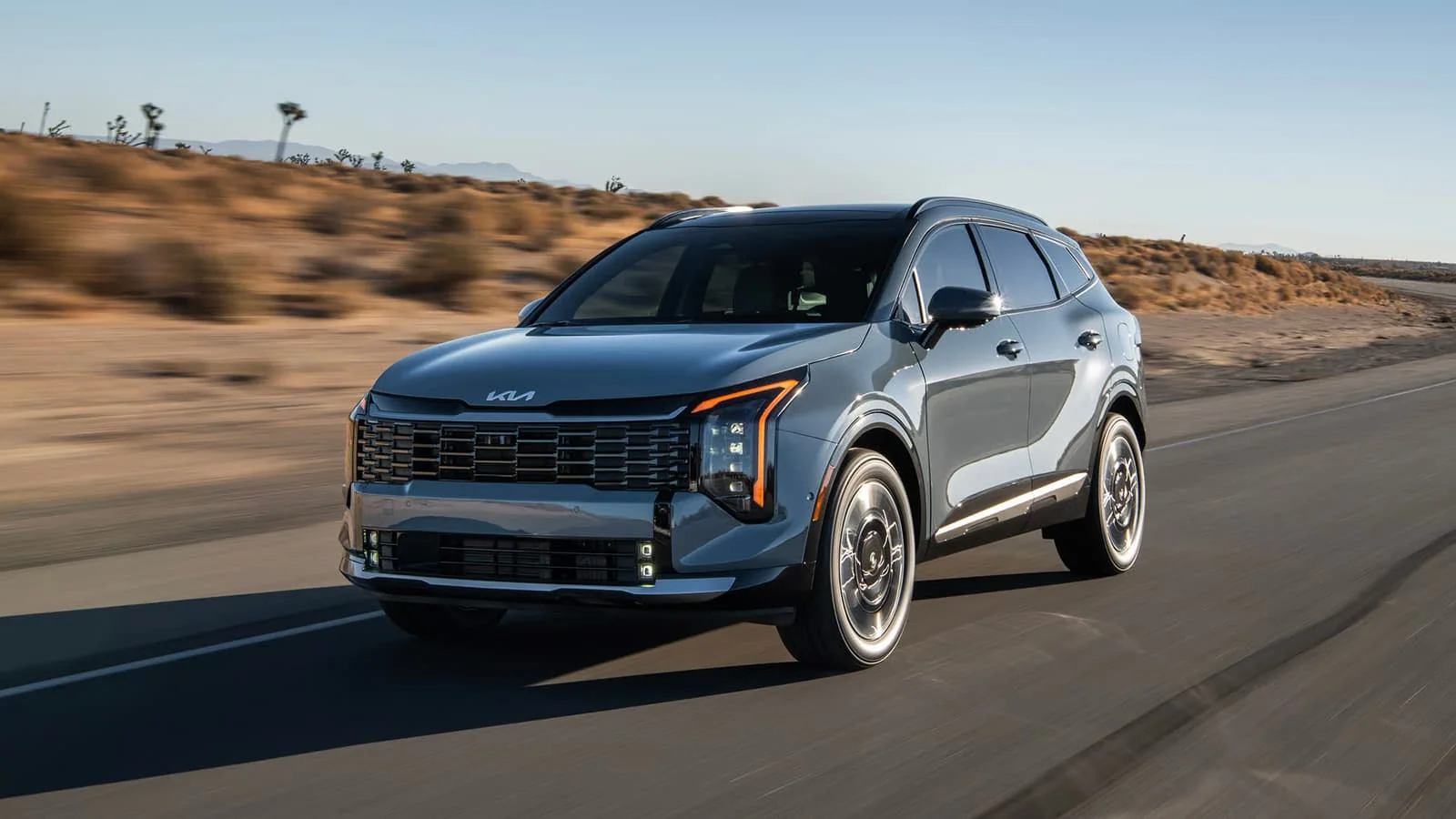
South Korea's Kia automotive group is experiencing its most successful period in history in the United States market, according to Zamin.uz.
The company set absolute records in sales figures for June and the first half of the current year. According to data, the brand's success in the U.S. is primarily due to hybrid crossovers.
In June alone, Kia sold 70,507 vehicles in the U.S., the highest monthly result in the brand's entire history. Sales for the first six months of the year also reached record levels.
Dealers delivered a total of 430,727 vehicles to customers, indicating that the Kia brand is strengthening its position in the North American market.
The main driver of this growth has been hybrid models. Compared to June last year, hybrid vehicle sales increased by a staggering 187 percent.
Specifically, sales of the Sportage Hybrid rose by 165 percent, the Sorento Hybrid by 145 percent, and the Carnival Hybrid by 54 percent. Given the growing interest in Kia models in the Uzbek market as well, this situation in the U.S. reflects a rising global demand for hybrid and fuel-efficient vehicles.
The Sportage model sold 15,995 units in June, maintaining its position as the brand's best-selling vehicle. The second place in sales is held by the updated Telluride crossover.
The K4 sedan completes the strong trio. Although sales of this model have slightly decreased compared to last year, it remains among the leaders.
The mid-size K5 sedan also showed significant growth, finding many buyers. In the electric vehicle segment, the situation varies.
While demand for the compact EV6 model has slightly declined, sales of the brand's flagship electric crossover, the EV9, increased by more than 42 percent. This confirms growing consumer interest in larger and more spacious electric vehicles.
Based on half-year results, the Sportage model remains Kia's absolute leader in the U.S., followed by the Telluride, K4, Sorento, and Carnival models.
Experts believe that Kia continues to challenge traditional leaders—local and Japanese brands—in the American market through its aggressive pricing policy and modern design.