


The construction materials industry in Uzbekistan is on the rise
Ten years ago, if we wanted to build a house, we could only find basic local materials like sand, gravel, ordinary brick, or asbestos. This was reported by Zamin.uz.
The majority of high-quality materials that ensured a beautiful and durable home were imported. Today, however, the situation has completely changed.
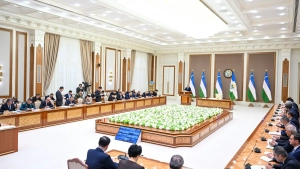
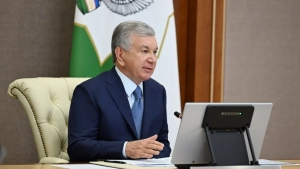
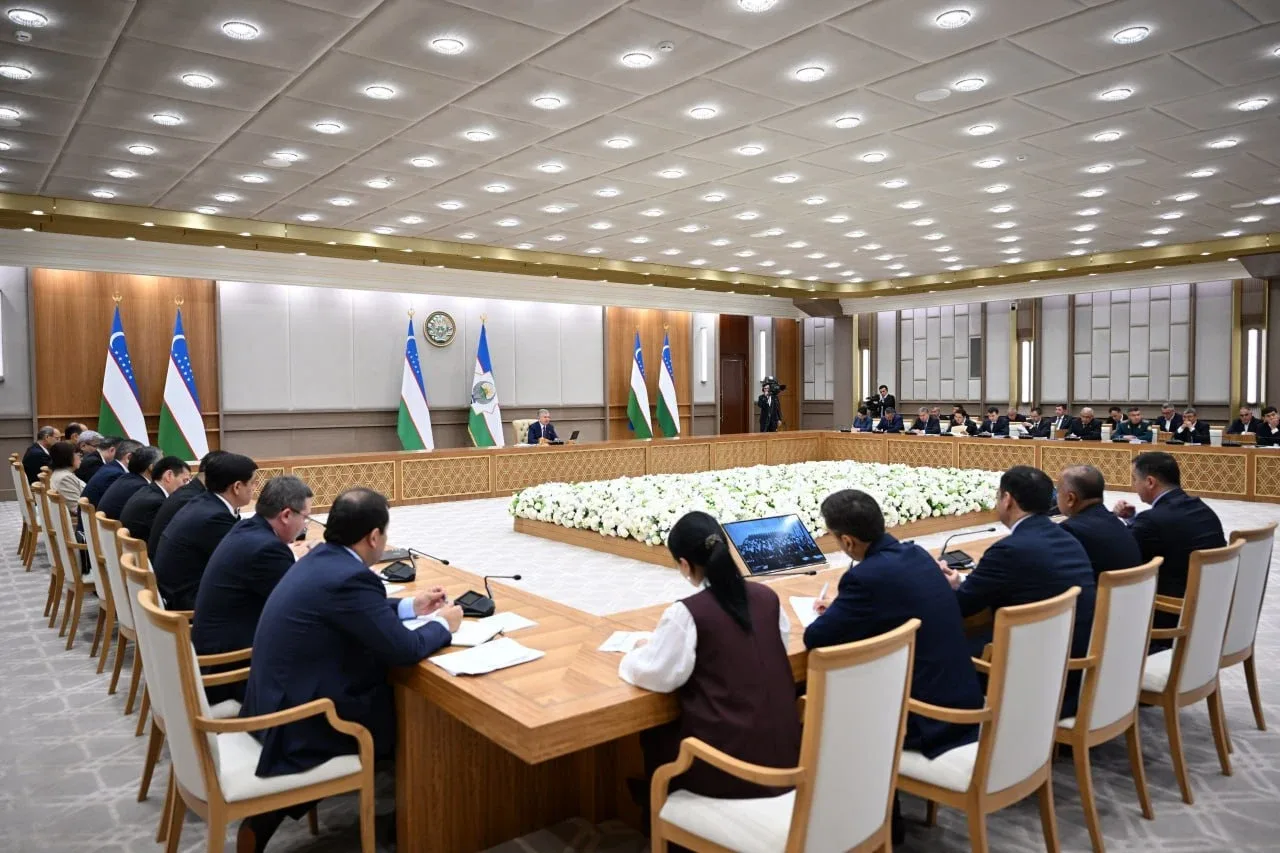
At a video conference on the construction materials industry held under the leadership of President Shavkat Mirziyoyev, the past shortcomings, current achievements, and ambitious future plans of our country’s construction materials sector were discussed. A major leap forward: what has changed in ten years?
Over the past decade, $12 billion in cash investment has been poured into this sector, and more than 4,000 modern enterprises have been launched. As a result, we are not only self-sufficient in cement and glass, but we have also begun producing high-tech products domestically—such as basalt, gas blocks, composites, and eco-friendly finishing materials.
See the difference in the indicators for yourself. Domestic market saturation: whereas ten years ago it accounted for only 35–40 percent, today it reaches 98 percent.
This includes new residential and industrial buildings. Production volume: whereas ten years ago it was 7 trillion soums, today it stands at 53 trillion soums.
Export volume: whereas ten years ago it was negligible, today it has reached $1.2 billion. Future plans are truly grand.
Annual plans call for the construction of 280,000 apartments and new housing complexes. Construction rates are not slowing down—they are accelerating.
According to the program adopted at the beginning of the year, very ambitious targets have been set. By 2040, the number of housing units built annually will double, reaching 280,000 per year.
The number of New Uzbekistan housing complexes will nearly double, increasing from 61 to 120. Each year, 20–25 million square meters of commercial real estate will be put into operation.
This will create a steady annual demand of at least $10 billion in the construction materials market. Grandiose projects will serve as both a test and an opportunity for local products.
The infrastructure projects presented at the recent Tashkent International Investment Forum, with a total value of $27 billion, are becoming a real opportunity for our domestic manufacturers. In the coming years, our country will see the construction of mega-projects such as the Jizzakh Nuclear Power Plant, the New Tashkent International Airport, a modern football stadium in New Tashkent, and the Tashkent–Samarkand automobile highway.
For such large and strategic facilities, ordinary materials won’t suffice—high-quality, internationally certified construction materials are required. In this regard, the Head of State has tasked officials with efficiently linking major construction projects with local producers, and implementing a new system to monitor product quality and standards.
In short, in the near future, the grand stadiums, roads, and airports that will become new symbols of our country will be built by our own workers using materials produced domestically.