


Google AI researchers are running out of resources
Over the past decade, Google has successfully built one of the world’s largest infrastructure systems in the field of artificial intelligence, according to Zamin.uz.
The company has established a profitable business in cloud technologies, developed its own specialized processors, and secured leading positions in the global market. However, this financial success has brought unexpected internal challenges for Alphabet Holding.
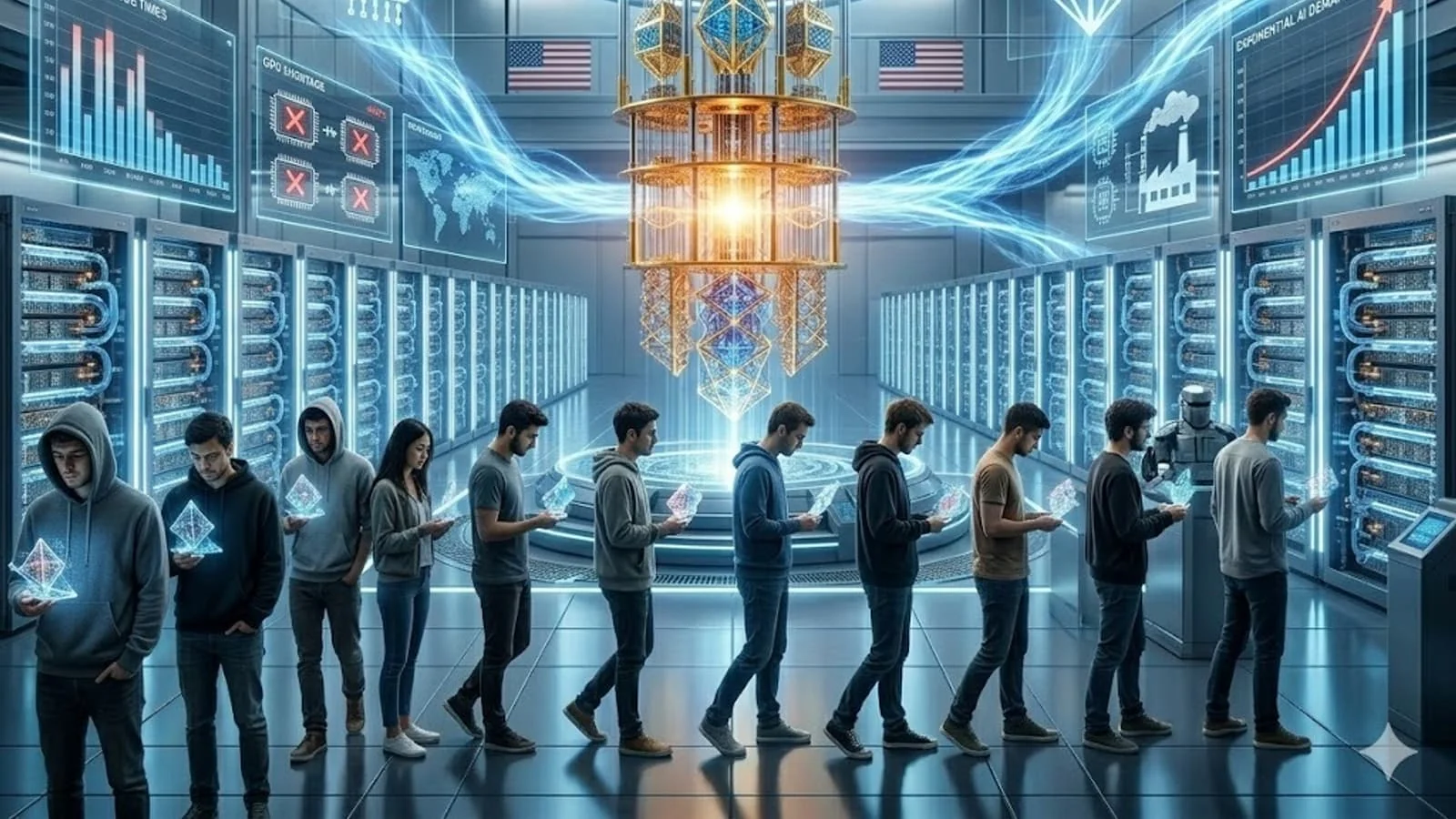
The current situation is seriously affecting the company’s scientific capabilities. According to influential publications, leading researchers from Google DeepMind are now forced to wait in long queues to access computing power.
What is particularly striking is that these technical resources are being allocated not to the company’s own employees, but to external clients and major competitors. For example, Google’s leadership has signed multi-year agreements with companies like Anthropic, granting them access to massive amounts of electrical power and next-generation chips.
Such significant commercial obligations have led to the full utilization of all available capacity in data centers. As a result, internal teams working on advanced models like Gemini are now forced to wait weeks or even months to run their experiments.
Experts say this imbalance creates a double-edged blow. On one hand, global shortages of memory chips are being observed; on the other, the misallocation of existing resources is significantly slowing down the pace of scientific research.
In recent years, Alphabet Holding has planned to invest nearly two hundred billion dollars in infrastructure development. Yet, despite this, market demand for artificial intelligence is growing faster than the supply of available capabilities.
While the company’s strategy of producing its own chips has proven economically sound, it now appears unable to simultaneously serve competitors and sustain its own scientific exploration. This strict limitation of technical resources has caused serious divisions within the scientific community.
In recent months, several prominent scientists and experienced engineers from the DeepMind laboratory have left their positions precisely due to insufficient access to computing power. This situation could jeopardize the company’s future technological leadership.
The growing imbalance between financial priorities and scientific advancement is driving away even the most talented specialists.