The US has started operating a nuclear reactor core controlled by artificial intelligence
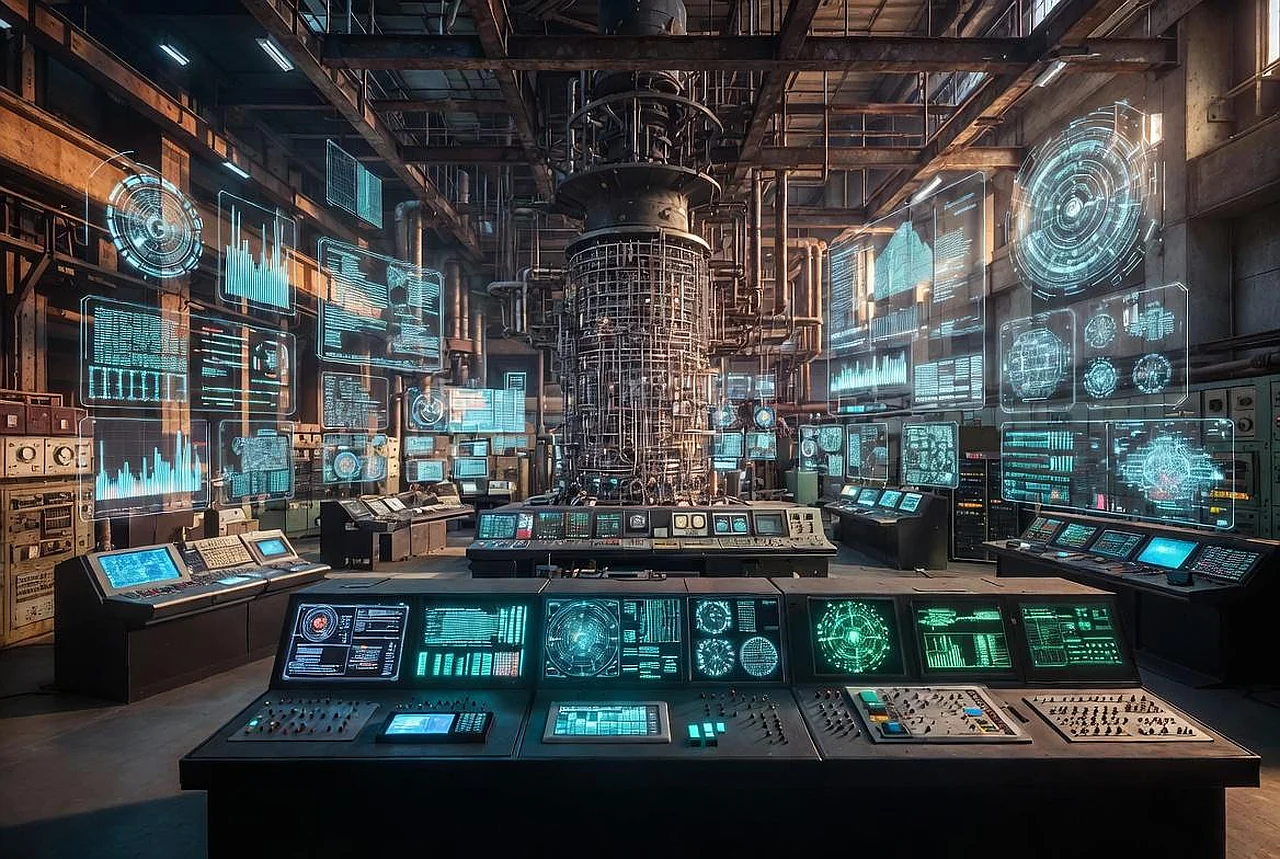
Engineers at Purdue University in the U.S. state of Indiana have taken a significant step in the energy sector, according to Zamin.uz.
For the first time in the country's history, testing has begun on artificial intelligence, digital control, and cybersecurity technologies based on an operational nuclear reactor. The main goal of the project is to fully automate the nuclear energy sector in the future and elevate safety systems to an entirely new level.
This development is being reported by international technology publications. For the research, the university's dedicated research reactor was selected.
It is important to note that this facility is not designed to generate electricity for residential or industrial use. Instead, it serves scientific purposes, training specialists, and testing new technological solutions in practice.
This particular reactor previously made history as the first in the United States to receive a license to operate with fully digital control and safety systems—a milestone achieved several years ago. According to scientists, testing AI capabilities on an actual nuclear reactor operating in real time is far more important than relying on simple computer models.
This approach allows for precise and error-free evaluation of how software behaves under unexpected malfunctions or non-standard conditions. The project aims to reduce human-related errors in nuclear plant management and maximize the efficiency of all technical stages.
The rapid advancement of digital technologies will serve as a solid foundation for the era of small modular reactors and microreactors currently being actively promoted in the U.S. Such compact installations are seen as the preferred solution for providing continuous energy to remote areas, large industrial facilities, military sites, and data processing centers.
The digitalization of systems is expected to fundamentally transform the approach to nuclear energy. In the future, a single specialist could monitor multiple reactors located hundreds or even thousands of kilometers away simultaneously from a distance.
This would significantly reduce the operational costs of power plants. The U.S. Department of Energy is supporting such initiatives across the board.
According to plans, the first microreactors should be launched in the coming years. However, before they can be deployed on a large scale, it must be proven in practice that digital control systems are absolutely reliable and safe.
It is worth noting that the research reactor in question was built in the 1960s and is currently the only operational nuclear facility in the state. The fact that this installation, with over half a century of history, has now become a testing ground for cutting-edge digital technologies and artificial intelligence demonstrates how rapidly the field is evolving.