


SpaceX conducts next test of next-generation Starship rocket
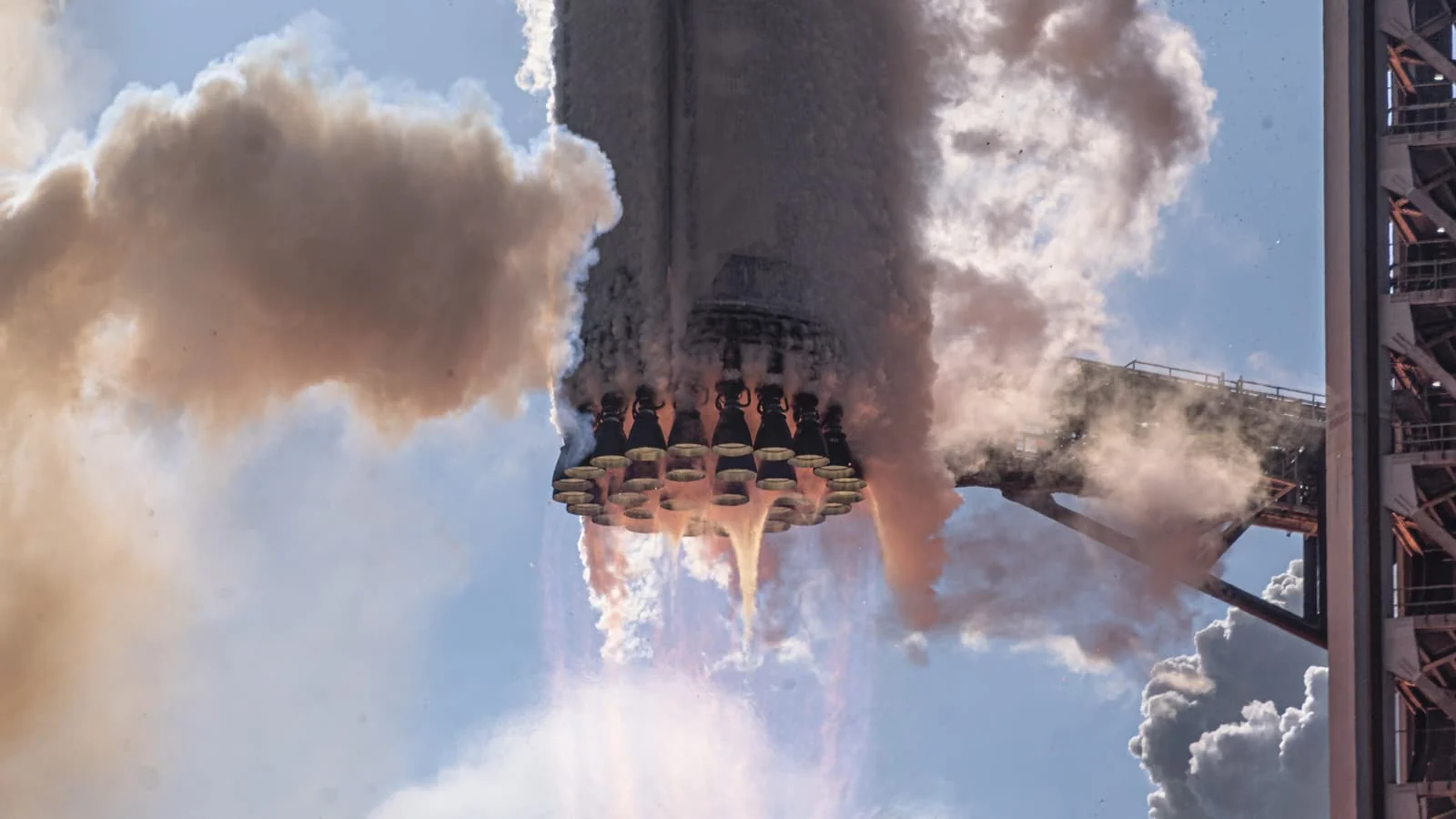
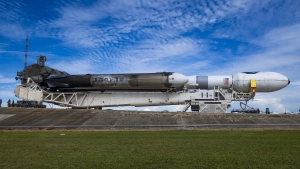
SpaceX has released official information regarding the upcoming launch of the first-stage booster from the Starship V3 blueprint, as reported by Zamin.uz.
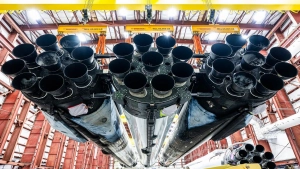
Although this test marked the eighth flight in the program, specialists regard it as one of the most critical phases of the development process. For the first time, a next-generation spacecraft and booster block were used, featuring upgraded Raptor 3 engines and launching from the newly constructed second pad at the Starbase spaceport in Texas.
At liftoff, all thirty engines of the Super Heavy booster ignited successfully. However, during ascent, one engine unexpectedly shut down.
Despite this, the rocket reached the designated altitude and successfully completed stage separation. The Starship vehicle continued its flight using six engines, while the Super Heavy booster initiated its return maneuver.
During the reignition attempt, technical issues arose. Some of the engines responsible for braking failed to operate, preventing a soft landing. As a result, the booster impacted the Gulf of Mexico with significant force.
The Starship upper stage, despite activating only a single vacuum engine, achieved its target flight altitude. This demonstrated the vehicle’s engine-out resilience in practice.
The primary objective of this mission was to evaluate Starship’s performance in open space and its atmospheric re-entry process.
For the first time, the spacecraft carried twenty Starlink satellite simulators and two specialized instruments designed for imaging the flight. As it entered the upper atmosphere, valuable data were collected on the effectiveness of its thermal protection system and overall structural integrity.
In the final phase of flight, Starship performed complex maneuvers to determine the maximum pressure on its control surfaces. Ultimately, the vehicle landed in the Indian Ocean as planned and completed its soft touchdown using two engines.
Although the booster was lost, experts consider this test a major step forward in advancing the next-generation Starship program. The data gathered will contribute to improving the rocket’s reliability in future flights.