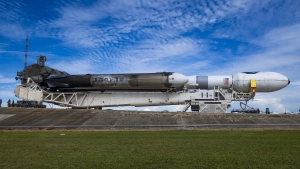



Valar Atomics powered the computer with a yadro reactor
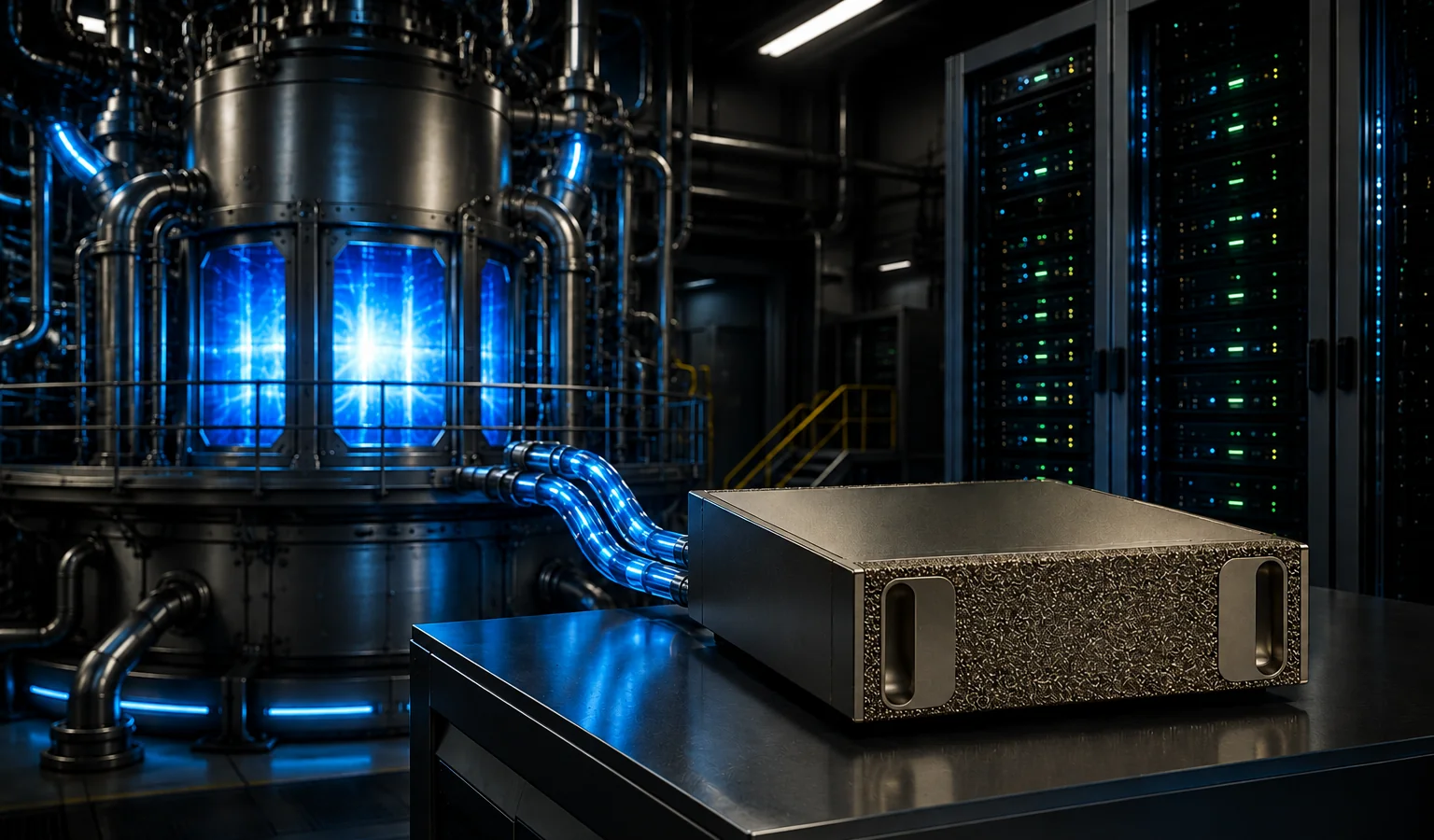
A major breakthrough has occurred in the field of energy and high technology, as reported by Zamin.uz.
The startup Valar Atomics became the first in the world to power a personal computer using a compact nuclear reactor. This experiment demonstrated in practice how vital nuclear energy is in meeting the enormous power demands required for artificial intelligence systems.
For the demonstration, an Nvidia RTX Spark mini-computer equipped with an Nvidia Blackwell graphics processor was used. Specialists connected the device to a microreactor called Ward 250.
When the device’s output was set to 37% of its total capacity, the system successfully booted up and began operating stably. This experiment showed that small-scale nuclear sources can sustain everyday technologies.
According to Isaiah Taylor, leader of Valar Atomics, the reactor’s capabilities are not limited to powering just a single computer. In fact, the company’s official website is currently hosted on a server powered by the Ward 250 unit.
This technology is based on the direct conversion of thermal energy produced by nuclear fission into electrical current. The reactor’s operation involves a unique complexity.
Inside the device, uranium atoms split every second, releasing approximately 100 kilowatts of thermal power. A helium-based cooling system directs this heat outward, where it is then converted into electrical energy suitable for computing devices via a thermoelectric generator.
Today, the energy consumption of AI clusters and data centers is growing rapidly. For this reason, global technology leaders are moving away from traditional energy sources in search of more stable and independent solutions.
The collaboration between Valar Atomics and Nvidia was launched precisely for this purpose. Currently, major corporations such as Amazon, Google, Microsoft, and Oracle are actively investing in small modular reactors.
Experts believe that in the future, the entire artificial intelligence infrastructure could transition to a network of such microreactors. This would not only ensure energy independence but also significantly reduce the amount of harmful emissions released into the environment.
Although Valar Atomics claims to be the first team to achieve a practical result, data from the U.S. Department of Energy indicate that several other companies are also conducting serious research in this direction. However, it was precisely the demonstration of powering everyday technology with nuclear energy that opened a completely new era in the field.