



Sales of Chevrolet's new electric pickup fell short of expectations
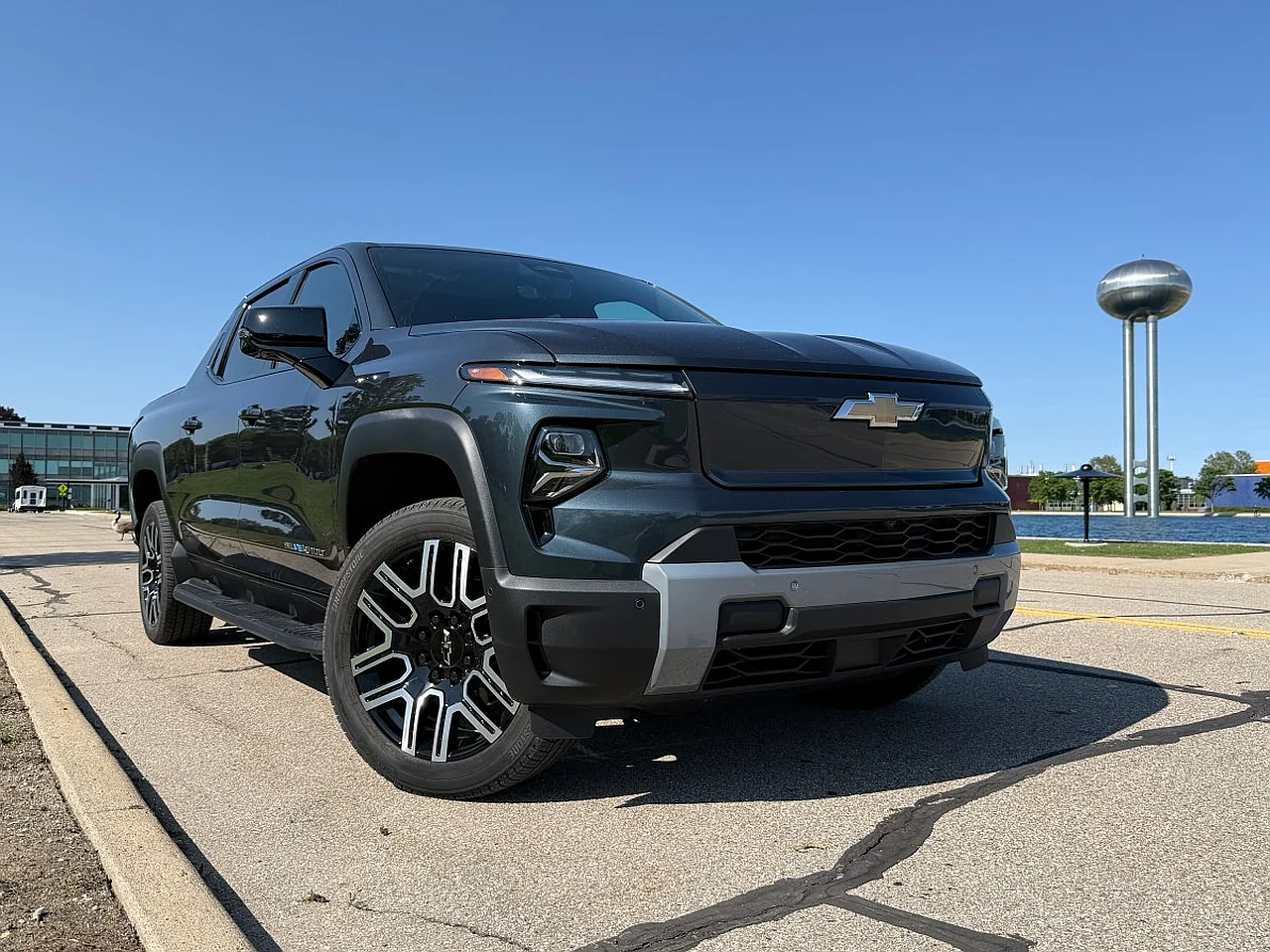
Chevrolet, a leader in the U.S. automotive industry, introduced an electric version of its popular Silverado pickup truck, as reported by Zamin.uz.
While this new electric vehicle has attracted attention from specialists due to its technical capabilities, driving range on a single charge, and innovative solutions, its actual sales performance has fallen short of expectations. According to available data, General Motors managed to sell only about 14,000 units of this model in the North American market over the past year.
This figure is roughly one-tenth of the sales volume of its gasoline-powered counterpart. The electric Silverado offers drivers a driving experience similar to that of a light-duty vehicle.
Its interior is spacious, and the sound insulation is of high quality. On a full charge, the vehicle can travel more than 640 kilometers.
Such a range should even satisfy the needs of the most demanding drivers. Additionally, the truck is capable of powering an entire home with electricity during exceptional circumstances.
In terms of exterior design, this model evokes the style of the older Chevrolet Avalanche. It features four doors, a covered cargo bed, and a cabin, combined with unique design elements that blend utility and comfort.
Although the vehicle is nearly six meters long, its rear-wheel steering allows it to maneuver easily in city streets and parking lots. The cabin is equipped with a modern multimedia screen that operates quickly and accurately.
Chevrolet engineers have retained mechanical controls for drivers who prefer not to rely solely on touch-sensitive buttons. Dedicated rotary knobs for volume and temperature control add significant convenience during use.
However, the manufacturer’s decision to omit Apple CarPlay in its new electric vehicles has drawn criticism from many users. Instead, the company is actively promoting its proprietary Super Cruise driver-assistance system.
Super Cruise is a Level 2 autonomous driving technology that allows drivers to take their hands off the wheel on compatible highways. The system uses high-definition map data to determine positioning.
However, real-world testing shows that this smart system does not always function perfectly. For example, it may respond sluggishly when detecting vehicles suddenly appearing from the side or obstacles in poor visibility conditions.
This raises the question: why haven’t consumers embraced this technologically advanced vehicle more widely? Several key factors explain this.
First, many traditional pickup truck buyers remain somewhat cautious and have not fully placed their trust in electric power. Second, the vehicle’s exterior design does not appeal to everyone’s taste.
Moreover, concerns about the high price and the availability of charging infrastructure are also influencing sales performance.