


Scotland fires rockets into space for the first time from its own soil
Scotland is preparing to launch artificial satellites from its territory for the first time in its history, according to Zamin.uz.
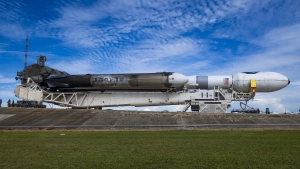
The German company Rocket Factory Augsburg has received official permission to launch a specialized rocket carrier from the SaxaVord spaceport in the Shetland Islands. At the same time, work on preparing the infrastructure is underway amid public debate.
This project is of great importance not only for Scotland but for the entire UK space industry. Until now, despite having a developed space industry and major satellite manufacturers, the UK lacked an active launch site capable of placing payloads into orbit from its own territory.
If the launch is successful, it will go down in history as the first launch from British soil into space. Technically, the rocket is designed to deliver small and micro-satellites weighing more than one tonne into low Earth and sun-synchronous orbits.
Such orbits are particularly convenient for Earth observation satellites, as they allow regular passes over specific regions of the planet under consistent lighting conditions. The first launch is planned to place an Earth observation satellite weighing approximately five hundred kilograms, belonging to a Scandinavian customer, into orbit.
After the rocket’s booster components were tested in Sweden, they will be delivered to the Shetland Islands. During preparations, construction of protective barriers has begun at the spaceport site, involving significant financial investment.
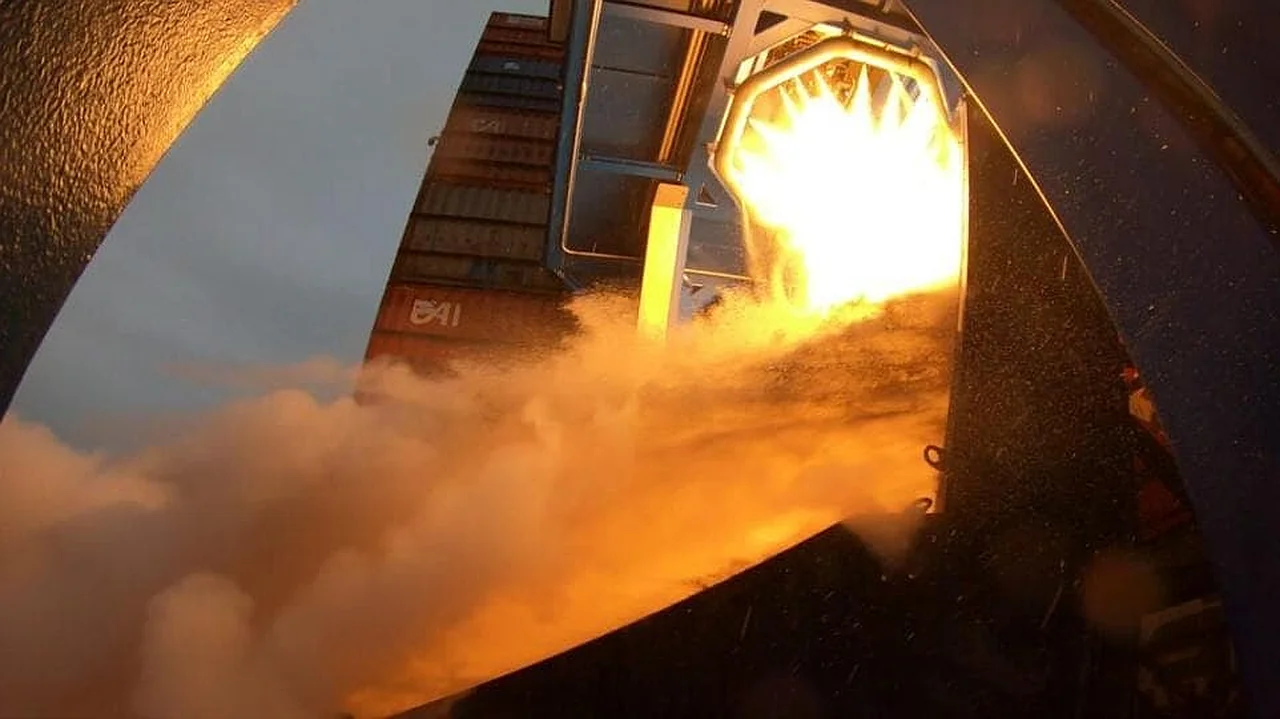
It should be noted that this type of rocket has not yet completed a successful flight. Initial tests conducted in August of last year ended unexpectedly due to a malfunction.
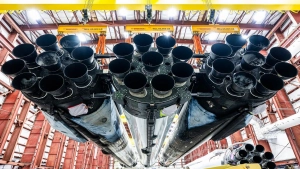
At that time, a problem in the fuel supply system caused the first stage of the rocket to catch fire, with flames spreading to all engines. This incident significantly delayed the planned schedule.
Currently, the company is applying for the necessary permits, and the earliest possible launch window is being considered for the summer months of this year. For local residents’ safety, movement on nearby roads will be restricted during the launch.
The project is expected to play a significant role in the European small launch vehicle market. For SaxaVord, this will be the first test of becoming a regular hub for commercial space launches.
If all plans are successfully implemented, Scotland will secure a firm position on the global space map and usher in a new era in the industry.