


Huawei produces its own personal memory devices
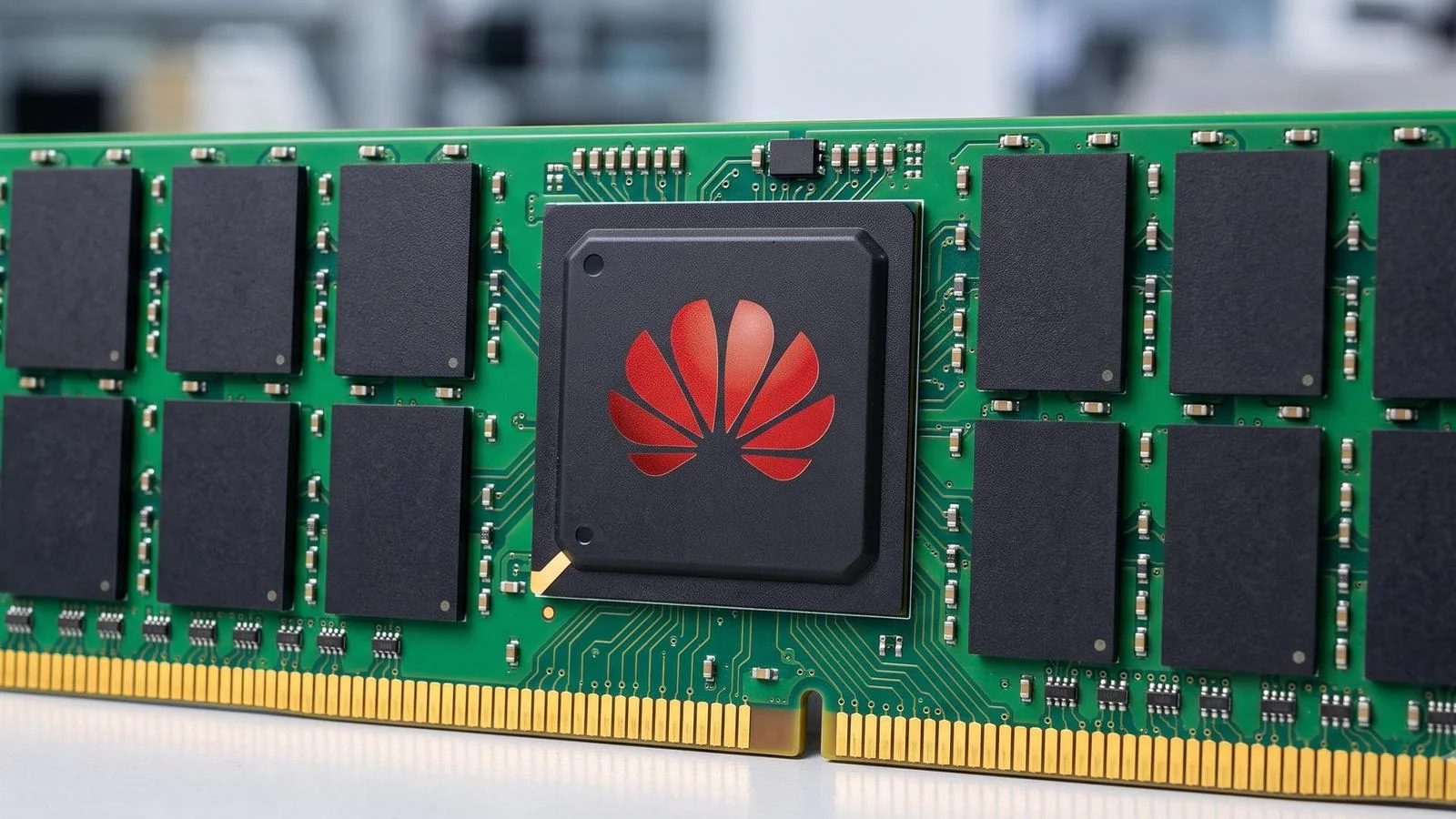
Huawei, one of the leading companies in China’s technology sector, is taking a significant step toward creating its own independent semiconductor supply chain amid ongoing U.S. restrictions. This was reported by Zamin.uz.
According to industry experts, the company is preparing to launch production of its own memory chips. The project is expected not only to benefit Huawei but also to serve as a major breakthrough for China’s entire electronics industry in reducing reliance on foreign suppliers.
This large-scale initiative will not be carried out by Huawei alone. It involves collaboration with Swaysure, a domestic memory chip manufacturer, and various state entities.
Under the plan, the partners will construct a major facility for producing 12-inch silicon wafers. The plant’s capacity is projected to reach up to 140,000 wafers per month—a very high figure by industry standards.
In its initial phase, the new plant will manufacture memory devices using a 28-nanometer process. While this lags behind the advanced nodes used by global leaders like Samsung or Micron, it represents a meaningful step forward.
For Huawei, this move offers the opportunity to secure a stable supply of critical components for its devices and significantly reduce dependence on volatile external market conditions. To ensure the project’s success, the company has recruited some of the most experienced specialists in the field.
Reports indicate that the new facility will be managed by former leaders of globally renowned manufacturing consortia. Additionally, strategic advisory roles have been offered to experts who previously worked at major Japanese companies specializing in memory chip production.
These experienced professionals are expected to help quickly align the technological processes with industry best practices. Currently, the majority of the global memory market is controlled by a few large, vertically integrated corporations.
The rapid advancement of artificial intelligence technologies has sharply increased demand for memory chips, leading to product shortages and driving up prices.
For Huawei, owning its own fabrication plant means protection against price fluctuations and supply disruptions. Sanctions imposed by the United States and the European Union have barred the company from purchasing advanced chips and the equipment needed to manufacture them.
Under these conditions, Huawei is compelled not only to produce its own processors but also to manufacture essential components such as memory chips domestically. The Chinese government is supporting the initiative by providing financial assistance and helping to secure all necessary permits.
In conclusion, Huawei’s entry into the memory chip market has the potential to fundamentally reshape the global technological landscape.