



TSMC raising product prices impacts the technology market
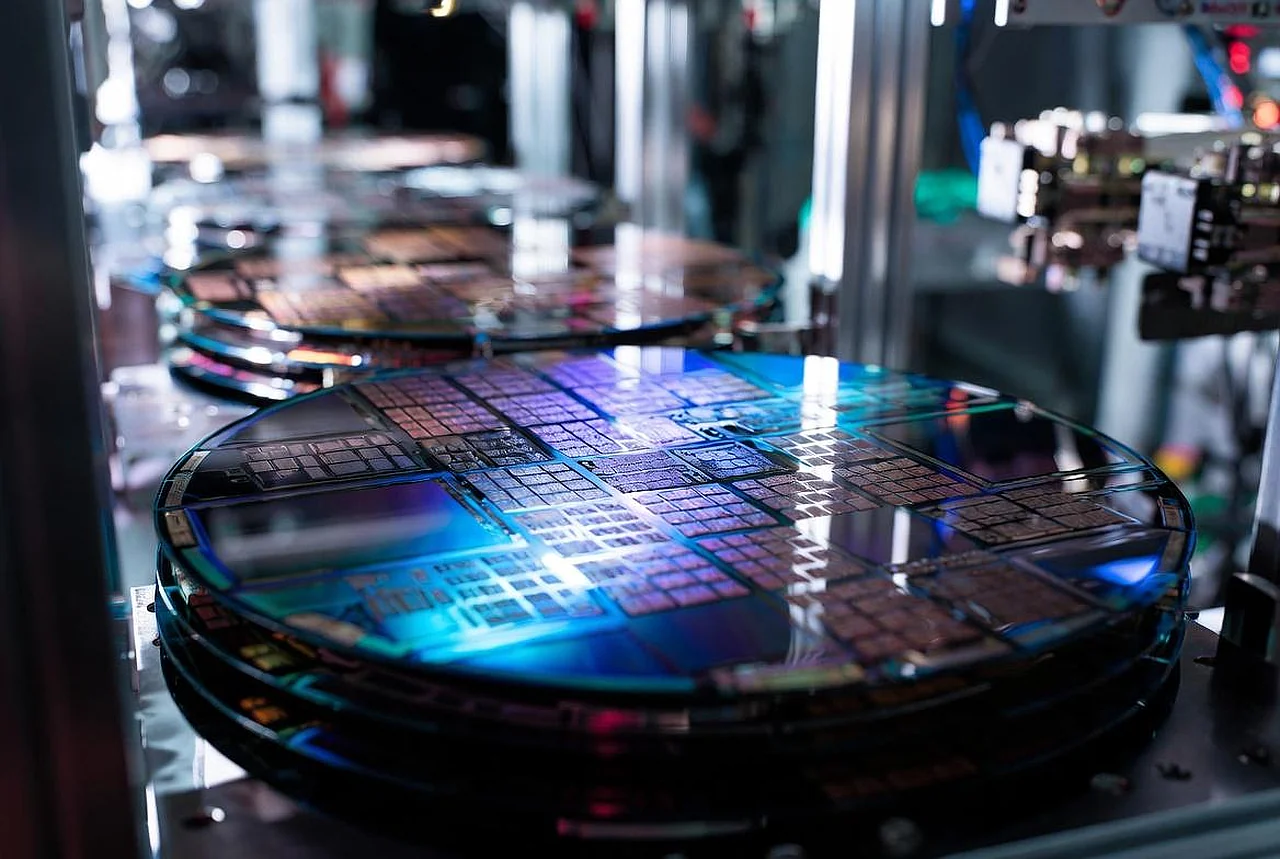
Chipmakers TSMC, one of the world's largest manufacturers in the semiconductor industry, is preparing to significantly increase the prices of its products. This was reported by Zamin.uz.
This decision could lead to higher prices for smartphones, computers, and devices that operate with artificial intelligence systems in the global technology market. However, in the Japanese market, the newly emerged company Rapidus aims to take advantage of this situation by attracting major customers with much lower prices.
According to industry analysts, TSMC plans to raise the prices of its most advanced three-nanometer silicon wafers by 15 percent in the second half of 2026. This process is expected to continue into 2027, with prices potentially increasing by up to another 10 percent.
Notably, the company warned its partners as early as the end of 2025 about the impending price increase for products based on its four- and five-nanometer technological processes. Against the backdrop of TSMC's steady price increases, Rapidus in Japan is entering the market with an aggressive pricing policy.
The company plans to offer wafers based on its two-nanometer technological process at a significantly lower price than its competitor. Currently, the Japanese manufacturer is considering setting a price of approximately $18,000 to $21,000 per wafer.
For comparison, TSMC is expected to charge around $30,000 for its equivalent product. Such a significant price difference could force major technology brands to reconsider their production chains.
At present, Rapidus is in negotiations with more than 60 companies regarding potential cooperation. Notably, the majority of these potential clients are international corporations.
The company is competing not only on price but also on technological leadership. Specifically, it plans to launch a nearly half-nanometer technological process by 2029, which would be even more advanced.
Rapidus is not just a newly established company; it is a major alliance of Japanese industrial giants. Its members include globally renowned corporations such as Toyota, Sony, and SoftBank.
This alliance aims to restore Japan's former influence in the semiconductor market. If the new manufacturer can supply high-quality and affordable components, it could significantly impact the business strategies of giants like NVIDIA and Apple.
For consumers, this could contribute to the stabilization of electronic device prices in the future.