



Uzbekistan faces difficulties in energy due to water scarcity
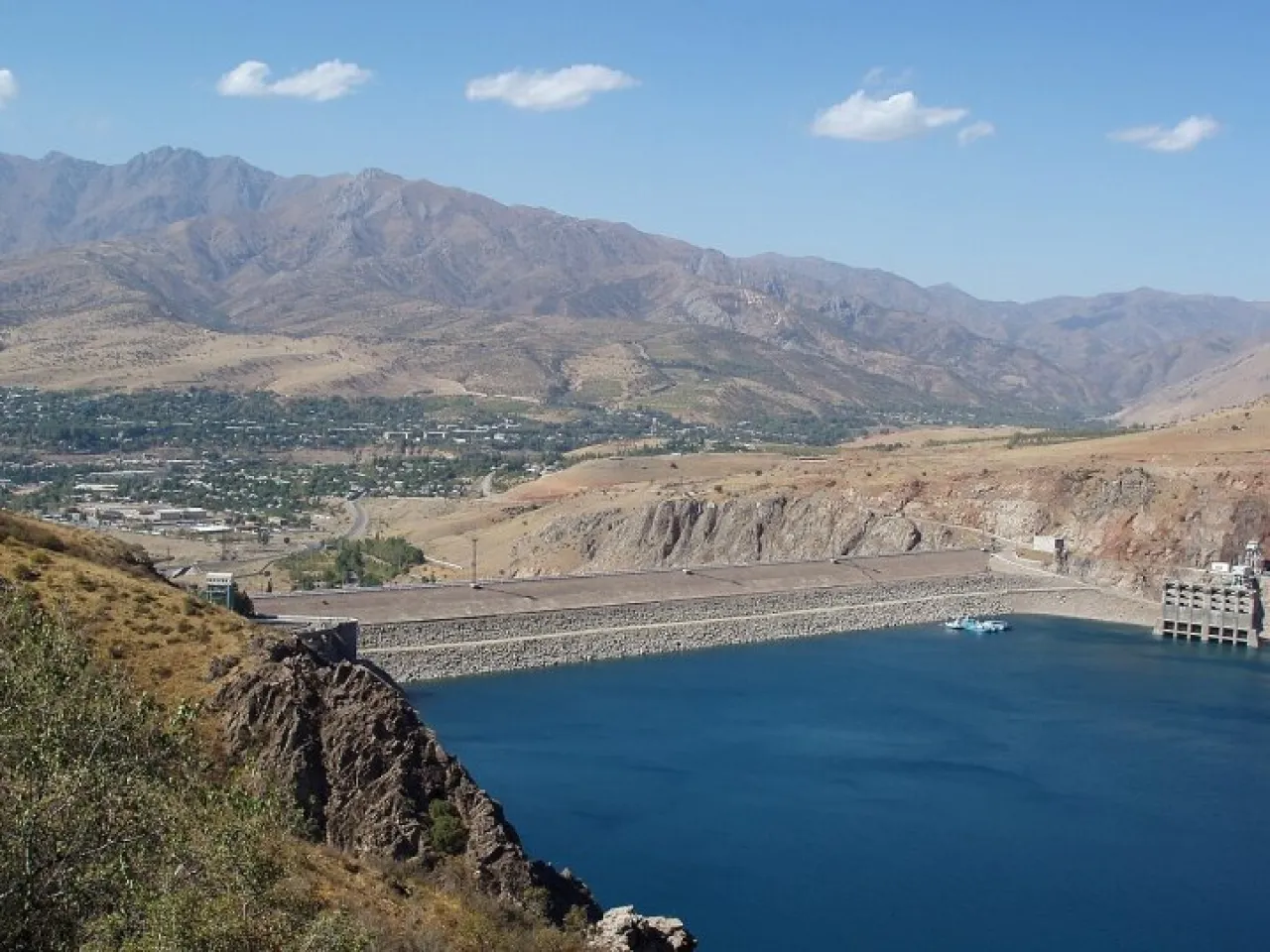
Uzbekistan is facing difficulties in the energy sector due to the reduction of water resources. This was reported by Zamin.uz.
Energy Minister Jo‘rabek Mirzamahmudov announced this during the government hour at the Legislative Chamber of the Oliy Majlis. In 2023, the water volume decreased by 35 percent compared to the previous year, leading to a decline in electricity production at major hydroelectric power plants.
According to the minister, the decrease in water levels in reservoirs and rivers hinders hydroelectric power plants from operating at full capacity. To address this issue, the construction of small hydroelectric power plants has been developed.
Currently, small and micro hydropower plants with a capacity of up to 5 MW produce 140 million kilowatt-hours of energy. However, the new capacities are not yet sufficiently efficient.
Therefore, alongside the development of hydroenergy, the ministry plans to transition to alternative energy sources. In particular, solar and wind energy projects have been designated as the main directions to reduce gas consumption.
Since the construction of large hydroelectric power plants requires a long time, alternative energy remains a convenient solution to improve energy supply in the short term. In September, an agreement was reached with Chinese companies to build pumped-storage power plants.
Additionally, efforts are underway to increase the transmission capacity of power lines between Uzbekistan, Kyrgyzstan, and Tajikistan. The World Bank supports these projects through the REMIT program.
In December, a plan was announced to export 2.6 billion kilowatt-hours of electricity to Kyrgyzstan and Tajikistan. This strategy allows for the accumulation of water reserves in reservoirs and their use by farmers during the growing season.
As a result, despite a 35 percent decrease in precipitation, Uzbek farmers did not suffer from water shortages during the summer season. At the same time, by launching new capacities, Uzbekistan has become an energy-exporting country.
For example, daily electricity supply of 2 million kilowatt-hours to Tajikistan has begun. Although the country's annual hydroenergy potential amounts to 27.4 billion kilowatt-hours, only 30 percent has been utilized.
Therefore, the development of small hydroelectric power plants is considered a promising direction. Source: upl.uz