



Excess cars in government agencies will be put up for sale
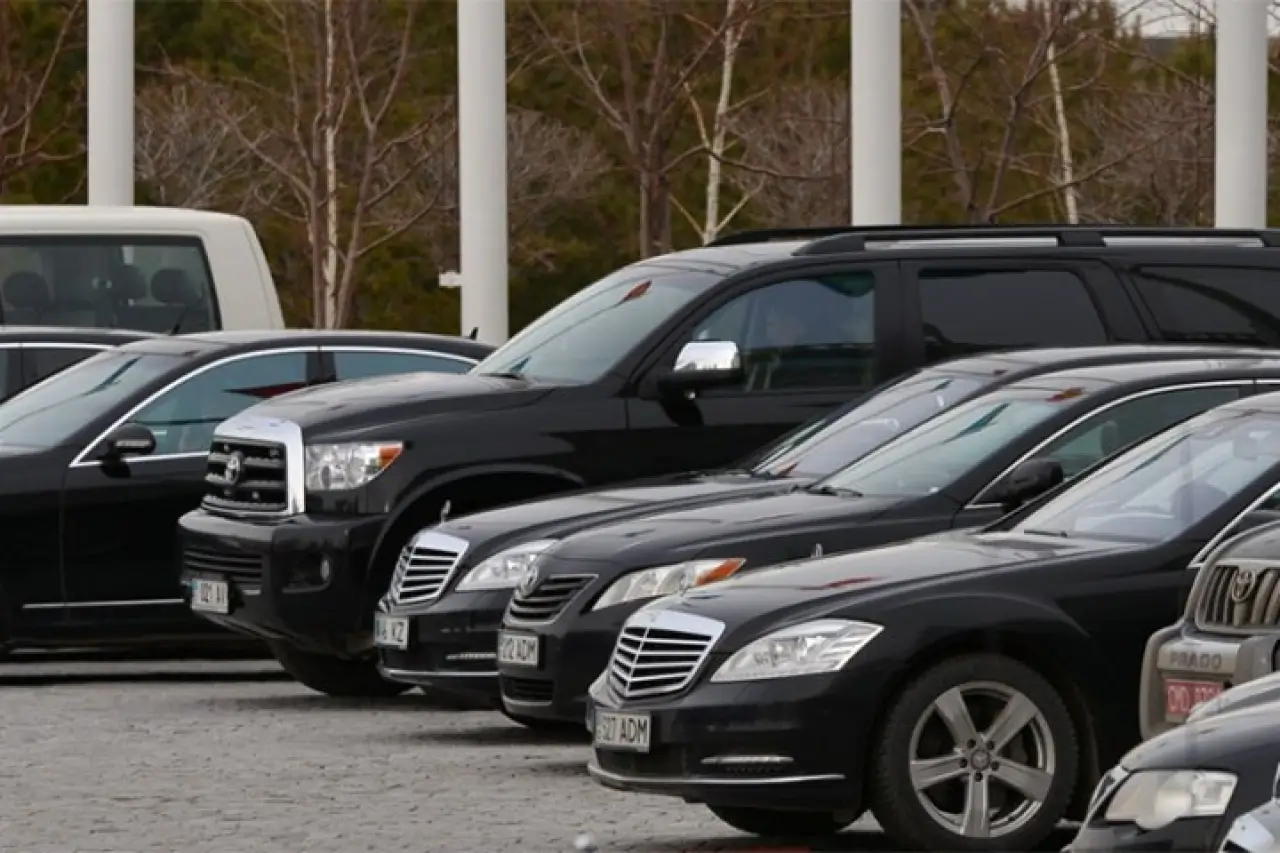
The government of Uzbekistan has launched a large-scale inspection of service vehicles under the control of state agencies and local executive authorities. This was reported by Zamin.uz.
Vehicles exceeding the limits established by legislation will be confiscated and subsequently put up for open auctions. This was reported by upl.uz.
This process is being carried out in accordance with the decree of the President of the Republic of Uzbekistan “On additional measures to ensure a competitive environment and transparency in public procurement.” The document was signed and came into force on December 27, 2025.
This initiative is viewed as part of a strategy to efficiently manage state budget funds and reduce excessive expenditures. The inventory and control of service vehicles have been assigned to the Accounts Chamber and the State Financial Control Inspectorate.
At the same time, relevant departments of the Ministry of Internal Affairs will also be involved in this process. Within the next three months, a full audit of vehicles on the balance sheets of state management bodies and local authorities will be conducted.
The main goal of the inspection is to identify vehicles used beyond the established norms and put them up for sale in accordance with the law. The final report on the results of the process must be submitted to the Presidential Administration by June 1, 2026.
This decree not only limits the reduction of currently existing vehicles but also introduces a system for continuous monitoring of public procurement. The Accounts Chamber and the State Financial Control Inspectorate will regularly oversee the processes of vehicle purchases made through tenders or direct procurement.
This aims to prevent cases of purchasing new vehicles based on artificial needs. The practice of selling state property through the “E-auction” electronic platform has previously demonstrated high efficiency.
From now on, this process will be further expanded, and transactions will be made accessible to private individuals and entrepreneurs. Systematic control over the renewal and maintenance of vehicles used by public servants will become one of the priority tasks of financial regulators.
In recent years, thousands of state assets, including service vehicles and other real estate, have been sold through “E-auction.” Through this process, hundreds of billions of soms have been directed to the state budget, and costs related to storing and depreciating unused assets have been reduced.