



Turkmenistan issued a 200 manat polymer banknote
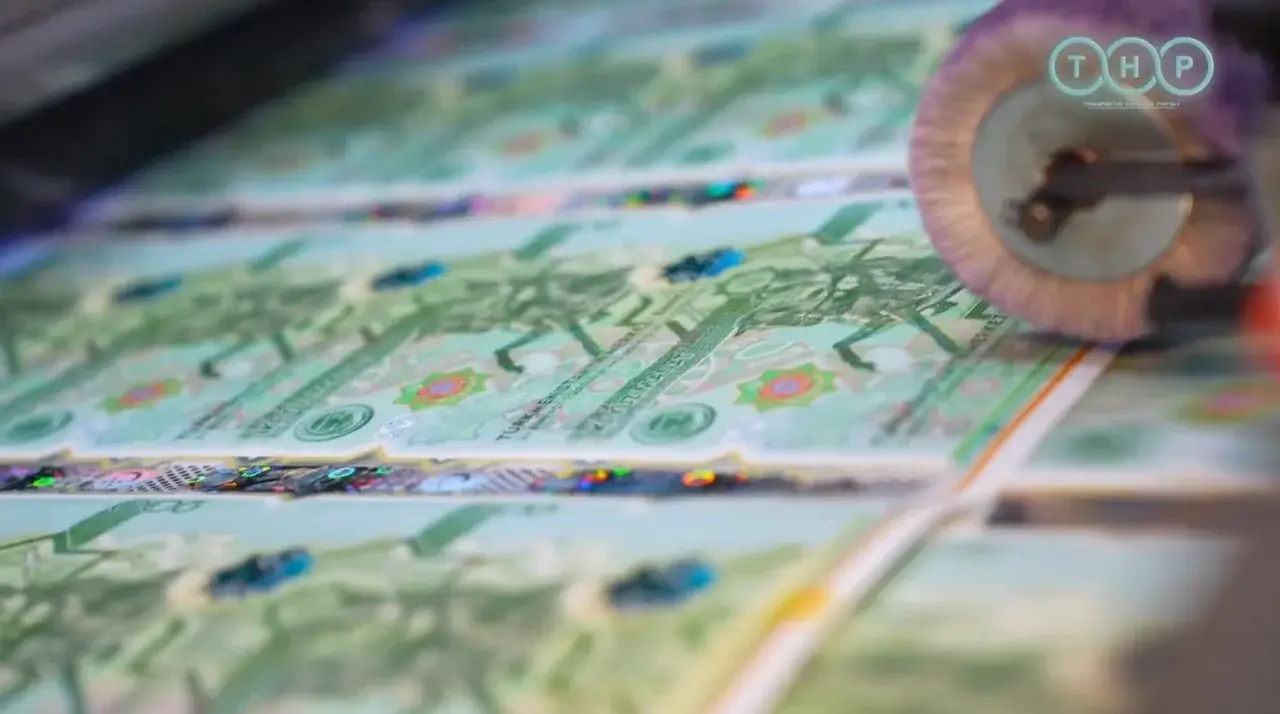
The Central Bank of Turkmenistan has issued a new 200 manat banknote into circulation starting from December 1. This was reported by Zamin.uz.
This banknote is dedicated to the 30th anniversary of the country's permanent neutral status. The new currency is made of polymer material, and not only the 200 manat but also the 1, 5, and 10 manat banknotes have been reissued on a polymer basis.
Their previous color and appearance have been preserved, but a special emblem marking 2025 as the International Year of Peace and Trust has been added. The front side of the 200 manat note features the Arqadag statue, while the back side depicts the administrative building of the Arqadag city administration.
Polymer banknotes have several advantages over paper money. They have strong protection against counterfeiting and are resistant to external influences: dirt, moisture, and wear.
Additionally, polymer notes last longer than paper ones, do not tear easily, and accumulate fewer bacteria. The possibility of recycling worn polymer notes reduces their environmental impact.
Turkmenistan became the first country in Central Asia to introduce polymer currency into circulation. It is worth noting that the world's first polymer banknotes were introduced in Australia in 1988, and this country later completely abandoned paper currency.
At the same time, although the official exchange rate of the manat in the country is 3.5 manat per dollar, in the unofficial market this value reaches 19-20 manat. The Central Bank has announced that the previous paper notes will remain legal tender.