



France gold trade: short profit, big loss
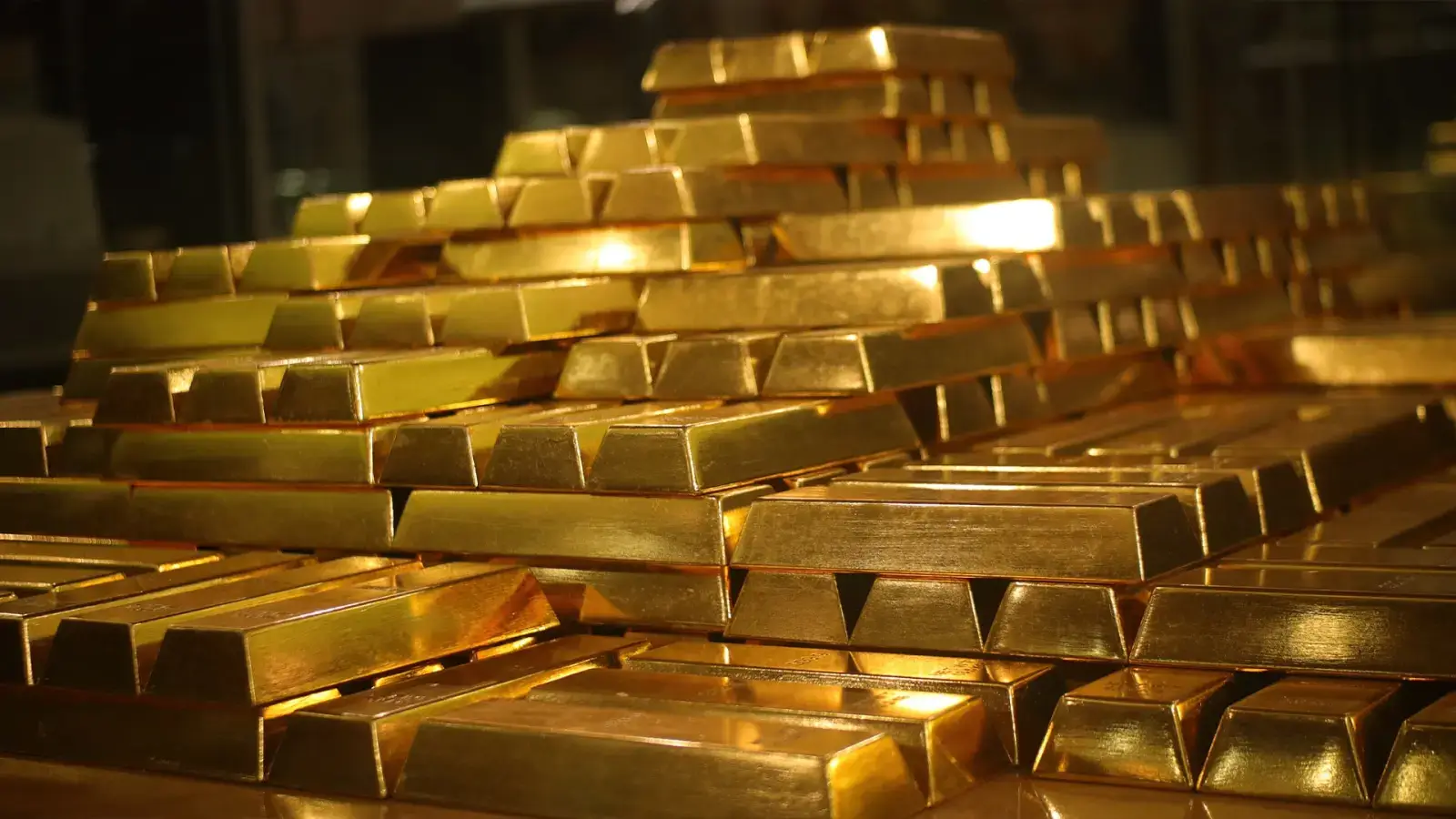
In 2004, the French government reviewed its financial policy and decided to sell a large portion of the state gold reserves. This was reported by Zamin.uz.
As a result of this decision, 589 tons of gold, approximately 20 percent of the total reserves, were put on the market. Officials explained this decision by considering gold as a "non-yielding asset" and emphasizing the need to direct funds towards interest-bearing and faster-returning investments.
Consequently, the gold sales brought 4.67 billion euros to the budget. However, time passed: nearly twenty years later, the price of gold increased significantly.
In February 2026, the price of 1 kilogram of gold was valued at over 137,000 euros. Based on these prices, the current value of the 589 tons of gold sold in 2004 would be approximately 81 billion euros.
This means that France lost about 76 billion euros in potential income due to that trade. It is also known that the French central bank had discussed the possibility of selling nearly 500 tons of gold over several years during that period.
This decision was not made overnight but was part of a pre-planned policy. Experts draw an important conclusion from this event: gold does not generate daily income, but it provides long-term security and stability.
During times of inflation, geopolitical instability, or economic crises, gold serves as a reliable shield. Thus, some assets are preserved not for short-term profit but for future peace of mind.
In summary, it is important not to rush in managing financial assets and to consider a long-term strategy. Gold has once again proven to be an asset that values patience.