



Gold: A Leading Role in Economy, Industry, and Culture
Currently, gold holds significant importance in the global economy. This was reported by Zamin.uz.
Adjusted for the inflation rate of the 1980s, today's gold price is about 40 percent higher than the peak level of that period. This leads to gold being accepted by investors as a reliable store of value.
According to the results of 2024, the world's gold reserves are distributed as follows: the largest portion belongs to jewelry, with a total amount of 97,149 tons. India was the largest buyer of gold jewelry last year, purchasing 560 tons of gold.
China took second place by buying 510 tons of gold. In these countries, gold is closely linked to life and ceremonies, holding traditional and cultural significance.
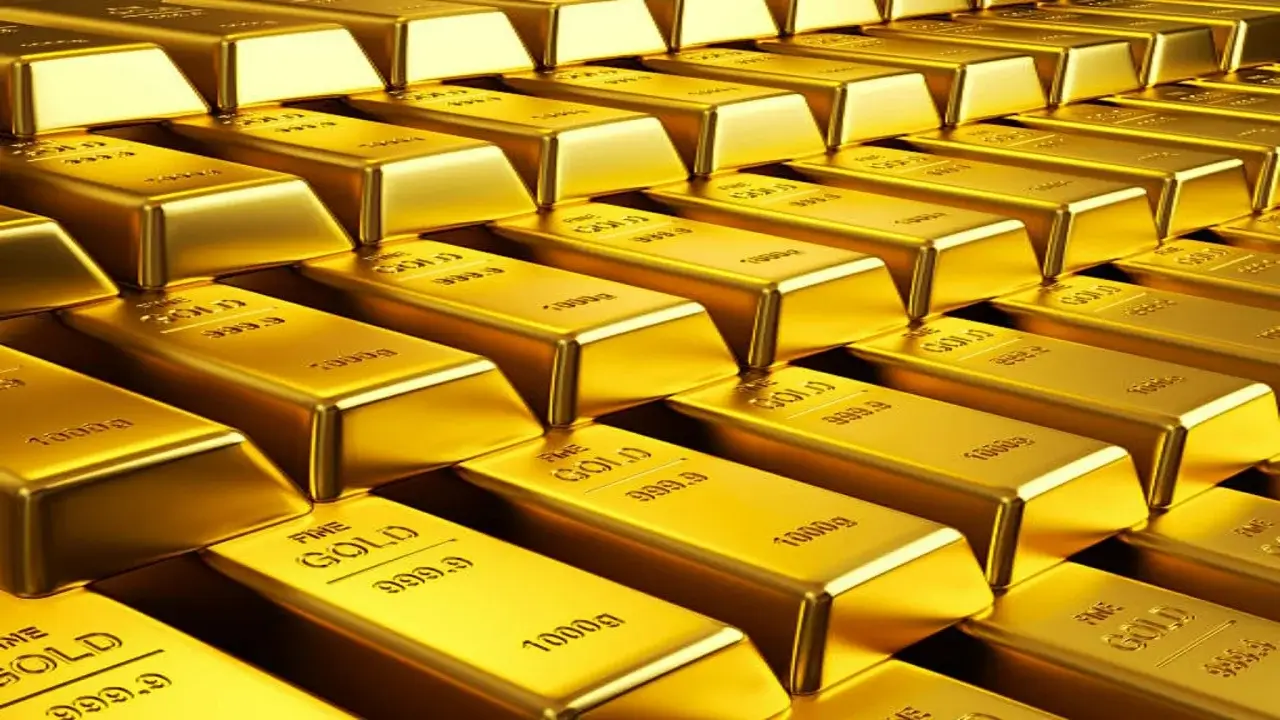
Reserves of bullion, coins, and gold-backed investment funds amounted to 48,634 tons, which is significantly higher than central bank reserves (37,755 tons). Among central banks, the United States, Germany, and Italy lead in holding the largest gold reserves.
Gold is also widely used in the industrial sector. The amount of gold used in electronics, dentistry, and other technological fields reached 32,727 tons.
Gold's high conductivity makes it an important material in the production of semiconductor chips and connector wires. These figures once again confirm gold's role in the economy and industrial sectors.
It demonstrates that gold is not only a means of preserving value but also has unparalleled importance in modern technologies.