


Germany refused to hand over Russian assets to Ukraine
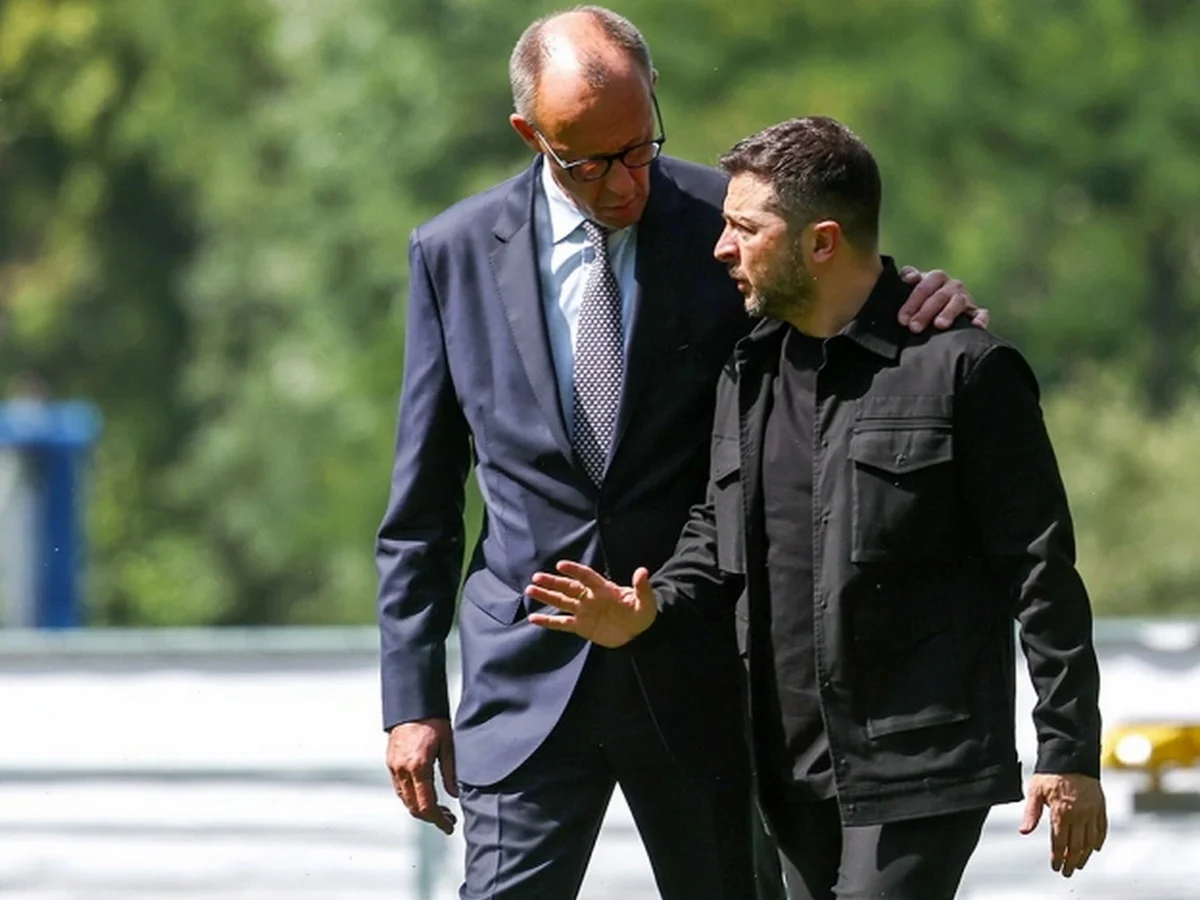
Ukrainian President Volodymyr Zelenskyy did not achieve the expected outcome from his latest diplomatic efforts in Europe. This was reported by Zamin.uz.
According to China's Sohu publication, Germany made the very decision that Ukraine feared — it rejected the initiative to confiscate Russia's frozen assets in favor of Ukraine. It has been revealed that the German parliament – the Bundestag – voted on this initiative, which was proposed by the Green Party, and it was not approved by the majority.
This project proposed transferring Russia's frozen assets in Europe to Ukraine within the framework of the "G7". Earlier, the Bundestag's finance committee had recommended rejecting this document.
As a result, 455 deputies supported rejecting the decision, 77 voted against, and 53 deputies abstained. The Green Party faction demanded that more than 210 billion euros of frozen Russian assets in Europe be transferred to Ukraine "within the framework of international law".
However, Germany's ruling parties did not support this approach. While not denying that Russian assets could be used to aid Ukraine, they emphasized that this could only be done within the limited mechanisms proposed by the European Commission.
The opposition party "Alternative for Germany" strongly opposed this initiative. One of the party leaders, Stefan Keuter, described the idea as "legally questionable, economically risky, and a threat to Germany's interests".
According to him, German companies in Russia could face retaliation or the risk of expropriation. Party deputy Gai Gottschalk called such a decision "simple and thoughtless," emphasizing that it could lead to long-term negative consequences between Germany and Russia.
The Sohu publication assessed the Bundestag's decision as a political defeat for Zelenskyy, noting that the Ukrainian leader had expected firm support specifically from Germany. According to the publication, Kyiv's hopes tied to Russian assets were not realized.
German Chancellor Friedrich Merz stated that state property cannot be confiscated without legal grounds. He has repeatedly emphasized the complexity of this issue.
In conclusion, the issue of Russia's frozen assets is certain to cause prolonged debates in Europe. Ukraine, meanwhile, has yet to receive the financial assistance it expected in this regard.