


Bashar Assad lives in Moscow and returned to medicine
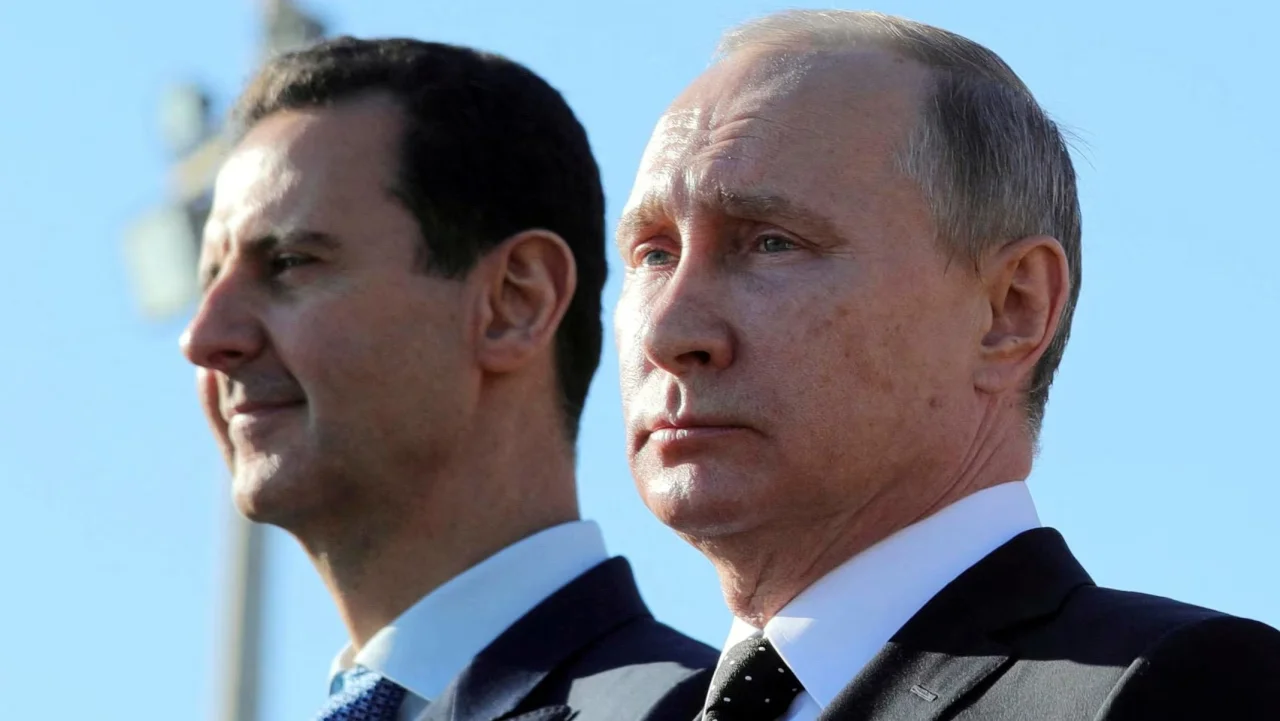
Reports have emerged that former Syrian president Bashar Asad has been living in Moscow for the past year and has returned to the medical field there. This was reported by Zamin.uz.
The British newspaper The Guardian, citing sources in Russia and Syria, stated that Asad is currently participating in training in ophthalmology. He continues this activity not due to financial difficulties but because of personal interest.
Sources close to the Asad family say that before the war, Bashar Asad worked as an eye disease doctor in Damascus. He has not completely abandoned medicine and considers this field his true area of interest.
It is also reported that Asad has seriously begun to study the Russian language deeply. According to the publication, although the Asad family is financially stable, Bashar Asad himself lives almost entirely in isolation.
He does not have the opportunity to freely communicate with Russian and Syrian elites. Only a few close individuals, including former minister Mansur Azzam and former economic advisor Yassar Ibrahim, are in contact with him.
According to The Guardian, Russian President Vladimir Putin no longer regards Bashar Asad as a politically significant figure. In Moscow, he is not considered an influential person and is not even invited to official events.
In recent months, the Asad family has appeared very rarely in public. Only once this year, during the summer, did the family appear publicly when Asad’s daughter Zeyn graduated from the Moscow State Institute of International Relations.
It is known that Asad’s children frequently travel to the United Arab Emirates. Initially, the family planned to permanently relocate to the UAE but abandoned this plan due to political inconveniences.
Also, during the initial period after arriving in Moscow, Bashar Asad focused on the treatment of his wife Asma’s leukemia. As a result of experimental therapy, Asma began to feel better.
Currently, Bashar Asad plans to express his views on the situation in Syria through mass media. He intends to give interviews to Russia’s RT channel and some foreign podcasts, but this plan depends on the permission of the Russian government.