


Major AES Restarted in Japan
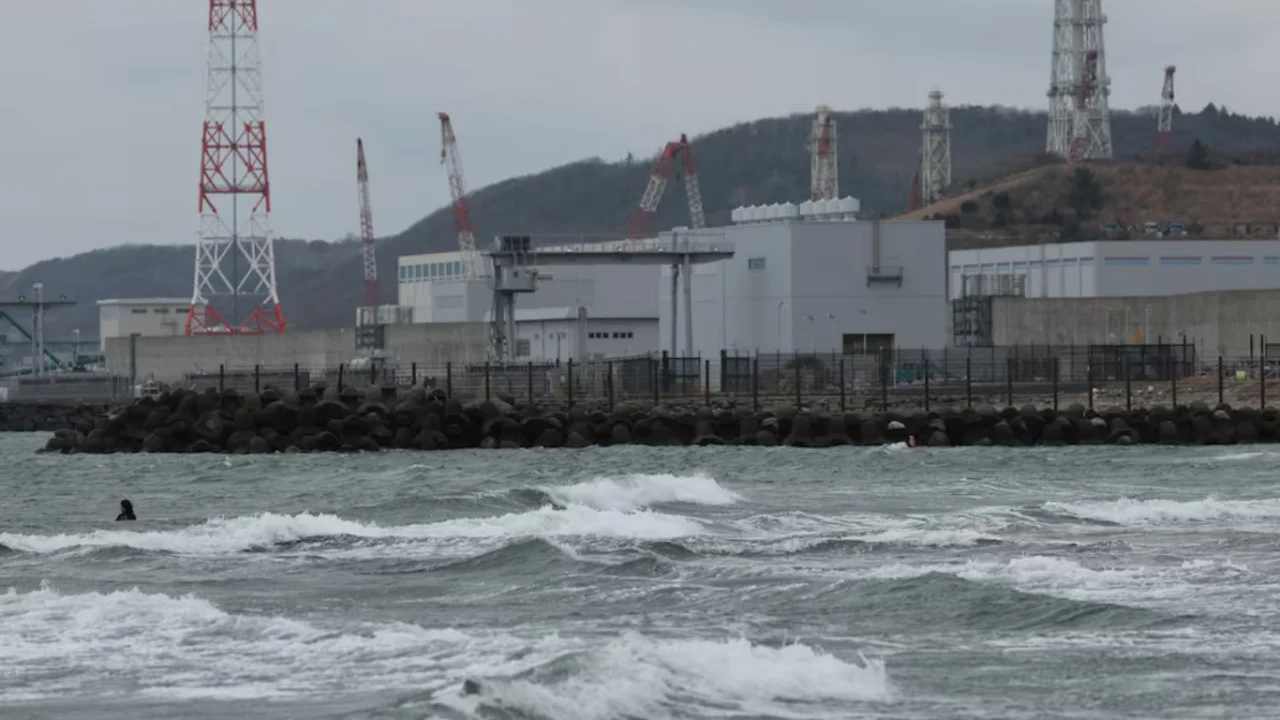
Fifteen years after the nuclear disaster in Fukushima, Japan has authorized the restart of its largest nuclear power plant – the Kashiwazaki-Kariwa reactor. This was reported by Zamin.uz.
This plant, located 220 kilometers northwest of Tokyo, had ceased operations following the earthquake and tsunami in 2011. The leadership of Niigata Prefecture announced the decision to restart the plant.
On the same day, about 300 people in the prefecture held a protest with slogans such as "No to Nuclear" and "We Support Fukushima." The majority of the population's concerns are related to the safety issues of the plant, and they do not support such a decision.
TEPCO plans to start the first reactor on January 20, 2026. At the same time, to reduce local residents' objections and ensure their support, the company has promised to invest 100 billion yen (approximately 641 million dollars) over the next 10 years.
Nevertheless, many citizens express distrust towards this plan. The Japanese government aims to increase the share of nuclear energy to 20 percent by 2040 in order to strengthen energy security and reduce the costs of imported fuel.
According to experts, the restart of the Kashiwazaki-Kariwa plant will play an important role in the country's energy strategy.