


Mobile internet restrictions are expanding in Russia
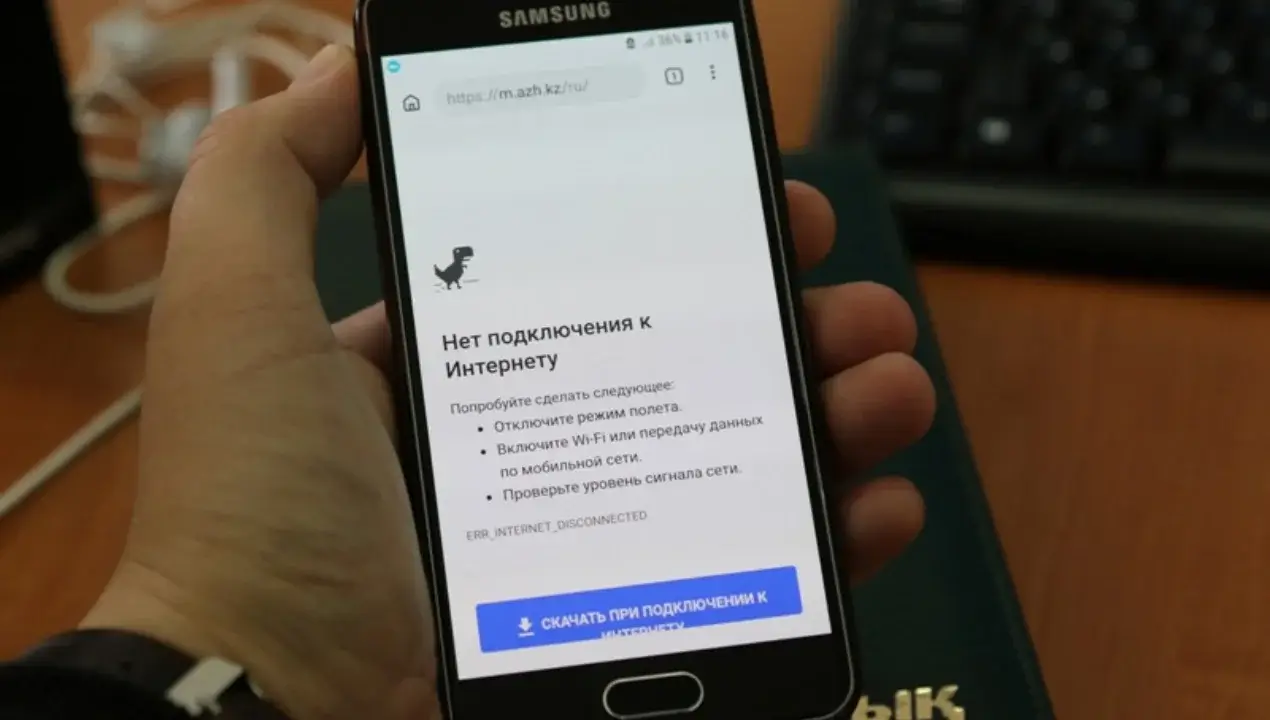
Mobile internet services have been temporarily restricted in Crimea and the Ulyanovsk region. This was reported by Zamin.uz.
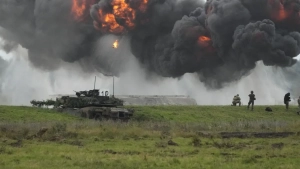
This decision was made amid ongoing military conflicts between Russia and Ukraine. Sergey Aksenov, the Moscow-appointed head of Crimea, called on the population to adapt to this situation and transition to the new work regime.
According to Russian President Vladimir Putin, these restrictions have been implemented to ensure national security. He believes that foreign internet platforms assisting Ukrainian drones in identifying targets within Russian territory could pose a security threat.
These restrictions are not limited to border areas but are also being enforced within the country. For example, mobile internet was unavailable in Saint Petersburg for a week.
The Ulyanovsk region became the first area to experience mobile internet disconnection starting from November 2025 until the end of the war. In the regions where restrictions are in effect, only websites approved by the Russian Ministry of Digital Development are accessible.
This list includes government services, national platforms, and state media outlets. However, in practice, the functionality of these sites is also unstable.
This is causing serious difficulties in the daily activities of the population, such as making payments for goods, remote education, or using services like taxi calls. Additionally, the operation of the WhatsApp messenger is significantly limited.
Roskomnadzor has reported that the messenger’s operation has been slowed down by 70–80 percent. Officials emphasize that this is due to the app being used for terrorist purposes.
Experts view this situation as an attempt to encourage the population to switch to national messengers. Are these internet restrictions necessary measures to ensure security, or are they aimed at increasing control over information?
This question remains open for now.