


Russian strikes intensified the energy crisis in Ukraine
Since the heating season began, the Ukrainian government has reported that Russian forces have carried out 256 air strikes against the country’s energy infrastructure. This was reported by Zamin.uz.
According to official data, since October 2025, 11 hydroelectric power plants and 45 large thermal power plants have been targeted. Additionally, 49 strikes were recorded on thermal power plants and 151 on electrical substations.
The attacks were mainly carried out using "Geran" drones, as well as "Iskander," "Kalibr," "Kh-101," and other missiles. The majority of strikes were recorded in Kyiv city and region, as well as in Kharkiv, Odessa, Dnipropetrovsk, Sumy, Mykolaiv, and Chernihiv areas.
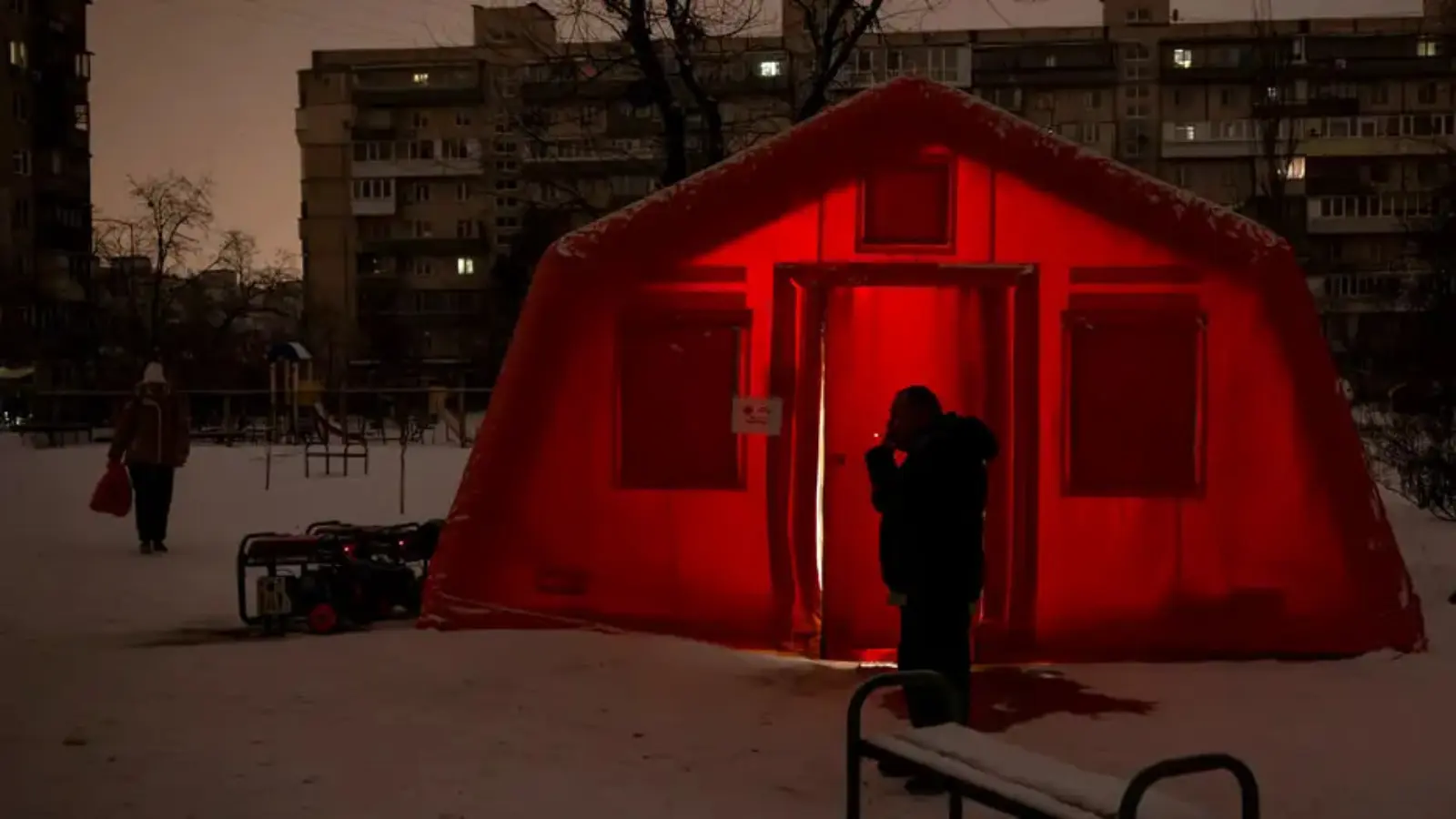
In cold weather conditions, such attacks lead to outages in electricity and heating supply, and in some places, disruptions in water supply. According to foreign media reports, Kyiv is experiencing the most difficult period this winter since the war began.
In January, as a result of strikes organized by Russia, the electricity supply in Kyiv and other regions suffered serious damage. Reports spread that the population was left in the cold and residential infrastructure was under severe pressure.
The Kyiv city administration announced the introduction of an emergency power outage regime. Even in areas where heating was restored, technical problems have caused renewed restrictions.
Experts believe that the strikes on the energy system during winter negatively affect not only electricity supply but also heating, water, transport, and all other aspects of daily life. The Ukrainian side assesses these attacks not as ordinary military operations but as pressure aimed at disrupting the population’s way of life.
Winter is always a time of trial, but preparation, repair work, and the caution of the population play an important role. Every outage is not an inevitable end; the system is being restored.
However, this time the cost of recovery is much heavier.