Israel's attacks on the capital of Lebanon have intensified
Israel's military operations in Lebanese territory are intensifying. This was reported by Zamin.uz.
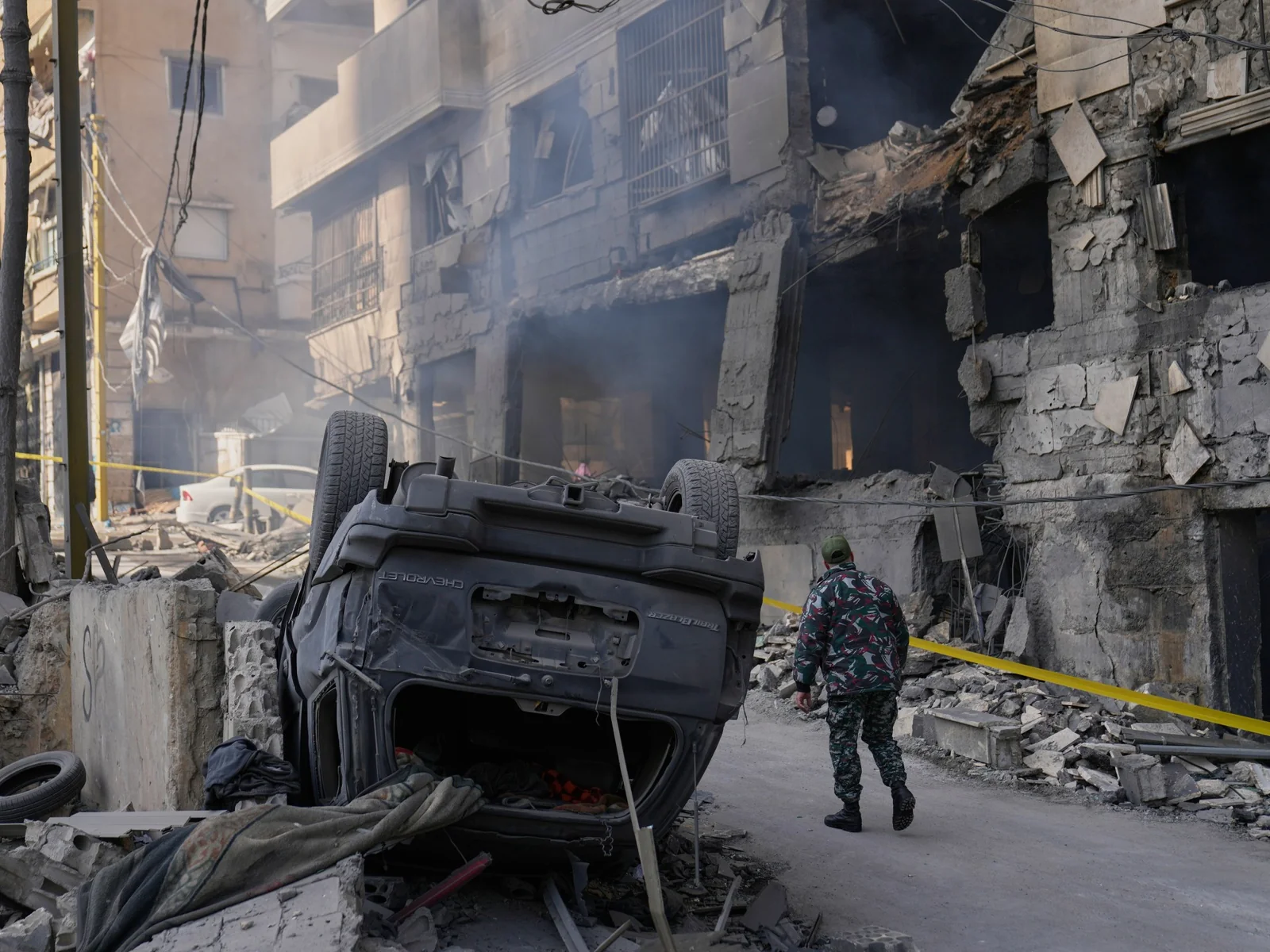
In recent days, more than twenty people have lost their lives as a result of attacks targeting Beirut, the capital, as well as the southern and eastern parts of the country. The Israeli armed forces have expanded attacks in the capital, targeting neighborhoods such as Jnah and Nabaa, which had not previously suffered full damage in modern warfare conditions.
Israeli official representatives announced that these operations are aimed at destroying the financial sources of the Hezbollah movement. However, the real situation is manifesting differently.
Residential blocks densely populated have taken heavy blows, with many buildings destroyed. The humanitarian situation is rapidly deteriorating, and according to information announced by international organizations, more than seven hundred people have died in less than two weeks.
Among them are more than seventy children. Additionally, due to attacks continuing from early morning until late at night, more than eight hundred thousand Lebanese residents have been forced to leave their homes and seek shelter.
On the same day, United Nations Secretary-General António Guterres arrived in Beirut and expressed condolences to the Lebanese people. In his speech, he emphasized that the country has been drawn into a war it did not choose and that this is becoming a humanitarian disaster.
The situation outside the capital remains severe. Bombardments carried out along the cities of Sidon and Tyre, as well as the Bekaa Valley, have spilled the blood of many civilians and children.
Emergency service workers are heroically working in crisis conditions, trying to rescue survivors from the rubble and recover the bodies of the deceased. The international community continues to condemn these acts of violence.
Official representatives of Qatar also sharply criticized Israel's military actions, describing them as a clear violation of Lebanon's sovereignty at a time when the regional crisis is deepening.