



Iran's missile strikes have sharply decreased, but the threat remains.
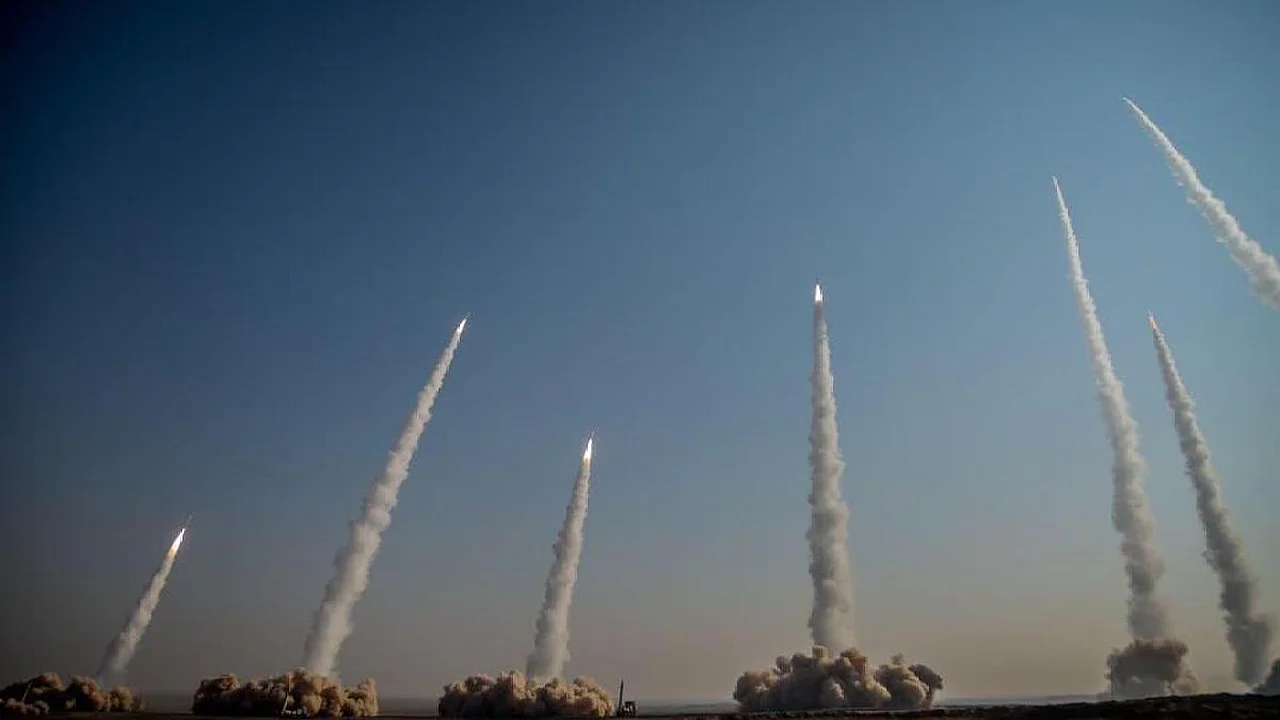
Following joint military strikes by the United States and Israel, missile and drone attacks launched by Iran have sharply decreased. This was reported by Zamin.uz.
However, military analysts emphasize that Tehran still possesses sufficient weaponry to threaten its neighbors and maintain regional tension. The White House announced that Iran's ballistic missile capabilities have been effectively neutralized and significant damage has been inflicted on its military infrastructure.
International media outlets are reporting on this matter. Nevertheless, Iran has not ceased firing projectiles.
On Monday, Qatar announced the interception of another missile launched from Iran. Alerts were also issued in Saudi Arabia, the United Arab Emirates, and Bahrain.
It was reported that in Abu Dhabi, one missile struck a vehicle, resulting in the death of one person. These incidents indicate that Iran's strike capability has not been entirely eliminated but rather weakened.
According to data provided by regional and Western officials, during the initial phase of the conflict that began on February 28, Iran launched numerous missiles and drones in coordinated barrages. Currently, the scale of attacks is significantly smaller, with only a few missiles or drones being launched simultaneously.
Experts state that the primary reason for this is the destruction of launch systems. According to Israeli data, hundreds of launch platforms have been taken out of service.
Nevertheless, Iran's vast territory and hidden missile sites make it difficult to locate and destroy every launcher from the air. Analysts emphasize that while Tehran can no longer deliver massive, large-scale barrages, it still retains the ability to carry out limited strikes capable of exerting strategic impact.
The situation in the region remains uncertain.