The US is preparing for a combat situation with Iran
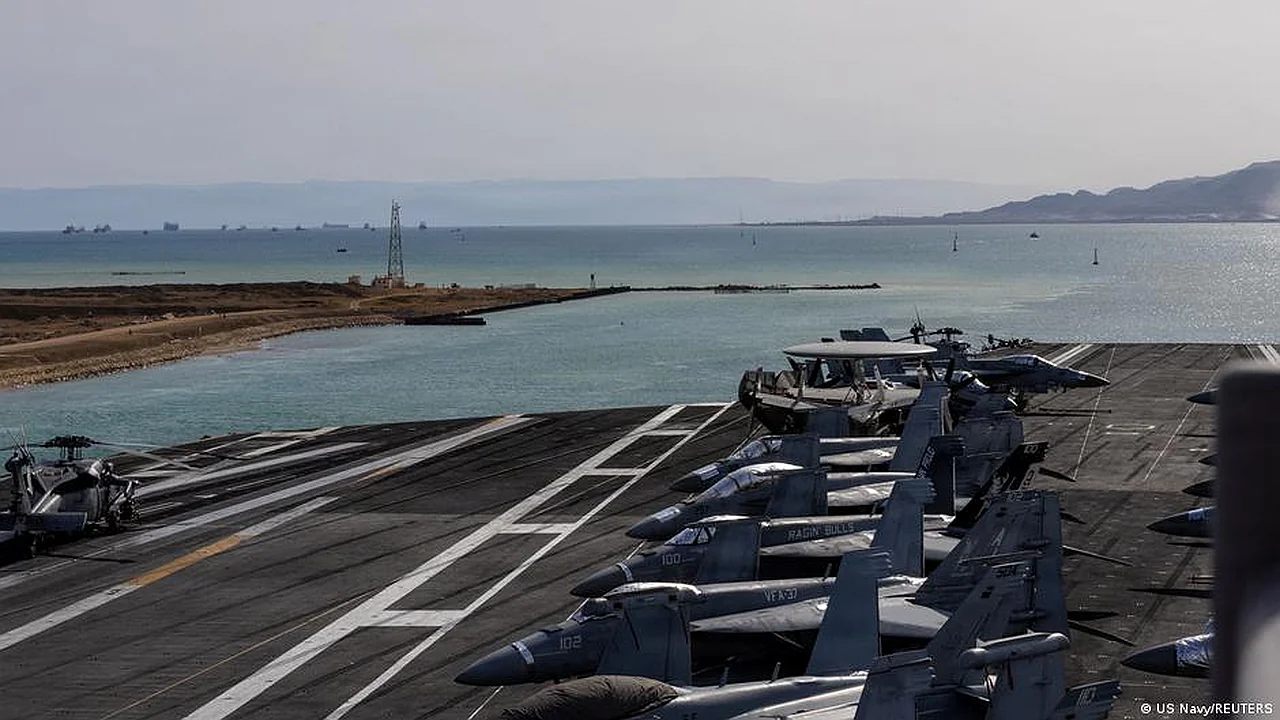
Against the backdrop of escalating tensions between the United States and Iran, Washington is taking serious measures to strengthen its military position in the region. This was reported by Zamin.uz.
According to international media reports, the US Navy has accelerated the deployment of amphibious ships and a Marine contingent to the Middle East. The USS Boxer, which forms the core of this military group, departed from the West Coast one day ahead of schedule.
This flotilla also includes the 11th Marine Expeditionary Unit, along with the supporting vessels USS Portland and USS Comstock. It has been reported that this group comprises at least 2,200 service members.
Due to the escalating situation in the region, the ships are carrying not only personnel but also modern F-35 fighter jets, various missiles, and specialized military equipment. Observers believe that up to 4,000 soldiers could participate in this military deployment process in the future.
This move is fueling speculation in Washington that the conflict with Iran may not be limited to air and naval warfare but could also expand into broader ground operations. The administration led by President Donald Trump is currently examining several military scenarios.
Among these options are sending thousands of additional troops to the region, reopening the Strait of Hormuz for security purposes, and deploying ground units to Kish Island, which has become a major hub for Iranian oil exports. While Trump has not yet made an official announcement about sending new troops, he emphasized that the US is ready to take all necessary measures to keep the situation under control.
These events occurred following the initial air strikes by the US and Israel on Iranian territory, which began on February 28 of last year. Since that day, Tehran has continued missile and drone attacks along the Persian Gulf and towards Israel.
Iranian officials claim to have established full control over the Strait of Hormuz, one of the world's most critical energy routes, and state that they have disrupted movement in the region. Currently, leading world nations are maintaining an observer role to prevent the situation from escalating further.