


Mujtaba Xominaiy's absence is raising doubts about his leadership abilities.
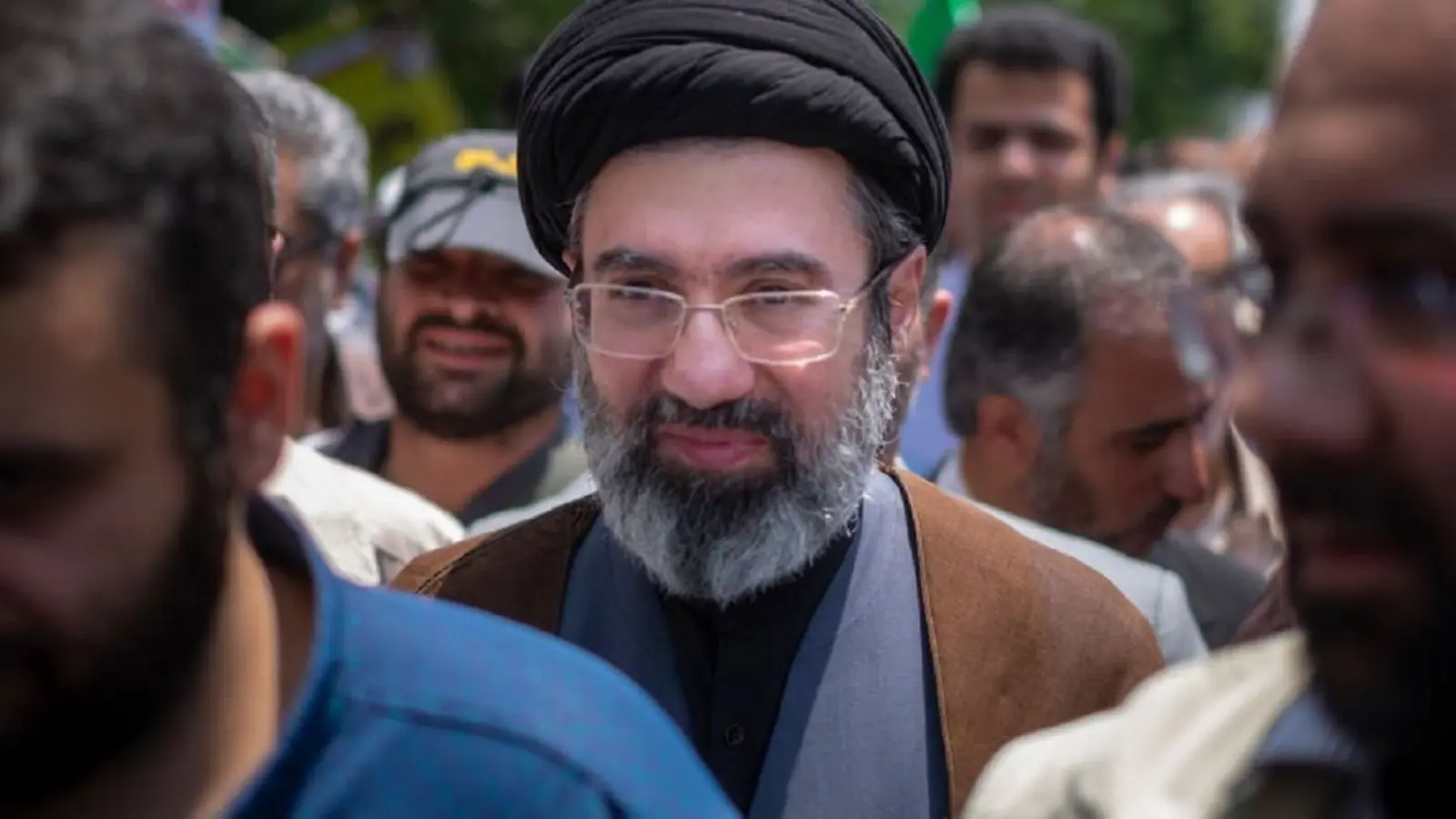
According to Axios agency, the public absence of Ali Khomeini's son, Mujtaba Khomeini, is causing serious doubts about his leadership ability. This was reported by Zamin.uz.
Sources emphasize that he has hardly appeared in public recently, which is intensifying the questions. Since the military actions started by the US and Israel, Mujtaba has not been seen.
On March 12, he did not address the public himself but had another person read his message. Also, although another address was made on March 20, it was also presented in written form.
According to sources, US and Israeli intelligence agencies expected Mujtaba to make a live appearance on the occasion of the Nowruz holiday, but this hope was not fulfilled and was limited to a written statement. This situation has raised more suspicions about the circumstances.
One of Israel's high-ranking officials commented, "There is no clear evidence whether he is really making decisions or not." Another source described this situation as very strange.
One source says it is unlikely that the Iranians will take major steps to choose him as the supreme leader. Also, there are no clear facts confirming his active participation in the country's governance.
Therefore, the verification of the latest photos and information distributed by the CIA is ongoing. Meanwhile, Masoud Pizishkian is noted to have made a video address to the public.
This indicates that he is active in other areas of the state leadership. One source concluded, "We would have liked to see him live at least once, but he did not appear, and this causes serious concern."
Earlier, Reuters agency reported that Mujtaba Khomeini was lightly injured in an attack in early March. According to The Telegraph, he survived serious injuries because he was walking in the garden shortly before the attack.
Iranian officials also acknowledged his injury but emphasized that the injuries are not serious and his life is not in danger. Overall, the uncertainties surrounding Mujtaba Khomeini and his absence from the public eye raise new questions about the future of political processes in Iran.
This situation remains at the center of attention not only within the country but also internationally.