Washington is tightening the blockade to collapse Iran's economy
The political situation in the Near East has taken an extremely grave turn. Zamin.uz reported on this.
Long-term and complex negotiations held in Islamabad yielded no results. Consequently, Washington decided to increase pressure on the Tehran government and implement drastic measures.
This economic and military blockade, which could fundamentally change world politics, poses a serious threat to stability in the region. After the opportunity to reach an agreement with Iran was lost, US President Donald Trump openly indicated the possibility of implementing a naval blockade.
The head of the White House did not hide his intentions in social media posts and sent a stern warning to Tehran. According to analysts, Washington plans to completely close oil routes to collapse the Iranian economy.
This method had previously been applied to other states as well. Currently, massive US military capabilities have been gathered in the Persian Gulf and nearby areas.
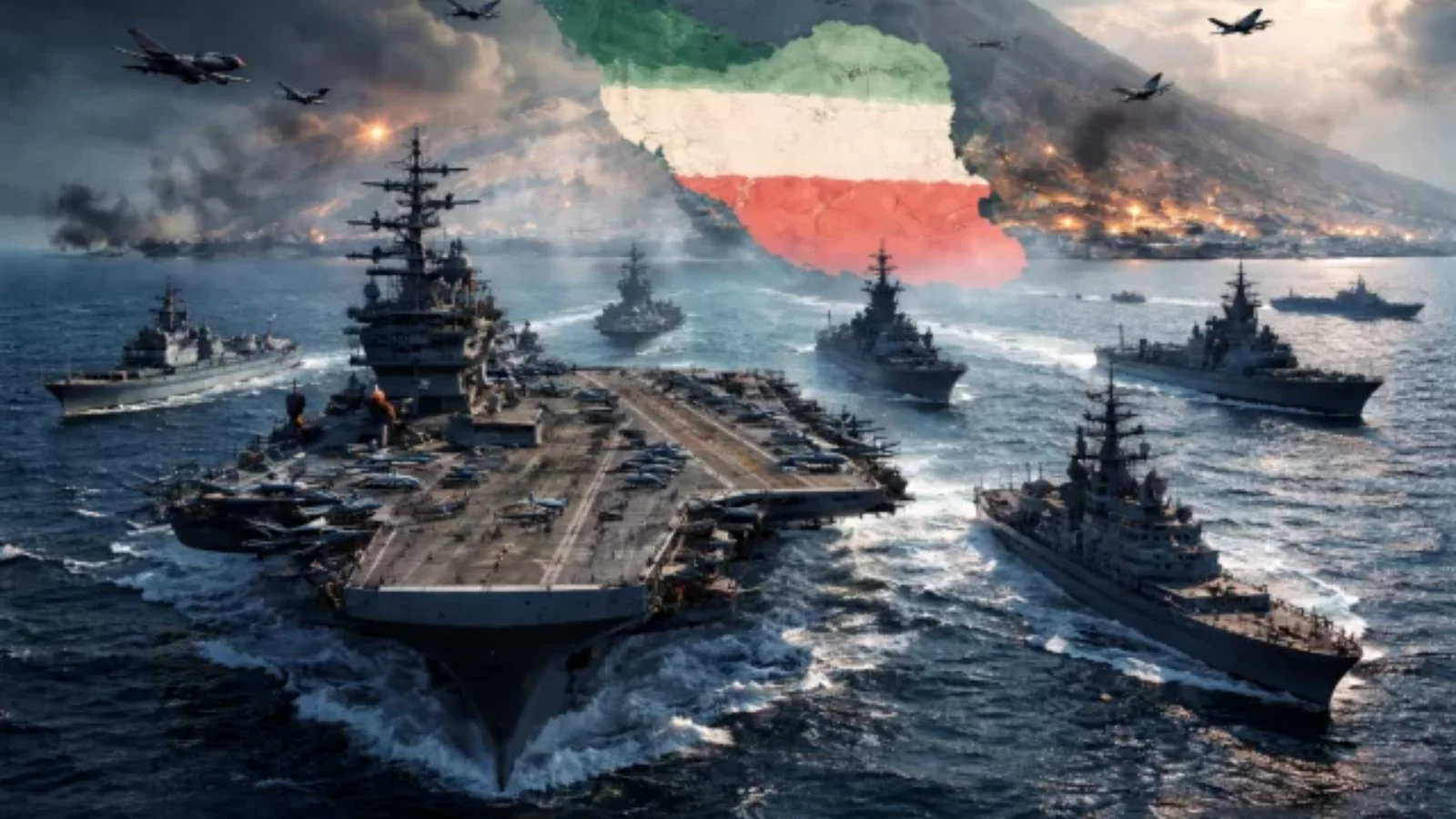
The situation is so serious that three major aircraft carrier strike groups have been put on alert in the region simultaneously. While the USS Gerald R.
Ford is located in the Red Sea and the USS Abraham Lincoln in the Arabian Sea, the USS George H. W.
Bush will also arrive at its destination soon. Such military force allows for the cessation of all of Iran's maritime trade relations without entering into a direct clash.
Iran currently exports nearly two million eight hundred thousand barrels of oil per day and is earning significant income due to high prices on the global market. A naval blockade could deprive Tehran of tens of billions of dollars every month.
This is equivalent to cutting off the state's primary financial sources. The US Central Command has already entered into practical actions.
Specifically, work has begun to neutralize mines installed by Iran in the Strait of Hormuz. The twenty-one-hour marathon negotiations held in Islamabad took place in an extremely tense spirit.
The parties were unable to reach a compromise on the nuclear program and the status of the Strait of Hormuz. There were even reports that serious disagreements arose between diplomats during the negotiations.
While the US side stated it would not back down from its conditions, Iran also refused to yield. Now, diplomatic avenues are nearly closed, and it seems the turn has come for the use of force and a policy of economic blockade.
The situation in the region can change every hour, and the international community is watching the emerging tension with concern.