


USA imposed a naval blockade on Iranian ports
The international community's attention has once again turned to the Middle East region. Zamin.uz reported on this.
Long-standing political tensions between the United States and Iran are moving from the field of diplomacy to the stage of practical military actions. The situation took a sharp turn after multi-hour negotiations held in Islamabad failed to produce the expected results.
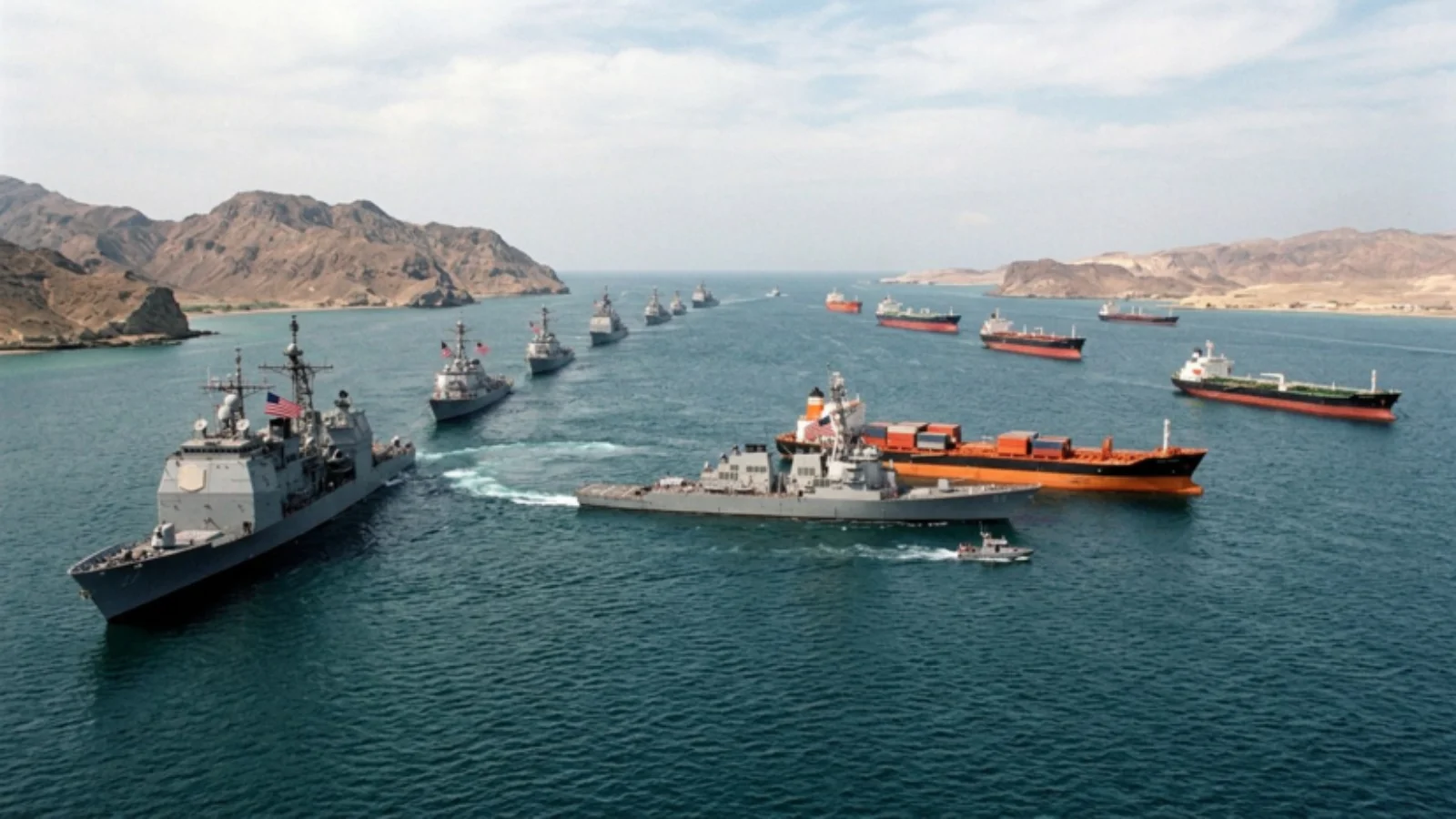
The White House administration announced that it has begun taking decisive measures. In accordance with President Donald Trump's order, the United States Central Command imposed a naval blockade on Iranian ports starting from 19:00 local time on April 13.
This restriction covers all Iranian coastal areas in the Persian and Oman Gulfs. Although the American side stated that it would not obstruct the movement of international cargo ships, all transport vehicles entering and leaving Iran have been placed under strict control.
The 21-hour negotiation process in the Pakistani capital ended in failure. Issues regarding Tehran's nuclear program and the establishment of control over the Strait of Hormuz remained the primary causes of disagreement.
The Iranian side is demanding to retain the right to collect duties from ships passing through the strait. Washington, however, viewed this action as blackmail against international trade.
US Vice President James David Vance emphasized that this disagreement would lead to severe consequences for Iran. The instability in the political climate had an immediate impact on the global energy market.
Following reports that negotiations had reached a deadlock, the price of Brent crude oil rose to 102.50 dollars per barrel. This situation is raising serious concerns in the global economy.
Iranian Navy Commander Shahrom Irani sharply criticized this step by the US and stated that his fleet is ready for any pressure in the region. In turn, Donald Trump remained firm in his position, emphasizing that any aggression against civilian ships would be met with a response.
Currently, the situation in the Strait of Hormuz is extremely dangerous. The US accuses Tehran of blocking the waterway with mines and is preparing to begin clearing operations.
The Iranian government, meanwhile, refuses to open the international waterway until a political agreement is reached. While diplomatic dialogue is being replaced by military threats, the international community continues to watch the development of events with concern.
Everyone is wondering how this conflict will conclude in the future and how it will affect the global market.