The era of Viktor Orbán in Hungary has ended as the opposition won victory
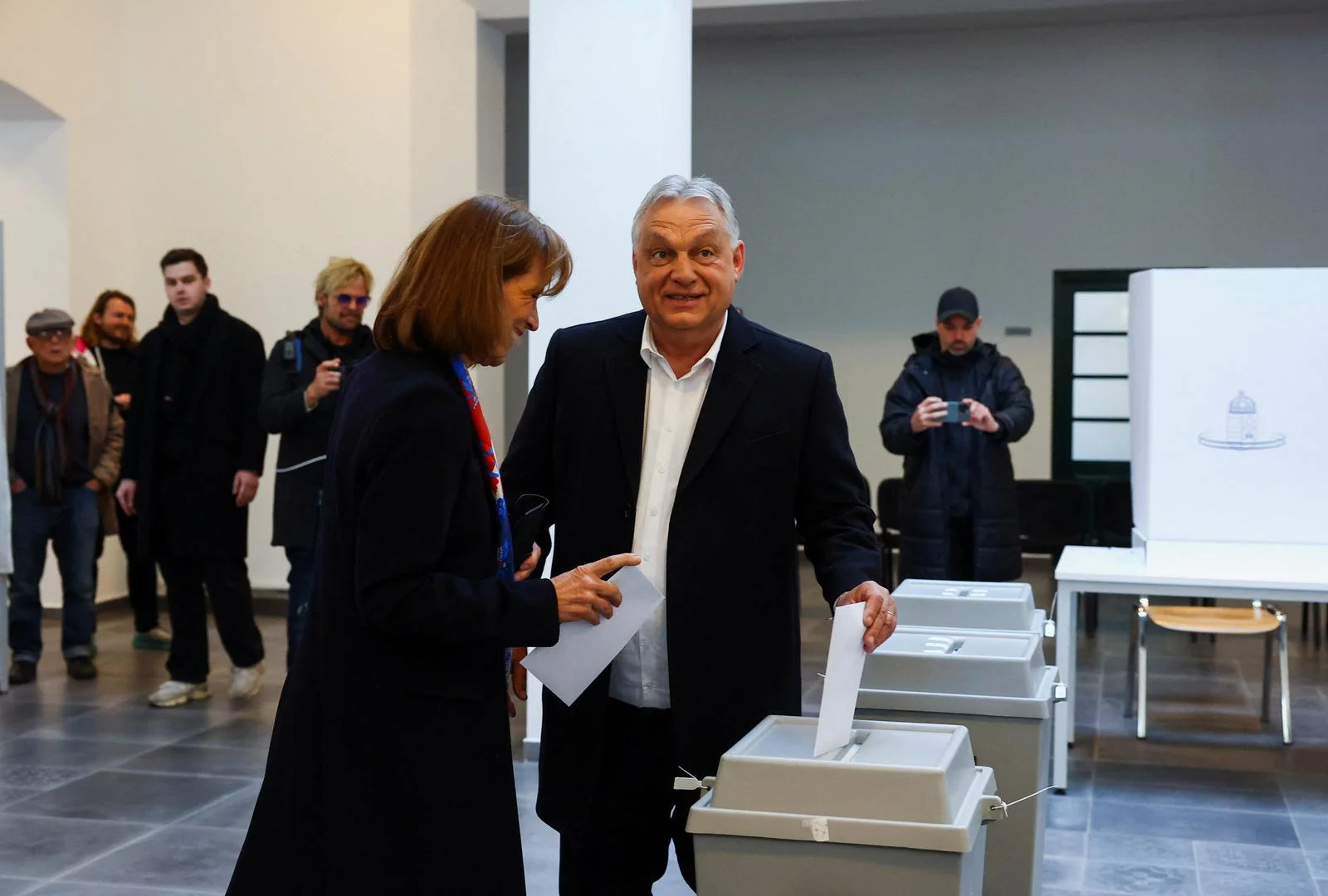
The parliamentary elections held in Hungary on April 12 of this year have created a fundamental turning point in the country's political life and across the entire European Union. Zamin.uz reported on this.
As a result of prolonged political processes, a sixteen-year period of governance has come to an end, and serious changes have occurred in the power structure. According to the election results, the Tisa opposition party, led by Peter Magyar, gained an absolute majority in parliament.
The current Prime Minister Viktor Orban and his Fidesz party failed to receive sufficient votes from the electorate. According to calculations, the opposition secured one hundred thirty-eight of the one hundred ninety-nine seats in parliament, while the ruling party was limited to only fifty-five seats.
Political analysts evaluate this result as a major defeat not only for Hungary but also for populist movements on a global scale. It appears that Viktor Orban's pursuit of a path separate from European Union policy and his establishment of close ties with Russia during his sixteen-year tenure evoked a sense of fatigue among the Hungarian people.
According to experts, voters chose to abandon the authoritarian style of governance and return to European values. Political scientist Otabek Akromov noted that Orban's defeat was a serious blow to international forces opposed to the liberal order.
His neoliberal democracy model is now losing its significance. Analyst Muhammadqodir Sobirov emphasizes that the new government has inherited a quite complex legacy.
In particular, the country's strong dependence on Russia in terms of economy and energy systems is considered the biggest problem facing the new leadership. According to international observers, these changes in Hungary will reshape the political balance within the European Union.
Orban's departure indicates the beginning of a new direction in European politics. Overall, these elections have opened a new page in Hungarian history and provided an impetus for a change in the political climate on the European continent.
Now, all attention is focused on what reforms the new government will implement.