


Rickshaw Ban in Herat Sparks Public Outcry
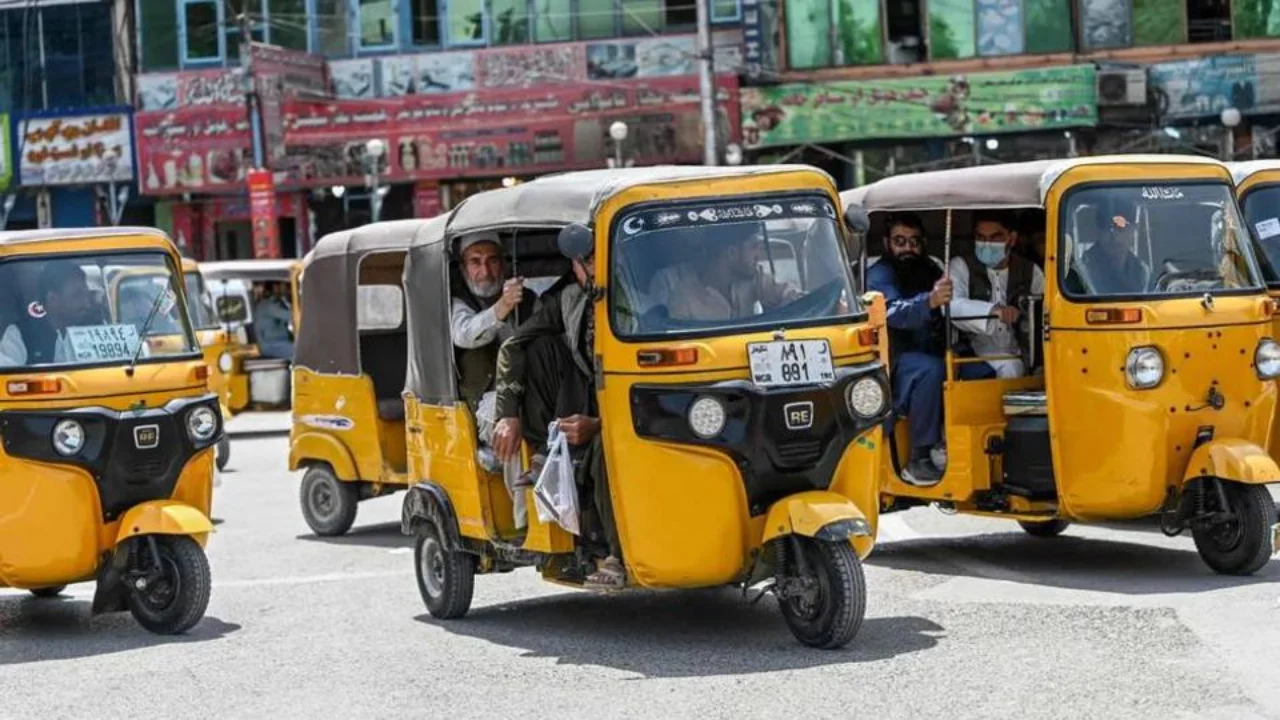
In the Afghan city of Herat, restrictions imposed by the Taliban interim government on three-wheeled vehicles, known as rickshaws and common across Middle Eastern countries, are causing a severe social and economic crisis. According to Amu TV, although these restrictions have been in place for four months, enforcement measures have escalated to unprecedented levels in recent days.
Traffic police are stopping dozens of drivers daily, forcibly taking their vehicles to impound lots. Initially, these small-capacity vehicles were only prohibited from entering the city's main streets.
However, over time, the scope of this decision expanded, severely hindering the daily activities of drivers. Today, rickshaw drivers are regularly pursued and heavily fined not only in the center but also in other areas of the city, leading to sharp protests from the drivers.
According to expert estimates, nearly 50,000 people in Herat may have completely lost their only source of income as a result of these restrictions. While these figures are not officially confirmed, the sharp rise in unemployment in the region is a distressing reality.
Most drivers emphasize that they purchased their rickshaws using all their savings or by taking out loans, and finding new jobs in the current dire economic climate is nearly impossible. Amidst the economic crisis, the market value of rickshaws has also plummeted.
Vehicles previously valued at around 160,000 Afghani have now dropped two to three times in price, falling to between 50,000 and 80,000 Afghani. Many drivers are in a desperate situation, unable to pay rent or repay debts.
Local residents are calling on the interim government to reconsider this decision and allow people to earn a living. Uncertainties regarding the process of reclaiming confiscated vehicles are further complicating the situation.