


International criminal group that illegally sold human organs exposed in Pakistan
An international criminal group involved in the illegal collection, processing, and export of human hair has been exposed in Pakistan, Zamin.uz reported.
The country’s Federal Trade Agency has launched a large-scale investigation into the matter. According to information gathered during the operation, members of the network purchased an average of 200 kilograms of human hair per month from various medical institutions.
After treating the raw material in special facilities, they exported it abroad. During a swift raid in Islamabad, approximately 500 kilograms of human hair were seized from a facility engaged in illegal activities as material evidence.
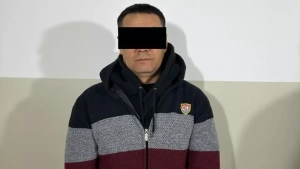
Five suspects linked to the criminal activity were detained at the scene. Additionally, a suspicious shipment weighing 100 kilograms, intended for export to Vietnam and halted at the capital’s international airport, was also stopped.
Inspection confirmed that the cargo consisted entirely of human tissue. It was established that the suspects bought each kilogram of hair from hospitals for approximately 800 rubles.
From the processed material, expensive injections that slow down the aging process were produced. According to reports, the price of a single dose of such a preparation on the market reached up to 700,000 rubles.
Investigators believe that the criminal network’s operations extend beyond the capital to other major cities in the country. Currently, some hospital staff, waste disposal company employees, and other responsible individuals are being scrutinized for possible involvement in this illegal trade.
Under Pakistani law, individuals involved in the illegal sale of human organs or tissues for commercial purposes may be deprived of liberty for up to ten years and face substantial fines. Experts consider human hair to be a potentially hazardous medical waste and emphasize that its disposal must strictly follow established procedures.
Although some circles believe that substances contained in it possess rejuvenating properties, the scientific basis for this claim remains controversial to this day.