



Water temperature in the world ocean will break another historical record
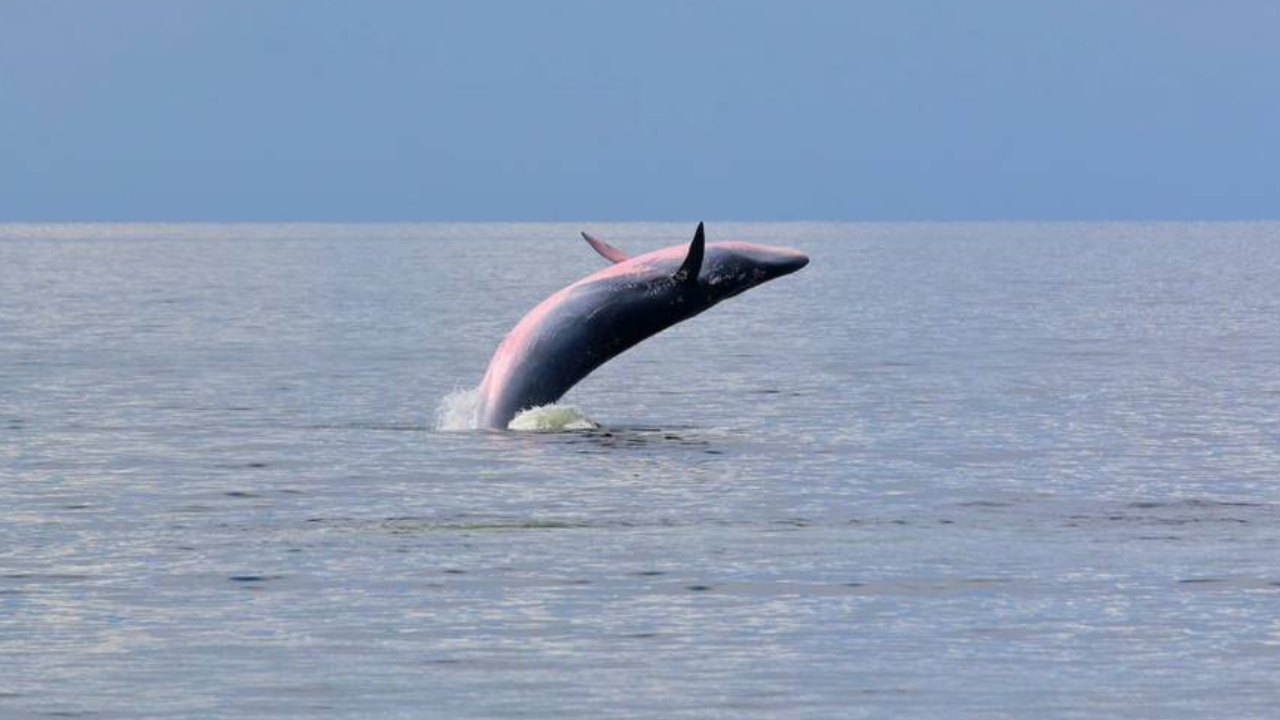
The water temperature of the world's ocean will once again break a historical record. This was reported by Zamin.uz.
According to information provided by experts, this situation is not merely another climate indicator, but a serious sign that global warming processes on our planet are intensifying with even greater vigor. Such changes in the ocean ecosystem directly affect the global climate and threaten the balance of nature.
According to a report provided by the Copernicus Marine Service, the average surface temperature of the world's ocean reached 21 degrees in June of this year. It was determined that this figure is higher than all record levels recorded during the corresponding periods of 2023 and 2024.
Observations show that the highest temperature indicators were mainly observed in the tropical and subtropical regions of the Pacific Ocean, off the coasts of Chile and California, as well as in the North Atlantic and the western coasts of Europe. During the first six months of this year, the average temperature of the world's ocean was 20.94 degrees.
This result was recorded as the second highest indicator in the history of observations. The situation in the Mediterranean Sea is also causing concern among experts.
While the water temperature here exceeded 18 degrees during the first half of the year, by June, the sea surface heated up to 24.3 degrees. This is the highest indicator during long-term scientific observations.
According to scientists' calculations, the abnormal heatwaves that have continued since the beginning of the year have affected nearly 82 percent of the world's ocean surface. Therefore, continuously monitoring changes in the oceans using high-precision equipment is of utmost importance today.
Experts cite the El Niño climate phenomenon as one of the main reasons for this process. This natural phenomenon leads to an abnormal increase in water temperature in the central and eastern parts of the Pacific Ocean and alters the weather system across the entire planet.
Oceanologists emphasize that oceans have the ability to absorb the majority of the Earth's excess heat energy. Therefore, any sharp rise in water temperature is considered the most fundamental and accurate indicator of the processes occurring in the global climate.
The continuation of such warming processes could lead to the extinction of marine creatures, the melting of glaciers, and the rise of sea levels.


![Fransiya Usmonova proposed removing [the name] from the sanctions list](/uploads/mini/web-300/04/e8d7de74763e0760c29bdbfd3d91b77a.webp)