Olympics Shed New Light on How Stonehenge Was Built
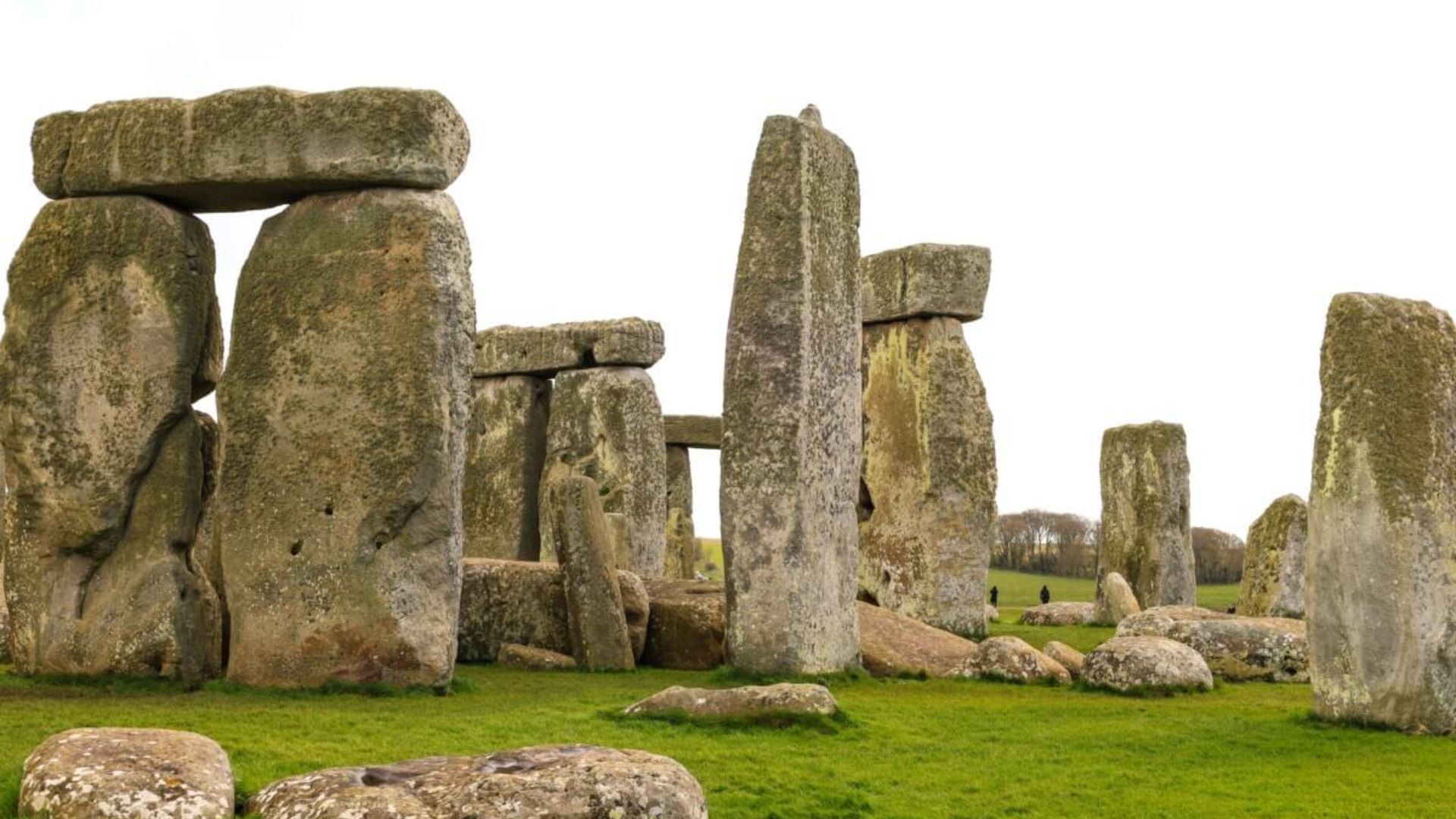
Dr. Susan Greaney, a researcher at the University of Exeter, has proposed a new scientific estimate of how the massive stones used in the construction of Stonehenge were transported, as reported by Earth.uz.
The Independent provided detailed information on the findings of the study, which was conducted in collaboration with English Heritage.
According to the researchers, Stonehenge, believed to have been erected around five thousand years ago, was originally constructed from bluestones brought from Wales. Several centuries later, these were replaced by much heavier sarsen stones.
It is known that each of these megaliths weighs approximately twenty-five tons and was transported from the Marlborough Downs area, located about twenty-four kilometers from the monument. By analyzing historical images that fell in Indonesia about a century ago, scientists concluded that the megaliths may have been moved along specially constructed wooden tracks, or what could be described as unique rails.
As Dr. Susan Greaney noted, it was previously thought that the giant stones were moved using wet channels. However, newly discovered evidence is casting doubt on this theory.
In her view, the builders of Stonehenge likely used wooden sledges, especially in marshy or difficult terrain. The researchers assessed that Neolithic people possessed sufficient skill in working with wood to construct such complex installations.
The total length of these wooden pathways is estimated to be around five kilometers. Experts also emphasize that both men and women likely participated together in the heavy labor of moving the stones.
This idea is supported by the discovery of large feast remnants in the Darrington Walls area, where the builders are believed to have resided.
Today, Stonehenge, under the care of English Heritage, is considered one of the most famous historical monuments in the world.
Over a million visitors come to see this mysterious monument each year.



![Fransiya Usmonova proposed removing [the name] from the sanctions list](/uploads/mini/web-300/04/e8d7de74763e0760c29bdbfd3d91b77a.webp)