Scientists have found a way to completely cure type 1 diabetes
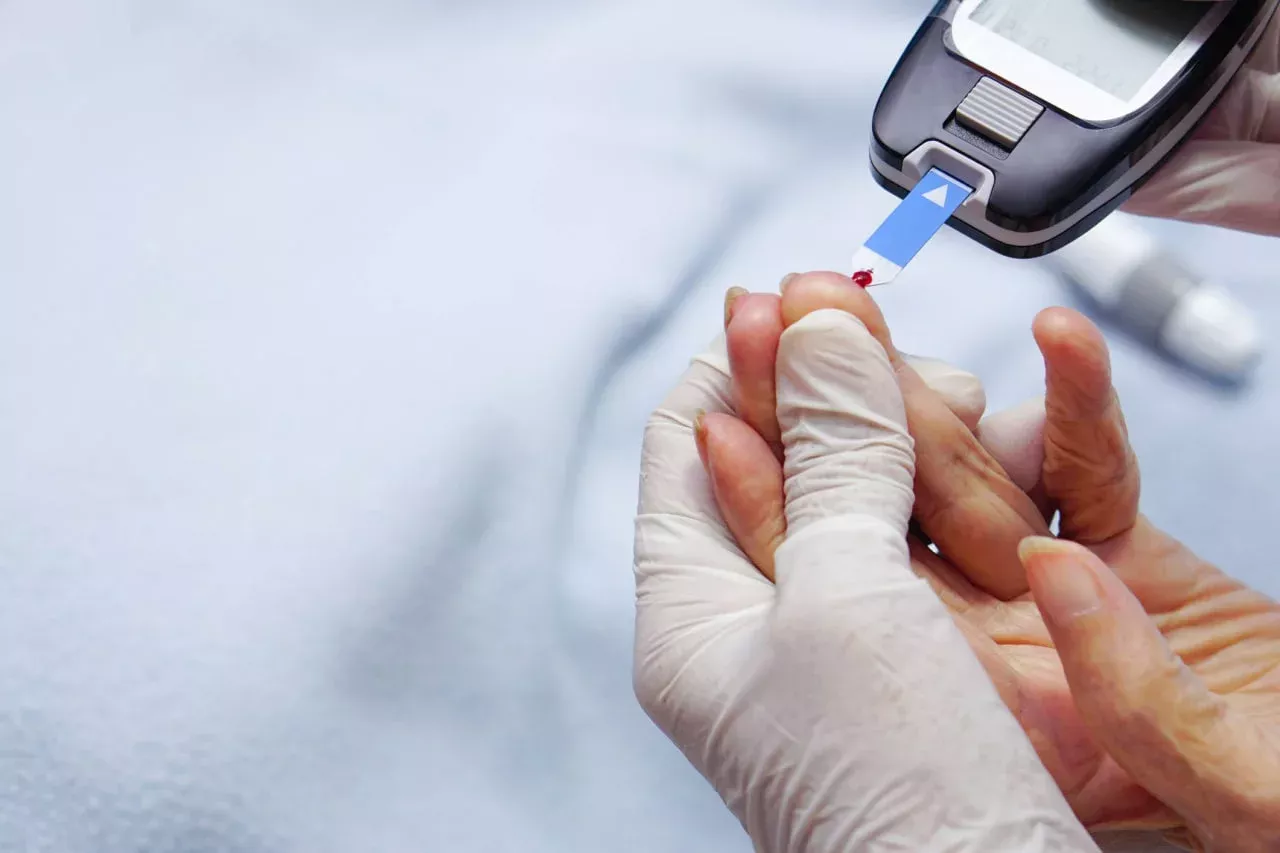
Photo: Getty images
Scientists have achieved significant breakthroughs in the treatment of type 1 diabetes. They discovered a new method of transplanting insulin-producing cells along with blood vessel-forming cells. This approach successfully halted the progression of the disease in laboratory mice. Thus, the possibility of developing treatment methods for type 1 diabetes in humans has emerged.
How does type 1 diabetes occur?
Type 1 diabetes arises when the immune system begins to attack the islet cells of the pancreas. These cells are responsible for producing the insulin hormone, which facilitates the transfer of glucose from the blood into the cells. As a result of the disease, the pancreas stops producing insulin, losing the ability to process sugar entering the body, and the person must receive insulin injections from outside to continue living.
Scientists have been searching for a way to treat this disease for many years. There have already been notable successes in the field of islet cell transplantation, but simply transplanting them is not enough — they require a favorable environment to survive and function. The fact is that the pancreatic islets are surrounded by a dense network of blood vessels, and artificially reconstructing this network is extremely challenging.
How does the new method work?
Specialists from Weill Cornell Medical College proposed an unconventional solution to this problem: they decided to transplant special recombinant R-VECS cells along with islet cells that form blood vessels. R-VECS are created from ordinary vascular cells in the laboratory. In experiments, R-VECS formed a complete network of blood vessels, which fully supported the viability of the transplanted islets.
Researchers transplanted islet cells and R-VECS cells together into a group of mice suffering from diabetes. The results were astonishing: the transplanted cells began producing insulin and formed a complex network of blood vessels. As a result, the glucose levels in the animals' blood normalized and remained stable for over 20 weeks. In the experiment, another group of mice received only islet cells without R-VECS. Consequently, their insulin levels were significantly low.
According to study co-author Professor David Redmond, the islet cells transplanted with R-VECS successfully adapted to the new environment.
The safety and efficacy of the method will be evaluated during studies conducted before clinical trials. If these studies are successfully completed, the next phase will involve clinical trials in humans. Such technology could serve as a basis for creating a new method for treating type 1 diabetes in the near future, within a few years.