




How was the title "Senimi, shoshmay tur!" chosen?
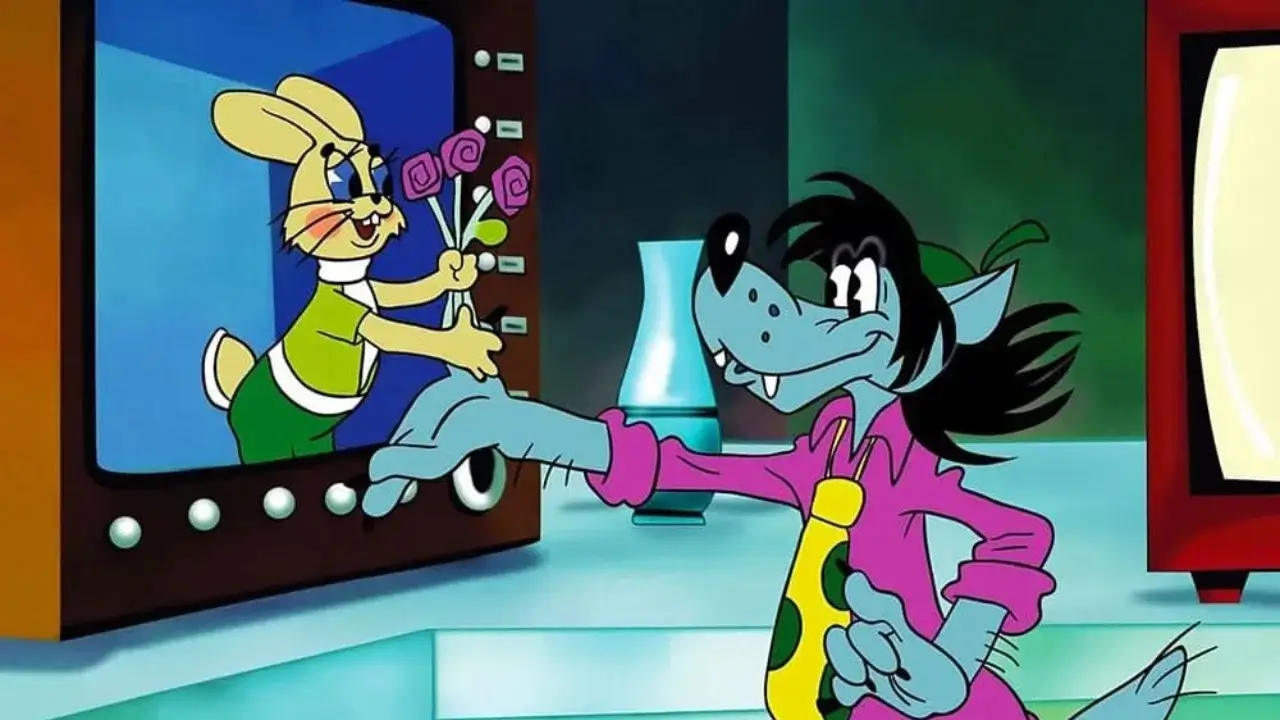
The animated film "Senimi, shoshmay tur!", which first appeared on screens in May 1969, has remained one of the bright and sincere symbols of childhood in the memories of many generations. This was reported by Zamin.uz.
This cartoon, which has become a classic of Soviet animation, depicts the funny, somewhat mischievous, and relentless chases between a wolf and a hare. However, many viewers have been searching for an answer to one question for years: why was the cartoon given this particular title?
First of all, the title of the cartoon reflects its main idea and the essence of the plot. In each episode, the wolf chases the hare, trying to catch him, but every time he fails.
Interestingly, at the end of the episodes, the wolf’s words “Senimi, shoshmay tur!” are heard in a tone mixed with anger and humor. This phrase hints at the wolf’s next attempt and arouses the audience’s interest in the next episode.
This phrase increases the dynamics of the cartoon and gives it a unique character. The creators of the cartoon initially considered a different title for the project.
They proposed naming it “The Wolf and the Hare,” but this name was found to be too simple and lacking appeal. As a result, a search began for a short, memorable, and attention-grabbing title.
As a result of these efforts, the phrase “Senimi, shoshmay tur!” was chosen because it accurately reflects the wolf’s character, impatience, and humorous anger, giving the cartoon its distinctive spirit. Additionally, the phrase “Senimi, shoshmay tur!” was widely used in everyday speech in the Russian-speaking environment of that time.
For this reason, the cartoon’s title was close and understandable to viewers, which made it even more popular. The success and fame of the cartoon are largely connected to the harmony between its title and content.