


The issue of improving the tax system in the field of culture was discussed
The issue of improving the tax system in Uzbekistan's cultural sector has sparked widespread discussion. Zamin.uz reported on this.
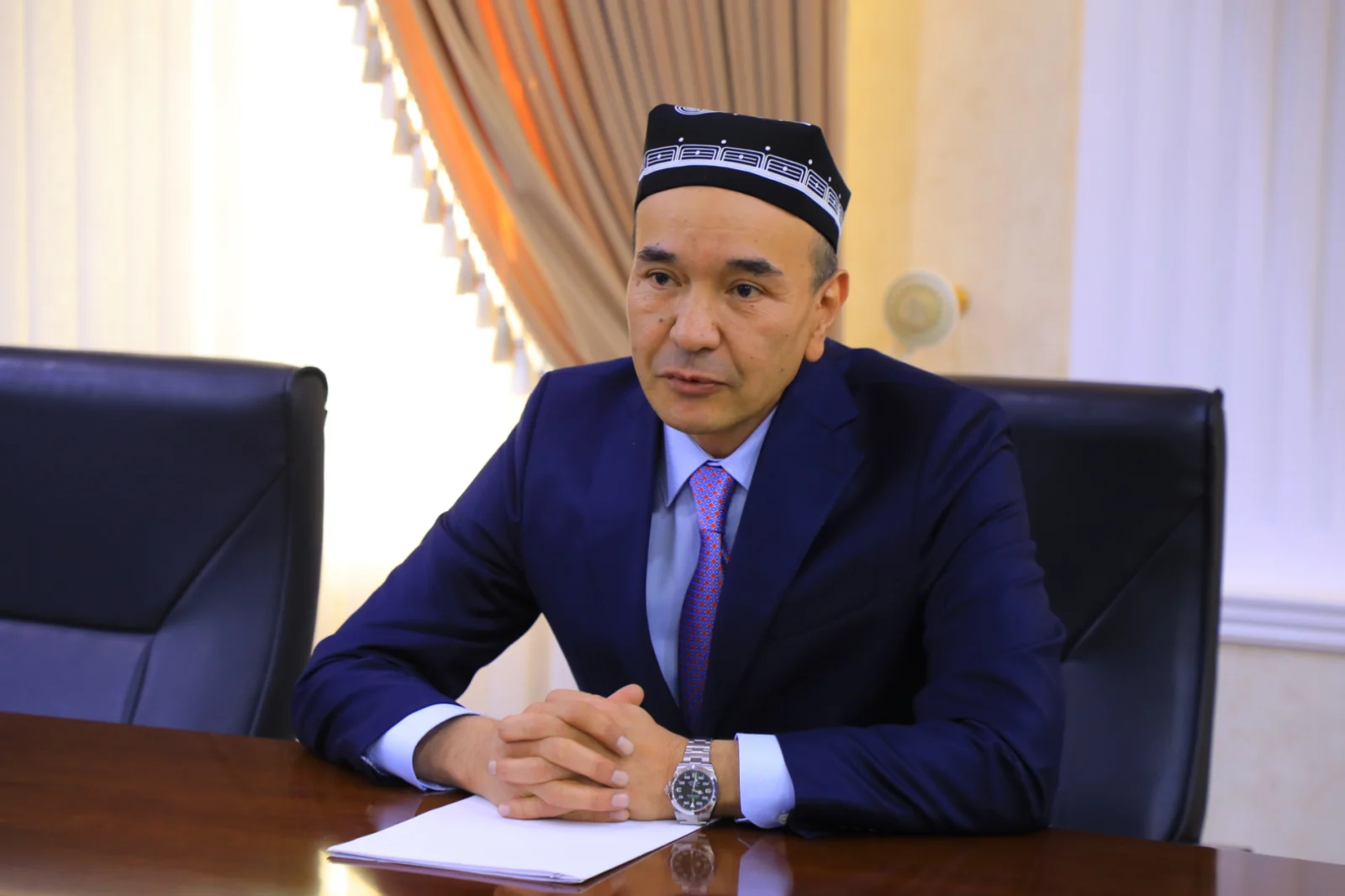
During a recent open dialogue, Minister of Culture Ozodbek Nazarbekov shared his views on new regulations regarding tax payments for artists. This topic has opened up discussions that interest not only the creative community but society as a whole.
The Minister noted that currently, singers and artists engaged in concert activities are effectively paying taxes. However, it has been observed that many performers do not understand how this process works or do not recognize payments made through various sources as taxes.
Ozodbek Nazarbekov pointed out that this issue is not yet a final decision but is in the project stage, and he drew attention to the lack of knowledge regarding tax matters among some artists. At the same time, the minister sharply criticized the idea of refusing to pay taxes.
In his opinion, paying taxes is not a matter for discussion, but rather the duty of every citizen to the state. He emphasized that it is precisely through taxes that peace, education, and economic stability are ensured in the country, as well as the implementation of infrastructure projects.
According to the new regulations, by September 1, 2026, a system will be introduced to officially register all concert and performance services via the Tax mobile application. This system is based on the principle of a single payment for one service.
The income tax for performers may be set from 0.25 to 3 times the base calculating amount, depending on their rating. Fines are provided for those who do not comply with the rules.
These reforms have been received in various ways among artists. Some performers, including People's Artist Yulduz Usmonova, expressed their objections regarding these innovations.
According to statistical data, 728 singers submitted income tax declarations in 2025. Their total income exceeded 3 billion 728 million soums, of which more than 437 million soums were calculated as tax.
These reforms are expected to serve to make financial processes in the field of art transparent and to simplify the system.