


Uzbek film wins Grand Prix at Cannes International Film Festival
Uzbekistan's national cinema has achieved another historic and significant success on the international stage, as reported by Zamin.uz.
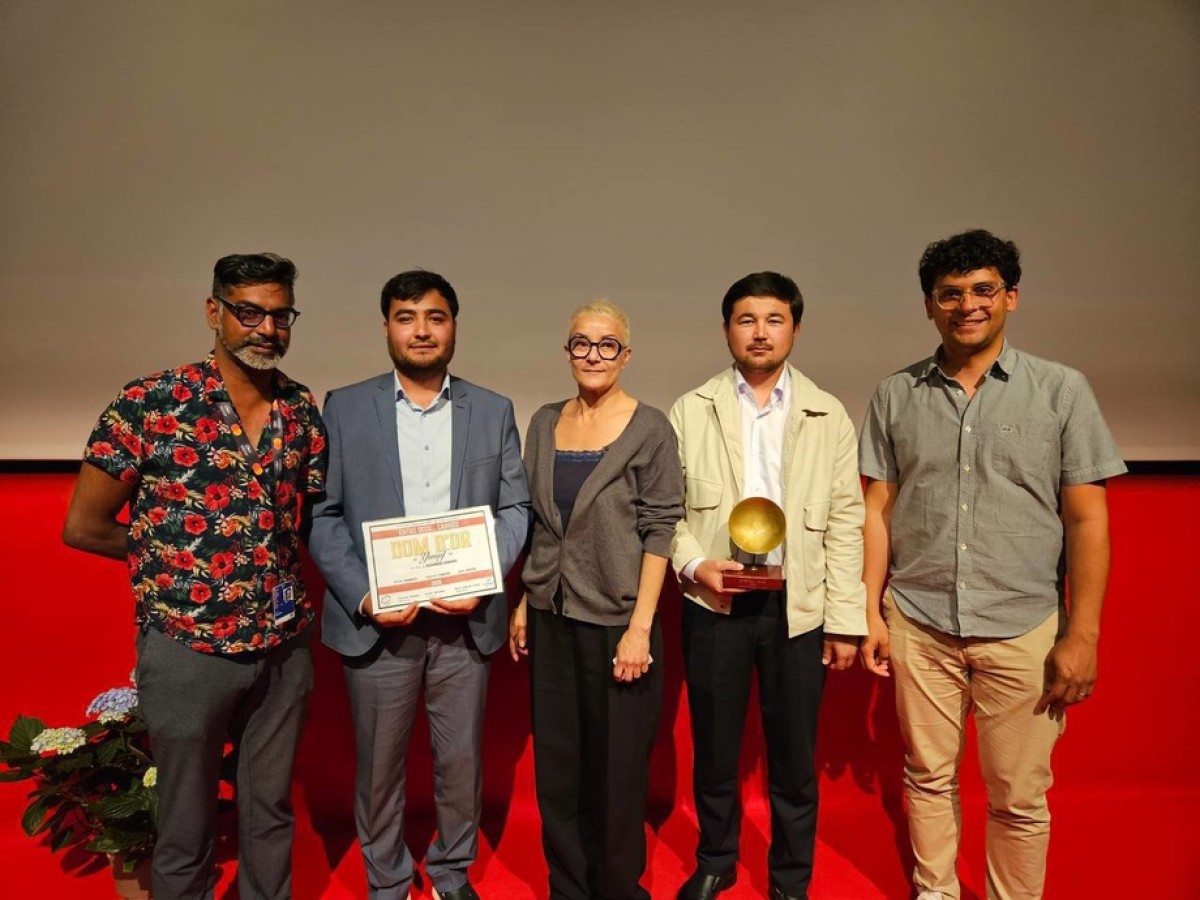
While the world-renowned Cannes Film Festival is in full swing in the French city of Cannes, Uzbekistan's representatives participated in a parallel event—the Tenth International Inclusive Film Festival—where their film was awarded the highest recognition. The short film Qadam (Step), created by our talented creators, won the festival's top prize—the Grand Prix.
It is worth noting that this creative project, although not part of the official selection of the main Cannes Film Festival, takes place simultaneously and in the same venue as an influential and independent international platform.
For this year's film forum, over six hundred applications were received from various countries across Africa, the Americas, Europe, and Asia. A strict and demanding jury panel selected more than twenty of the finest films for screening from these submissions.
Amid such strong competition, Uzbek cinema impressed international experts and jurors with its deep philosophical content, high artistic expression, and impactful ideas, earning it the highest award. The film centers on the fate of Yusuf, a boy born with Down syndrome.
Though he differs from others, his heart is filled with boundless light, a deep love for music, and unwavering faith in life. His mother, Zilola, tirelessly fights to prove to those around her that her son deserves to remain in society and is an equal human being.
The film invites every viewer to recognize human dignity, embrace kindness and responsibility, and cultivate openness. Through this work, Uzbek creators have demonstrated to the world that human potential is limitless.
This influential event is a major inclusive film week occupying a special niche in world cinema. The festival's core idea is to support works that address the lives of people with limited abilities, social equality, and overcoming difficult life challenges.
The main goal of the festival is to reduce misconceptions about people with disabilities through the power of cinematic art and to promote universal values. Notably, the jury includes both individuals with limited abilities and healthy specialists working together on equal terms.
At the conclusion of the competition, the most talented creators are traditionally awarded golden, silver, and bronze prizes. The fact that our representatives raised the highest honor on this influential stage indicates that the influence of our national cinema has reached a new level on the global scale.
This victory is not only an achievement of the creative team but also of the entire Uzbek culture on the international stage. Such successes serve as a great source of motivation for our young directors and screenwriters in the future.