Cashback payment system for purchase limits in Uzbekistan can be canceled
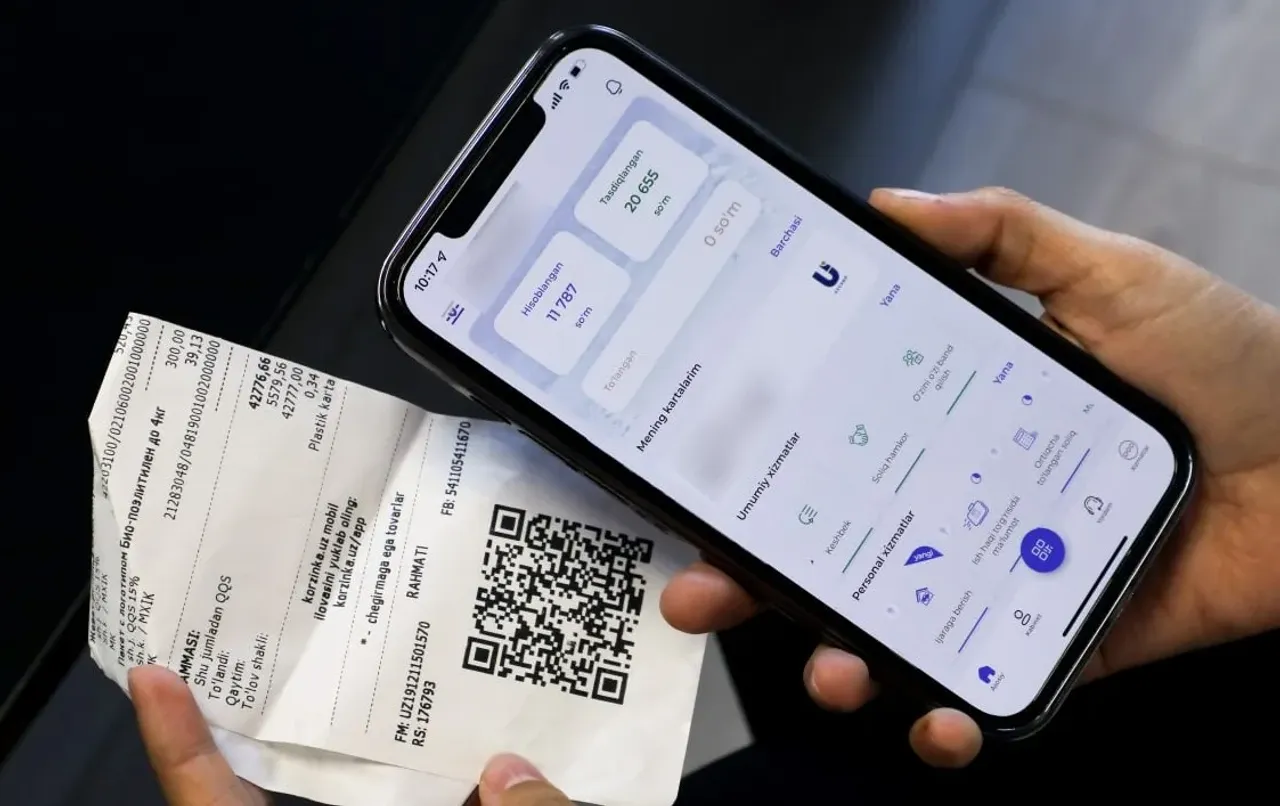
The issue of abolishing the one-percent cashback system paid for purchase checks in Uzbekistan is being considered. Zamin.uz reported this.
Specialists at the Institute under the Ministry of Economy and Finance believe that shifting to targeted support measures for the population instead of universal payments is appropriate. This proposal is being put forward to improve economic efficiency and rational use of budget funds.
According to the experts' analysis, the cashback mechanism played an important role in teaching citizens to demand purchase checks at the time. However, by today, this system has turned into an excessive expense for the state budget.
Calculations show that if the current procedure remains unchanged, the amount of funds spent on cashback payments by 2026 could reach one trillion eight hundred billion soums. For comparison, this is almost twice as much as the annual budget allocated for building new preschool education facilities.
The authors of the proposal also emphasize that the efficiency of the current system is declining. Currently, budget funds are mainly being paid for purchases in large retail chains.
However, such large enterprises already operate legally and openly, and there is no need for additional incentives to monitor tax revenues. At the same time, cases of abuse in the system are being observed.
Some individuals have been found attempting to obtain illegal cashback by formalizing fake checks even when no products were purchased. Due to the widespread implementation of online monitoring-cash machines and digital product marking systems today, the need for universal cashback in ensuring tax control has significantly decreased.
It should be noted that the expected reforms do not involve returning the value-added tax to citizens registered in the social registry. Preferences aimed at supporting vulnerable population groups will be maintained.
Instead of the cashback system, it is proposed to introduce state lotteries in sectors with high risk of tax evasion, such as general catering and small retail trade. This approach could reduce budget expenditures by almost twenty times.
As a result, annual expenses will remain around ten billion soums, and the saved funds will be directed toward other projects of social significance.