A preferential order for fueling was introduced for workers in the Rossiya
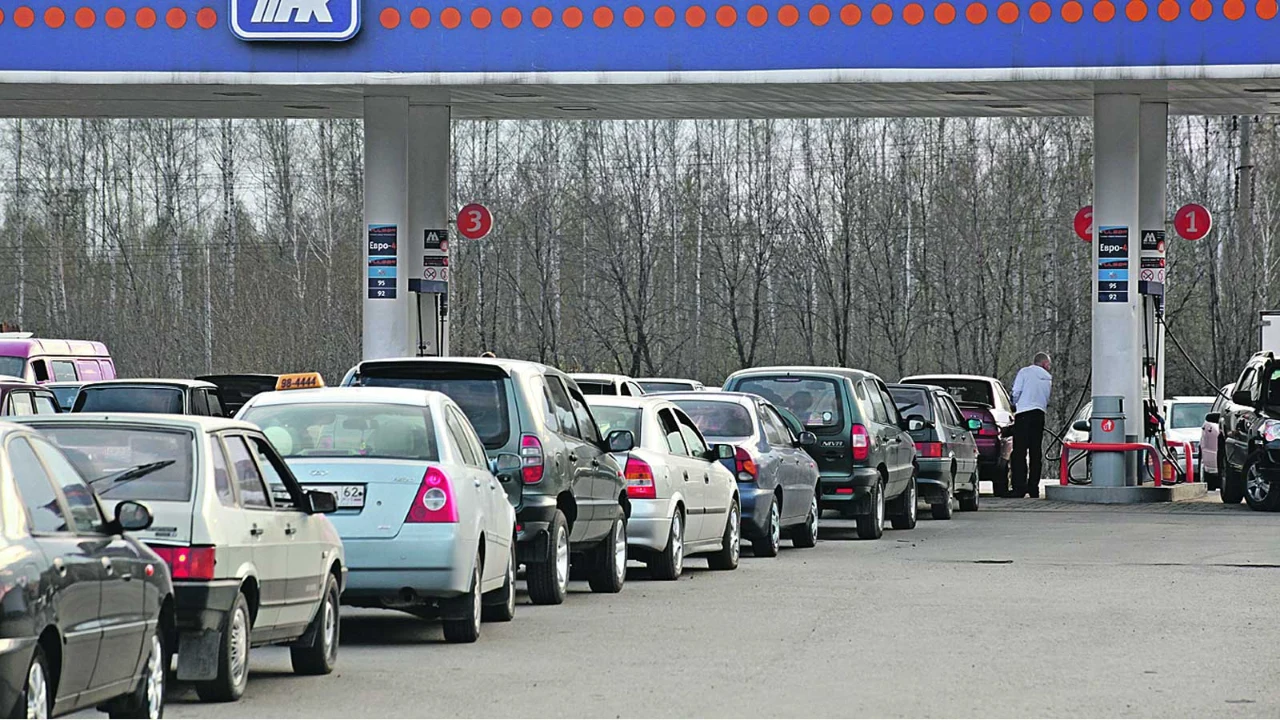
Reports have emerged that in at least four regions of Russia, fuel station operators are providing preferential gasoline service to government officials’ vehicles. This was reported by Zamin.uz.
According to local media, while ordinary drivers wait in long queues to refuel, emergency service vehicles and government agency cars are being served through a separate line. In particular, in the Saratov region, fuel sale restrictions introduced earlier have been extended until mid-July, and some gas stations there are primarily serving government employees.
Local public information outlets note that these privileges are not limited to emergency medical services, police, or special services alone. According to witnesses, employees of district administrations, government service centers, and postal communications are obtaining fuel without any issues.
There are also reports that in some cases, drivers are able to purchase fuel by using specific code words. At the same time, the general rule limiting fuel dispensing to no more than thirty liters per vehicle per day remains in effect in practice.
Similar situations have been observed in cities such as Krasnodar and Chelyabinsk. Deputies and representatives of local self-government have shared videos on social media showing fuel station staff selling gasoline only to individuals presenting service identification.
Ordinary citizens, meanwhile, are being told that fuel has run out. In the Volgograd region, it is said that gasoline is mainly being sold to customers possessing special cards — that is, local government officials.
Such fuel problems in Russia have intensified against the backdrop of attacks on oil refining facilities. In many regions, drivers are forced to wait in line for hours.
Despite this, government officials continue to assert that there is no fuel shortage in the domestic market and that reserves are sufficient. However, the actual situation and public complaints indicate serious disruptions in fuel supply.