



Housing Construction Slowing Down in the UK Due to Artificial Intelligence
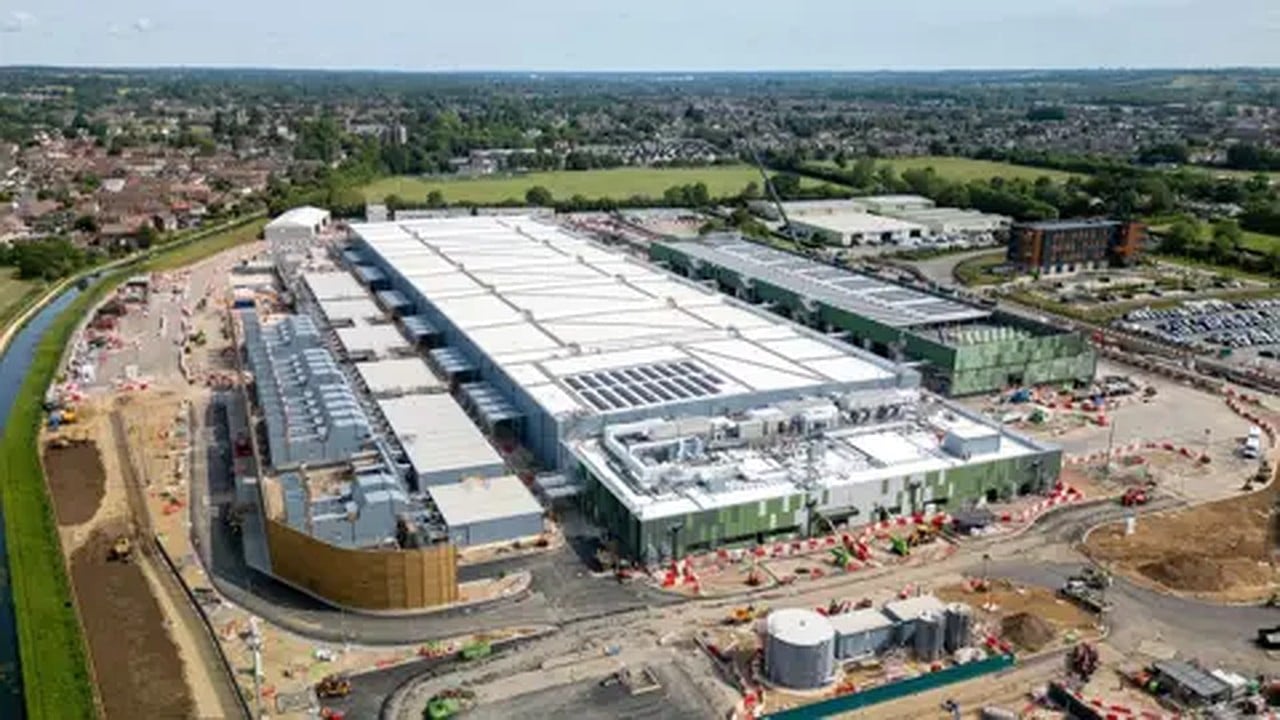
The UK government is preparing a new plan to prioritize connecting relevant data centers to the power grid in order to develop artificial intelligence. This was reported by Zamin.uz.
However, this decision has caused serious concern among builders. They fear that as a result of these measures, the construction of new residential buildings will slow down or stop.
Currently, important facilities such as hospitals and industrial enterprises across the country are waiting in long queues to connect to electricity. According to statistics, the length of these queues has increased almost fivefold in the first half of next year.
The main reason for this is the increase in modern data centers that require large amounts of electricity. As a result, many useful projects are forced to wait for years to start operating.
Based on new proposals, projects that develop the economy and create new jobs will have the right to bypass the regular queue. The government includes artificial intelligence infrastructure and charging stations for electric vehicles among such important projects.
Kanishka Narayan, the minister responsible for the field of artificial intelligence, expressed confidence that these reforms will make the country richer and fairer. Nevertheless, the builders' federation expressed dissatisfaction that new residential buildings were not included in the priority infrastructure list.
According to federation representative Steve Turner, giving preference to data centers that consume much more electricity over energy-efficient family homes at a time when the housing crisis is deepening is unfair. If sufficient attention is not paid to residential construction, there is a risk that the construction of new homes will completely stop in areas with limited electricity capacity.
Currently, more than five thousand data centers operate in the UK, consuming two percent of the country's total electricity. With the rapid development of artificial intelligence technologies, this figure is expected to increase sixfold by the next century.
In some districts of London, the power grid has already reached its maximum capacity, causing the construction of new residential buildings to be temporarily halted. This situation may further exacerbate the shortage of housing for the population in the future.
For this reason, serious negotiations between the government and construction specialists on the fair distribution of electricity must be conducted.