Spotify has introduced the ability to create audiobooks using artificial intelligence
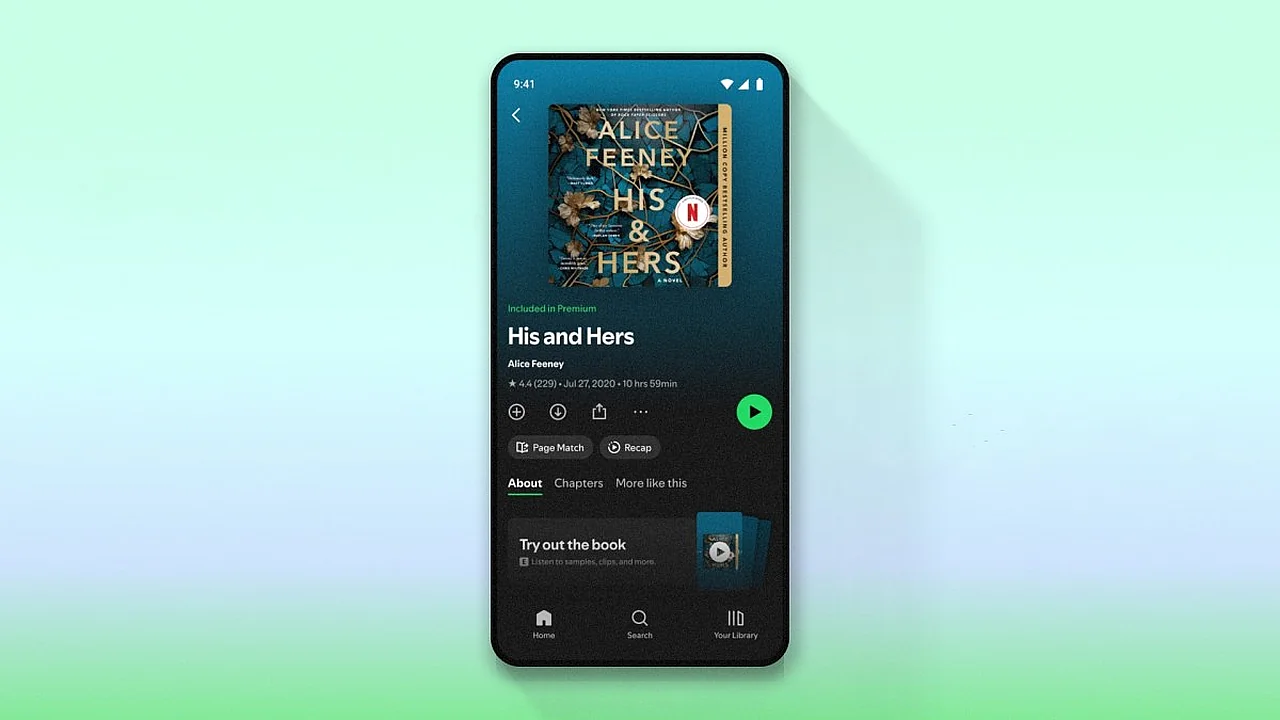
Spotify has introduced a new tool within its dedicated platform for authors that enables the creation of audiobooks using artificial intelligence. This was reported by Zamin.uz.
The innovation, based on ElevenLabs technology, was announced during a meeting with investors. The feature will be launched in trial mode starting from June of this year.
Initially, only authors who received a special invitation will be able to use it in English. Importantly, audiobooks created with this tool will not be limited to a single platform—authors will be able to easily publish their works on other services as well.
This project is the result of a long-term collaboration between Spotify and ElevenLabs. Previously, authors had to manually upload content created using the startup’s service to the platform; now, the process is fully integrated.
Although the company has previously worked with other major tech corporations on digital voice synthesis, the voice models developed through this new partnership stand out for their naturalness and precise emotional expression, enhancing the impact of the content for listeners.
At the same time, the author-focused platform is expanding its coverage to include support for ten additional foreign languages, such as French, German, and Spanish. The company is also improving its special subscription plans to enhance user convenience.
In the future, discounted subscription options are expected for students and family users. Currently, the number of subscribers to the audiobooks section on the platform has exceeded one million.
To simplify search processes, the platform is introducing a feature that allows users to create tables of contents and playlists using simple text queries. In recent years, Spotify has significantly expanded its audiobook library, increasing the number of titles to seven hundred thousand.
As a result of these efforts, the time spent listening to books on the platform has increased by sixty percent compared to last year. This metric reflects the global growth of digital book culture.