



OpenAI introduces new models that can chat with humans
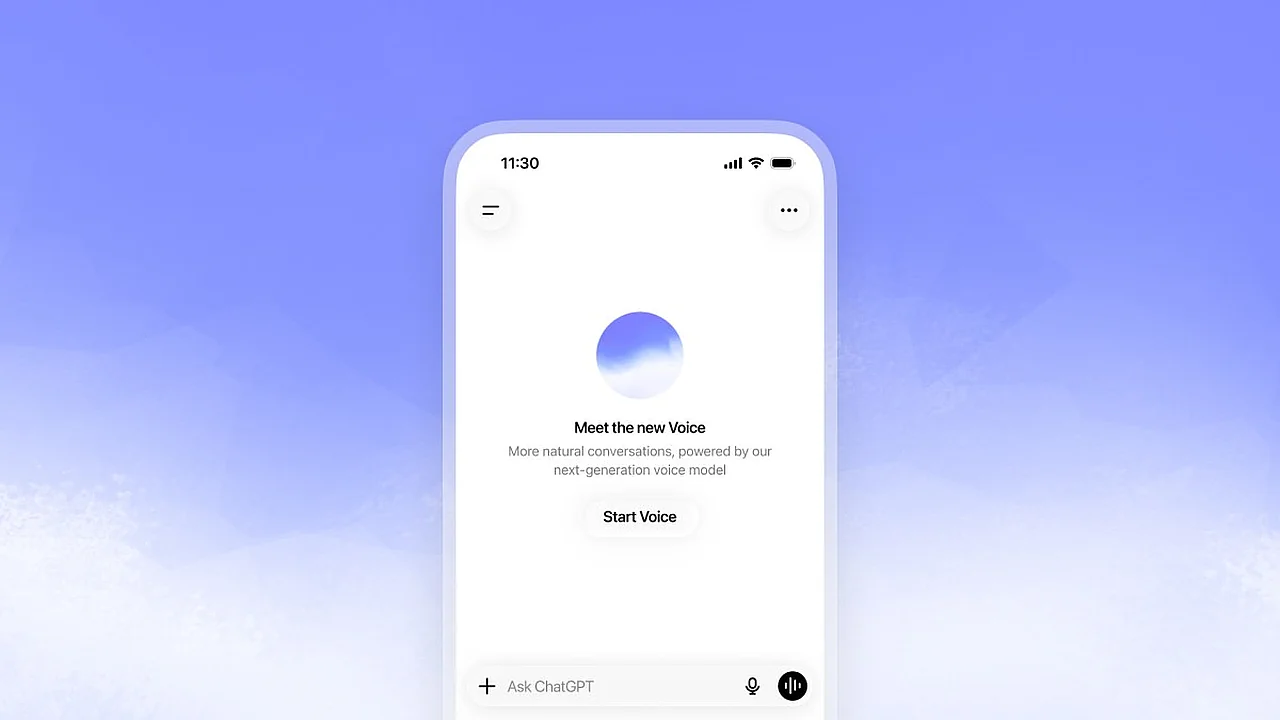
OpenAI, the world's leading organization in artificial intelligence technologies, has officially announced the GPT-Live-1 and GPT-Live-1 mini models, which take real-time user interaction to an entirely new level. This was reported by Zamin.uz.
The technology aims to bring the ChatGPT conversation experience as close as possible to natural human interaction. The new models not only respond faster but also truly understand the interlocutor's speech and adapt to their mood.
The key feature of the new generation of models is their bidirectional real-time processing system. This means the intelligent assistant can now both listen and speak simultaneously.
Whereas previous versions required the user to finish speaking entirely before responding, the new models allow for natural interruption and full use of live translation features. The company is directing the enhanced voice mode functionality of the ChatGPT app entirely toward this compact model.
Previously, voice interaction involved a complex three-stage process: first, speech was converted to text; then, the text-based model generated a response; finally, that response was converted back into speech.
The new models shorten this chain by processing information directly in voice form. This completely eliminates issues such as the system unnaturally pausing while the user speaks or failing to provide sufficiently logical answers to questions.
Moreover, the new voice mode, connected to the latest text models, can also accurately perform complex logical tasks. According to OpenAI representatives, the new system has the ability to remain silent for extended periods, absorb the conversation context, and only engage when necessary.
Additionally, the system can present visual information. This means users can not only chat with ChatGPT but also work with interactive visual materials using its assistance.
Such an approach is actively employed by modern startups to enhance user convenience. As leaders of voice interaction projects emphasize, in the future, the primary method of interacting with computers and various devices will be voice-based.
Specialists demonstrate through their own experience that this feature enables long, meaningful conversations. The company views the voice assistant not merely as a simple search tool, but as a core control interface for managing complex tasks.
Currently, over 150 million people worldwide use ChatGPT's voice and dictation features. In a highly competitive environment, major tech corporations are also seriously working to make their virtual assistants more natural.
OpenAI is now exploring not only software but also the potential to develop devices such as AI-powered specialized headphones for the future.